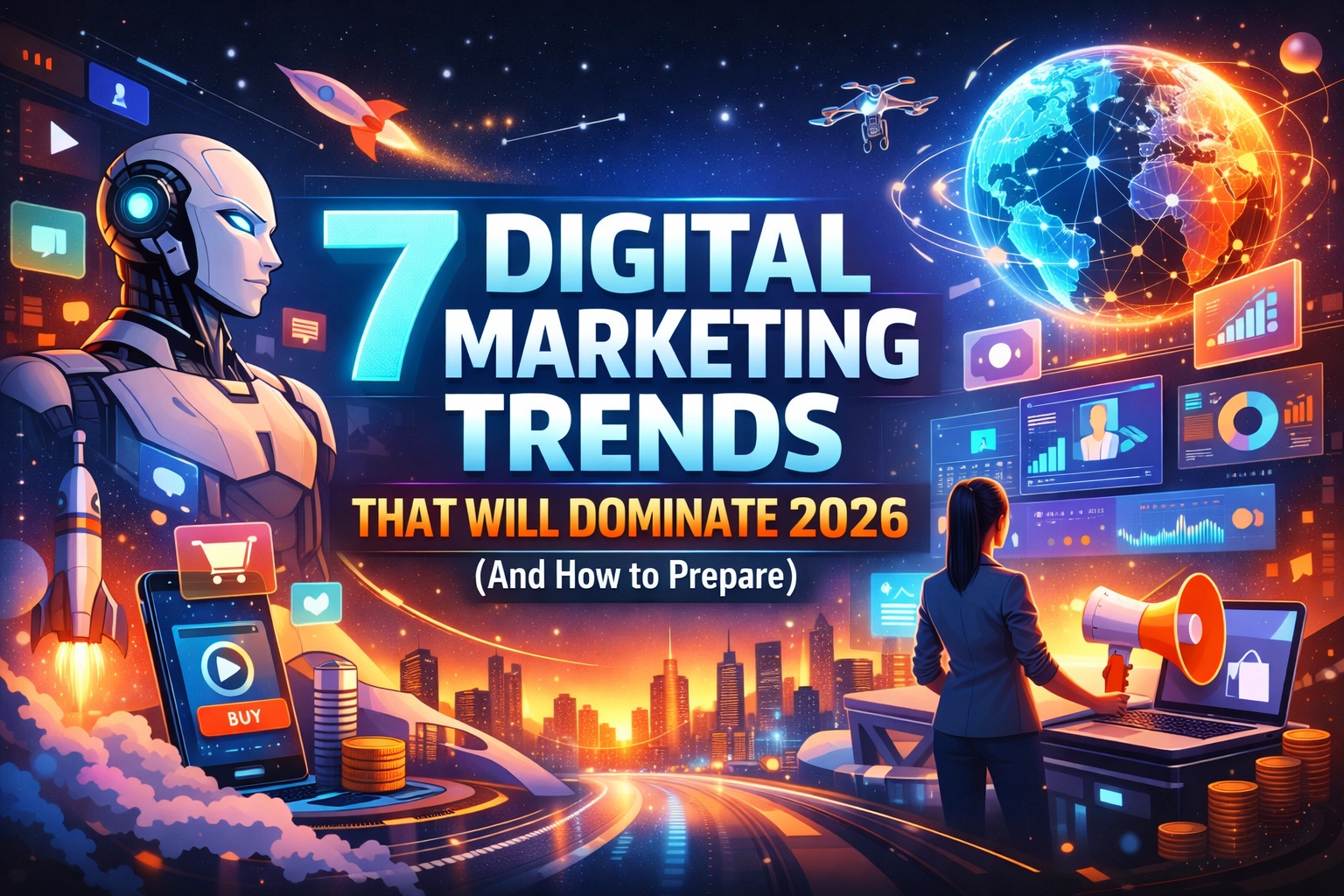
The digital marketing landscape of 2026 is no longer a world of "wait and see." We have moved past the experimental phase of artificial intelligence and spatial computing into a period of total integration. For brands, the stakes have shifted from optimizing for clicks to optimizing for "mentions" within neural networks and building trust in an era of deepfakes and data privacy.
As we navigate this year, the gap between companies using legacy 2023 strategies and those embracing the 2026 reality is widening into a chasm. To remain competitive, you need to understand how the underlying infrastructure of the internet: search, social, and data: has fundamentally evolved.
Here are the seven dominant digital marketing trends for 2026 and the technical blueprints you need to stay ahead.
1. Generative Engine Optimization (GEO): The Evolution of SEO
By mid-2026, traditional search engine results pages (SERPs) have been largely replaced or augmented by AI-driven answer engines. Whether it’s SearchGPT, Perplexity, or Google’s evolved Gemini-powered Search Generative Experience (SGE), users are no longer clicking through a list of blue links. They are receiving synthesized, multi-source answers.
The Technical Shift:
GEO is the practice of optimizing content so that LLMs (Large Language Models) accurately cite and recommend your brand. It’s less about keyword density and more about Brand Authority Proximity. AI models look for "consensus" across the web. If five high-authority sites and three major social platforms all categorize your product as the "best budget CRM for SaaS," the AI will reflect that in its generative response.
How to Prepare:
- Structured Data 2.0: Use advanced Schema.org markups specifically for AI agents. Focus on
speakableschemas and detailedOrganizationgraphs. - Citation Building: Instead of standard backlinks, focus on "Entity Association." Get mentioned in industry whitepapers, research studies, and high-authority newsletters that LLMs use as primary training data.
- The "Answer First" Format: Structure your blog posts with a clear, concise summary at the top that provides a direct answer to a likely query. This makes it easier for AI scrapers to "chunk" your data and credit your source.
2. Agentic AI and the End of Simple Chatbots
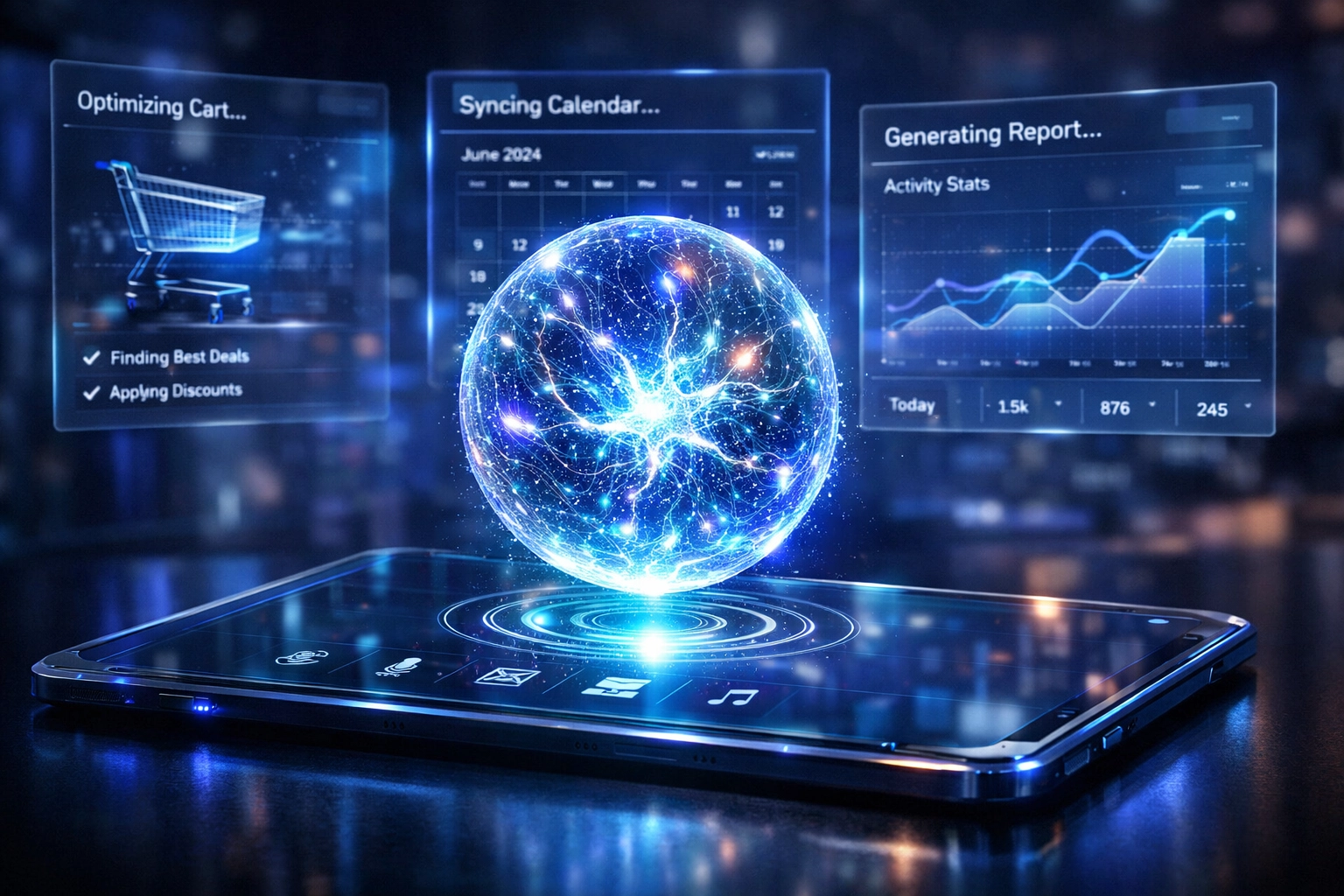
In 2024, we had chatbots that could answer questions. In 2026, we have Agentic AI. These are autonomous agents capable of performing multi-step tasks. An agent doesn't just tell a customer which shoes are in stock; it checks the user’s past purchase history, cross-references it with their calendar for an upcoming wedding, suggests a style, and handles the exchange of an old item.
The Technical Shift:
Marketing is moving from "broadcasting" to "utility." Brands are now building "Custom GPTs" or specialized agents that live within their apps and websites. These agents use Retrieval-Augmented Generation (RAG) to access private company data securely, providing hyper-accurate, brand-voice-compliant assistance.
How to Prepare:
- Develop Brand APIs: Ensure your product catalog and customer service documentation are accessible via API so that AI agents (both yours and the customer's) can interact with your business.
- Personalization at Scale: Use AI to analyze real-time intent. If a user is hovering over a "pricing" page, your agent should know their industry and current tech stack to offer a tailored discount or case study instantly.
3. Spatial Marketing and the "Phygital" Experience
With the widespread adoption of headsets like the Apple Vision Pro and Meta Quest 4, spatial computing has moved from a niche gaming hobby into a professional productivity tool. Marketing in 2026 involves "Spatial SEO": optimizing for 3D environments.
The Technical Shift:
Consumers are increasingly using Augmented Reality (AR) to "place" products in their homes before buying. This isn't just for furniture anymore. From fashion to industrial machinery, the 3D model is the new product photo.
How to Prepare:
- 3D Asset Libraries: Start converting your product line into high-quality USDZ and GLB files. These are the "JPEGs of the spatial web."
- Virtual Showrooms: Develop lightweight, browser-based AR experiences. High friction (like downloading an app) kills conversion. Ensure your AR try-ons work directly within the mobile browser or social media apps.
4. The Zero-Party Data Revolution (Life After Cookies)
The "Cookie-pocalypse" is finally complete. Third-party tracking is dead, and privacy regulations (GDPR, CCPA, and their global successors) have become significantly more stringent. In 2026, the most valuable asset a company owns is its First-Party and Zero-Party data.
The Technical Shift:
Zero-party data is information that a customer intentionally and proactively shares with you. This includes preference center data, purchase intentions, and personal context. The value exchange is the key here: customers will give you data, but only if you provide immediate, tangible value in return.
How to Prepare:
- Interactive Quizzes and Calculators: These are the ultimate zero-party data harvesters. A "Budget Planner" tool for a fintech app provides value to the user while giving the brand exact data on the user’s financial health.
- Privacy-First Analytics: Transition to server-side tracking (like GA4 server-side) to ensure data accuracy while respecting user consent and browser-level privacy blocks.
5. Community-Led Growth (CLG) and the "Dark Social" Effect
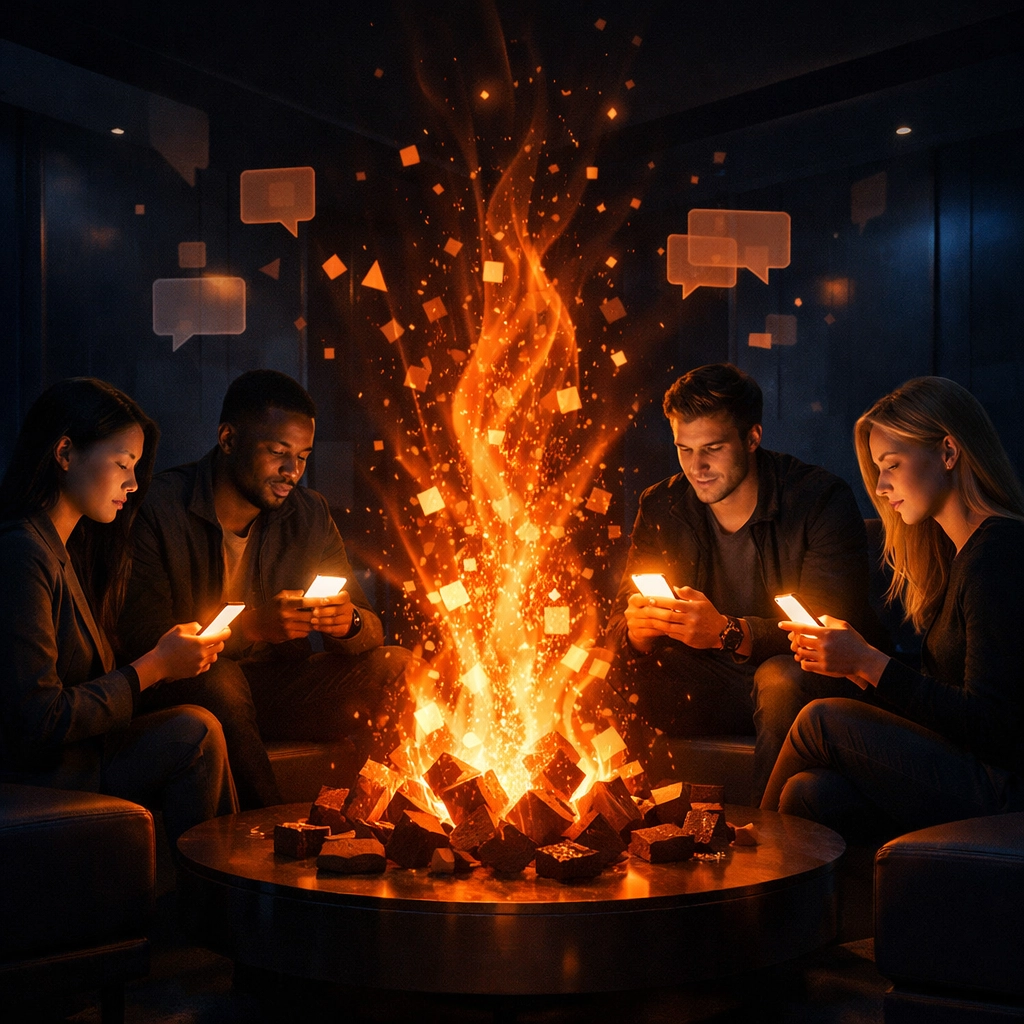
Traditional social media reach has hit a plateau. In response, 2026 is the year of "Dark Social": private communities on Discord, Slack, WhatsApp, and Substack. People are retreating from the "public square" of X (Twitter) or Facebook into smaller, curated "digital campfires."
The Technical Shift:
Engagement is moving away from public likes and toward private shares and deep-thread discussions. Tracking this is difficult, as most of this traffic shows up as "Direct" in your analytics.
How to Prepare:
- Owned Communities: Stop building your entire house on "rented land" (social media). Start a private community or a high-value newsletter where you own the relationship with the audience.
- Reddit and Discord Monitoring: Use AI-powered social listening tools to track brand mentions within these communities. Don't "market" to them; participate as a technical expert to build organic trust.
6. Short-Form Video SEO: TikTok, Shorts, and Reels
Video is no longer just "content"; it is a search engine. Gen Z and Gen Alpha use TikTok and YouTube Shorts as their primary search tools for reviews, tutorials, and lifestyle advice. In 2026, if your video isn't optimized for search, it doesn't exist.
The Technical Shift:
AI-driven video indexing now allows search engines to "watch" your video. They can transcribe the audio, identify objects in the frame, and understand the context without relying solely on your captions.
How to Prepare:
- Keyword-Rich Scripting: Use your primary keywords in the first 3 seconds of the video's audio. The automated transcription will flag this for the algorithm.
- In-Video Text Overlays: Use text on screen to highlight key points. This helps the AI vision models categorize your content accurately.
- Vertical-First Infrastructure: Your production pipeline should be "Vertical First." Attempting to crop horizontal 16:9 footage for 9:16 platforms results in lower engagement and "uncanny valley" visual quality.
7. Hyper-Personalization vs. Human Authenticity
As AI-generated content floods the internet, a massive "rebound effect" is occurring. Consumers in 2026 are developing a "BS detector" for overly polished, AI-written content. There is a premium on raw, human, and "imperfect" brand storytelling.
The Technical Shift:
The winning strategy is a hybrid: use AI for the "heavy lifting" (data analysis, segmentation, initial drafts) but use humans for the "final mile" (creative direction, emotional nuance, and ethical oversight).
How to Prepare:
- Show the "Behind the Scenes": Use "Lo-Fi" video content to show the real people behind your brand. Founders’ stories and employee-led content are outperforming high-budget commercials.
- Ethical AI Labels: Be transparent. If an image or a response was generated by AI, label it. Transparency is a massive trust-builder in 2026.
- Creator-Led Partnerships: Instead of hiring "influencers" for a one-off post, partner with "Creators" who are technical experts in your niche. Let them co-create the product, not just promote it.
Conclusion: The Path Forward
Digital marketing in 2026 is no longer about "gaming the system." The algorithms have become too smart for old-school SEO tricks, and the audience has become too savvy for generic advertising.
The successful brands of this year are those that treat AI as an efficiency tool while treating their audience as a community of individuals. Prepare by auditing your data privacy, investing in 3D assets, and, most importantly, shifting your SEO strategy from "ranking for keywords" to "owning the answer."
The future isn't coming; it’s already encoded into the algorithms. It’s time to adapt your infrastructure to match.
About the Author: Malibongwe Gcwabaza
Malibongwe Gcwabaza is the CEO of blog and youtube, a forward-thinking digital agency specializing in the intersection of AI and content strategy. With over a decade of experience in the tech sector, Malibongwe focuses on helping small to medium businesses navigate the complexities of modern digital ecosystems. His "simple yet deep" approach to marketing has helped dozens of brands transition from legacy advertising to high-ROI, AI-integrated growth models. When he's not theorizing about the future of GEO, he can be found exploring the latest in sustainable tech and remote-work culture.
About the Author


