In 2026, the intersection of high-performance professional life and metabolic health has never been more critical. Data from the Global Health Institute suggests that professionals who manage their glycemic variability through controlled meal preparation see a 22% increase in cognitive endurance during the second half of the workday. While the "hustle culture" of the previous decade prioritized speed over substance, the modern executive prioritizes nutrient density and bioavailability.
Meal prepping is no longer just about saving money; it is a technical strategy to mitigate the "decision fatigue" that leads to poor nutritional choices. By utilizing precision cooking methods: such as air frying, high-speed induction, and vacuum-sealed storage: it is possible to create 15 diverse, chef-quality meals in under 30 minutes of active prep time. This guide explores the logistical framework of the "30-Minute Prep System" and provides 15 data-backed recipes designed for maximum satiety and mental clarity.
The Technical Framework: Why 30 Minutes?
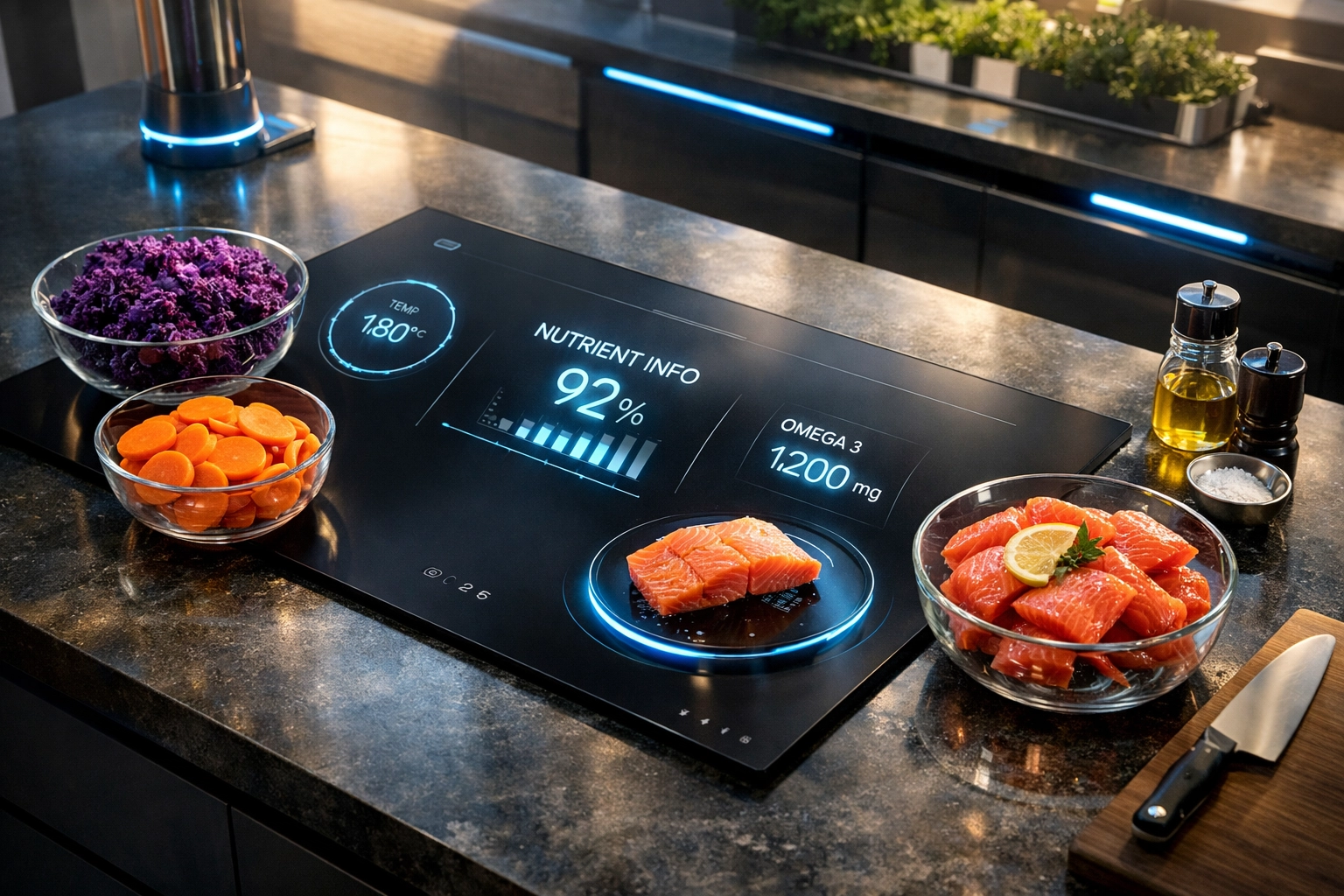
The 30-minute threshold is the "sweet spot" for maintaining nutritional integrity. Prolonged heat exposure (over-boiling or slow-roasting) can lead to the degradation of heat-sensitive vitamins like Vitamin C and B-complex. By utilizing high-efficiency appliances available in 2026, we focus on flash-cooking techniques that preserve enzymatic activity and flavor profiles.
1. Pesto Chicken Pita with Micro-Roasted Vegetables
This recipe focuses on the synergy between monounsaturated fats and lean protein. Pesto, when made with high-quality pine nuts and extra virgin olive oil, provides the polyphenols necessary for vascular health.
- The Tech: Use a high-speed convection oven to roast peppers and zucchini in 8 minutes.
- The Build: Whole-wheat pita, 150g grilled chicken breast, 2 tbsp basil pesto, roasted bell peppers.
- Why it works: The complex carbohydrates in the whole wheat provide a slow-release glucose stream, preventing the 3 PM energy crash.
2. Santa Fe Low-Carb Meal Prep Bowls
For professionals focused on ketogenic or low-carb protocols, this bowl utilizes cilantro-lime cauliflower rice as a base.
- The Data: Cauliflower contains sulforaphane, a compound linked to improved liver detoxification.
- The Build: Riced cauliflower, blackened chicken strips, Monterey Jack cheese, and charred poblano peppers.
- Execution: Sauté the cauliflower rice with lime juice and salt for 4 minutes to maintain a "firm" texture that survives reheating.
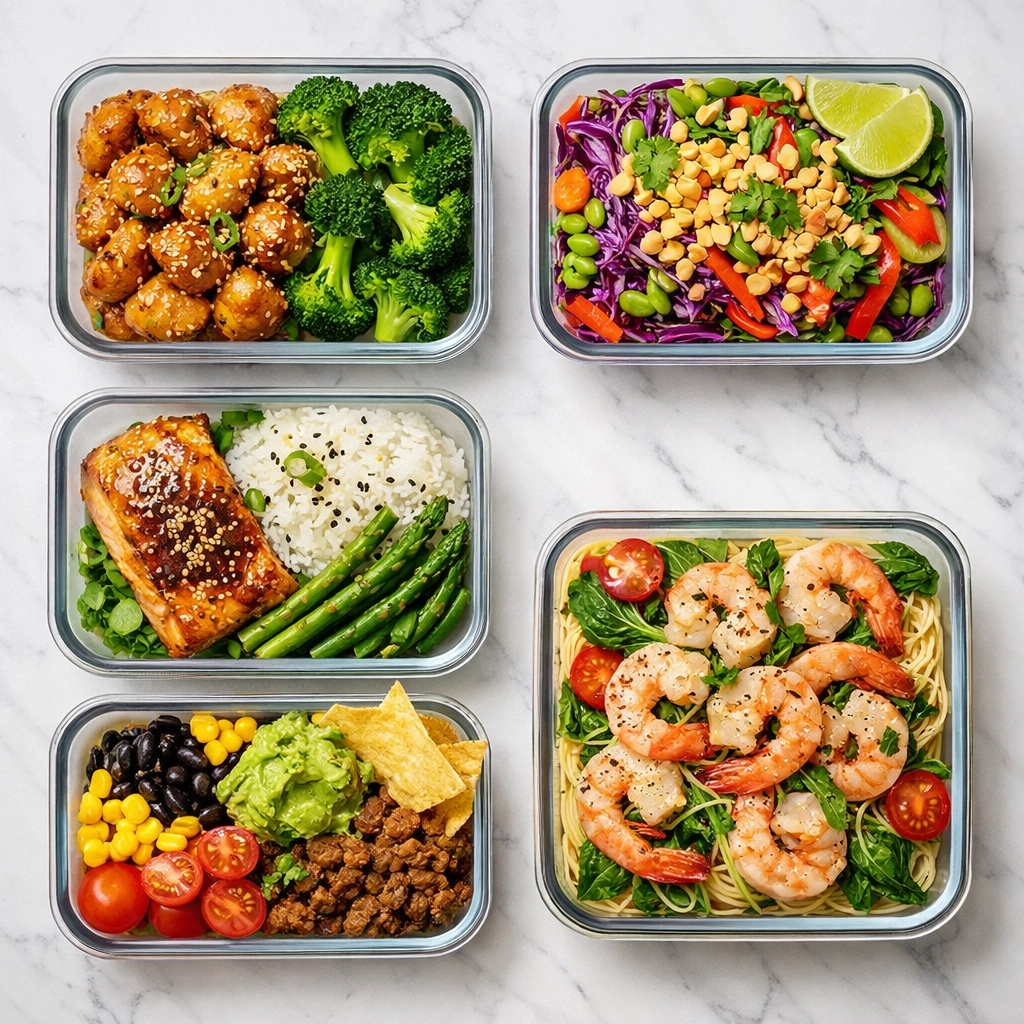
3. Thai Chicken Peanut Bowls
Peanut-based sauces offer a high satiety index due to the combination of fat and protein.
- The Build: Roasted chicken, snap peas, and shredded carrots over jasmine rice (or konjac noodles for lower calories).
- The Secret: A homemade peanut sauce using natural PB, tamari, and ginger.
- Tip: Store the sauce in a separate 1oz container to prevent the rice from becoming "mushy" by day four.
4. Honey Sesame Chicken Lunch Bowls
This is a strategic "brain fuel" meal. Broccoli and asparagus provide essential fiber, while the honey-sesame glaze offers just enough glucose to replenish glycogen stores after a morning workout.
- The Build: Chicken breast cubes, steamed broccoli florets, and a glaze made of raw honey, toasted sesame oil, and garlic.
- Timing: Cubing the chicken into 1-inch pieces reduces cooking time to exactly 6 minutes on a high-heat skillet.
5. Maple Ginger Cashew Chicken Stir-Fry
Cashews are an excellent source of magnesium, which is often depleted during high-stress periods.
- The Build: Cashews, chicken, snap peas, and a maple-ginger reduction.
- Technical Note: Add the cashews during the last 60 seconds of cooking to maintain their crunch and prevent the oxidation of their healthy fats.
6. Coconut Lime Chicken and Zucchini
This dish is designed for gut health. Coconut milk provides Medium-Chain Triglycerides (MCTs), which are absorbed directly by the liver for immediate energy.
- The Build: Sliced chicken, zucchini noodles (zoodles), and a coconut-lime broth.
- Prep: Use a spiralizer for the zucchini; it takes 2 minutes and offers a superior surface area for sauce absorption compared to traditional pasta.
7. Garlic Parmesan Chicken Pasta
When mental load is high, comfort food is often necessary. This version uses bow-tie pasta with a "cleaner" creamy sauce base made from pasta water and high-quality parmesan.
- The Build: 100% durum wheat pasta, roasted broccoli, and garlic-infused olive oil.
- Efficiency: Roast the broccoli while the pasta boils. The two components finish simultaneously at the 11-minute mark.
8. Skillet Cilantro Lime Fish Tacos
Seafood is the gold standard for Omega-3 fatty acids. Using a firm white fish like cod or tilapia allows for a fast sear without the fish falling apart in the meal prep container.
- The Build: White fish, corn tortillas, and a cabbage slaw.
- Pro-Tip: Squeeze fresh lime over the fish after reheating to reactivate the bright flavor notes.
9. Crispy Air Fryer Fish Tacos
Utilizing the 2026 generation of air fryers allows for a "fried" texture with 80% less oil.
- The Build: Breaded cod (using almond flour for a gluten-free, high-protein crust), cabbage slaw, and a Greek yogurt-based "crema."
- The Crunch Factor: Almond flour stays crispier than wheat flour when stored in a refrigerator.
10. Thai-Inspired Coconut Curry Shrimp
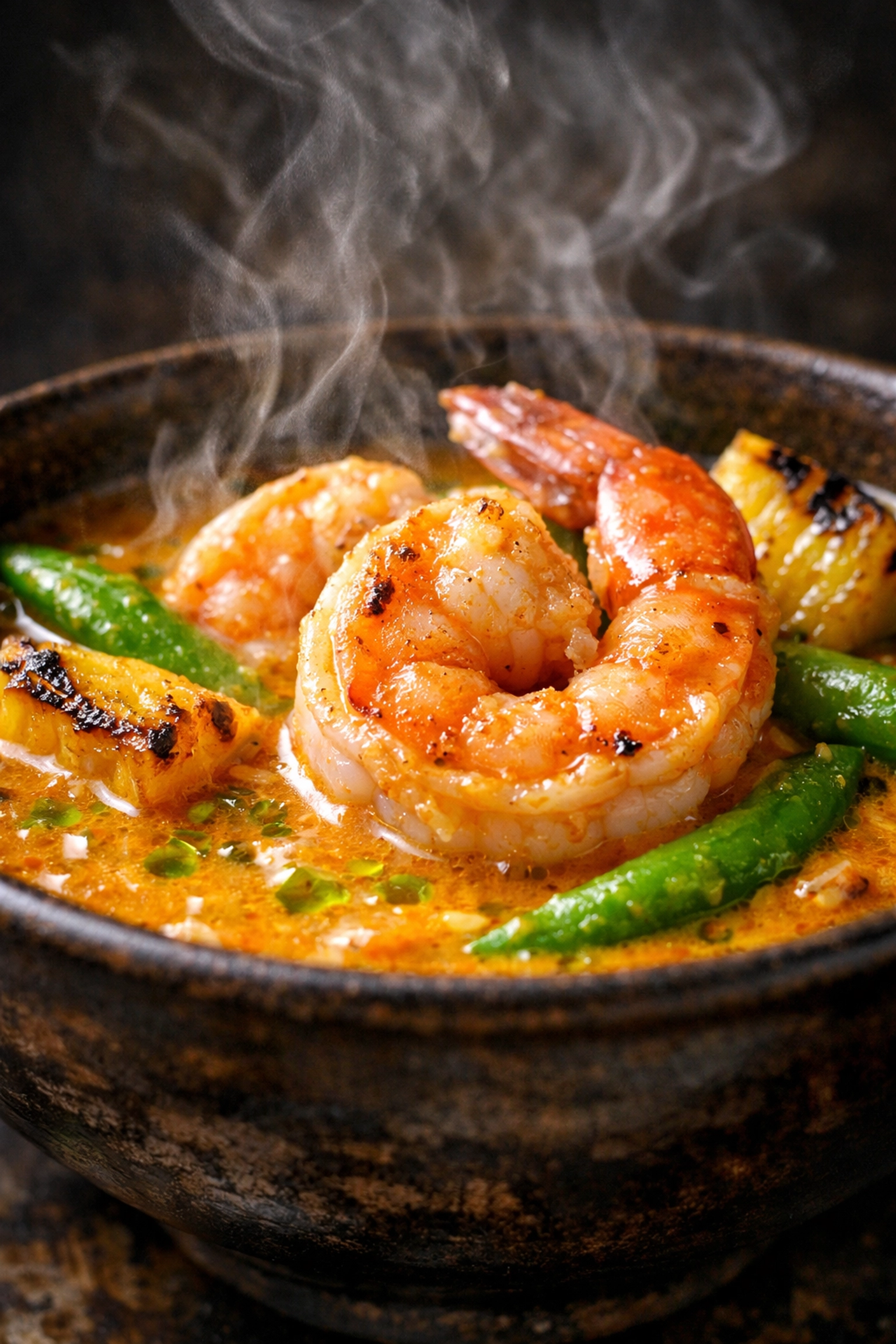
Shrimp is the ultimate "fast food" for professionals, cooking in under 3 minutes.
- The Build: Jumbo shrimp, red curry paste, coconut milk, and frozen pineapple chunks.
- Insight: The bromelain in pineapple aids in protein digestion, making this an excellent "heavy" lunch that won't leave you feeling bloated.
11. Turkey Taco Meal Prep Bowls
Ground turkey is significantly lower in saturated fat than beef while maintaining a high leucine content for muscle maintenance.
- The Build: Lean ground turkey, corn, pico de gallo, and brown rice.
- Stability: This meal is statistically the most stable for a 4-day fridge cycle, maintaining flavor and texture better than chicken breast.
12. Instant Rice Turkey Bowls
When 30 minutes feels like too much, instant brown rice (which has improved significantly in texture by 2026) is the solution.
- The Build: Ground turkey, black beans, bell peppers, and a dollop of Greek yogurt (as a sour cream substitute).
- Time Saver: Using pre-washed, pre-cut peppers saves 7 minutes of prep time.
13. One-Pot Beef and Broccoli Ramen
By using high-protein ramen noodles (made from soy or chickpea flour), you turn a traditionally "empty carb" meal into a muscle-building powerhouse.
- The Build: Shaved steak (cooks in 90 seconds), broccoli, and ginger-soy broth.
- Technique: Flash-sear the beef first, remove it, cook the noodles/veggies, then re-add the beef to prevent a "rubbery" texture.
14. Vegan Ginger Teriyaki Stir-Fry
For the plant-forward professional, edamame provides a complete amino acid profile.
- The Build: Shelled edamame, mixed stir-fry vegetables, and a low-sodium teriyaki glaze.
- Nutritional Density: This bowl contains approximately 12g of fiber, covering 40% of the recommended daily intake in one sitting.
15. Vegan Moroccan Chickpea Skillet
Chickpeas are a "slow-carb" legend. Their high fiber content leads to a very low insulin response.
- The Build: Chickpeas, sweet potato cubes (par-boiled for speed), and Ras el Hanout seasoning.
- Freezer Friendly: This is the only recipe on the list that can be frozen and thawed without any loss in structural integrity.
Optimizing Your 2026 Kitchen Workflow
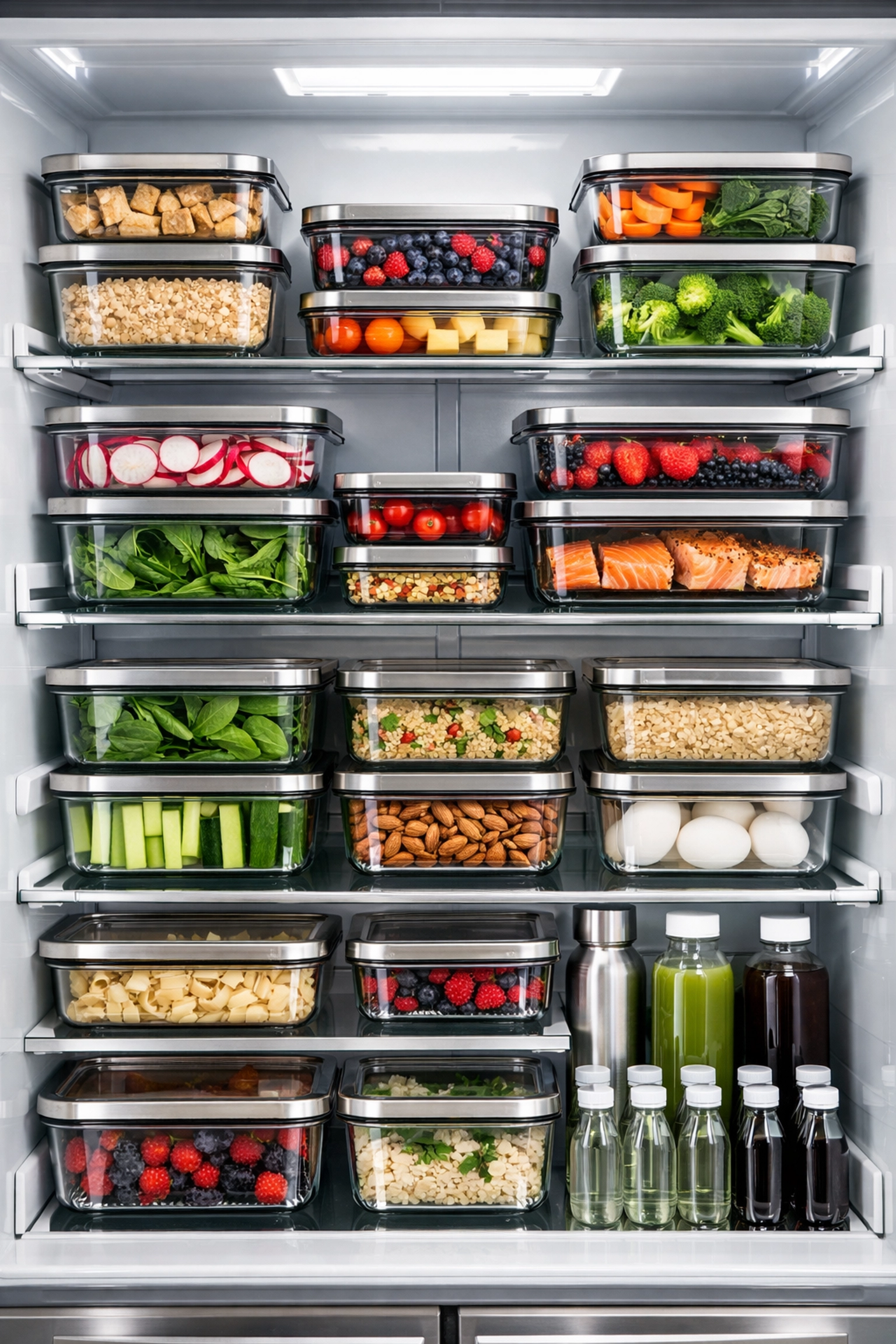
To achieve these results in 30 minutes, your kitchen architecture must be optimized. In 2026, we see a shift toward "Mise en Place" automation.
- The Assembly Line Method: Do not cook recipe by recipe. If four recipes require chopped onions, chop them all at once. If three recipes require grilled chicken, cook the entire batch of chicken on one large sheet pan or a double-burner griddle.
- Modular Storage: Use glass containers with vacuum-seal lids. Studies show that removing oxygen from the storage environment can extend the "fresh taste" of meal-prepped poultry by up to 48 hours.
- The "Power Hour" vs. "Daily Prep": While these recipes take 30 minutes, professionals often find success in the "2×30" method: 30 minutes on Sunday for the base proteins/grains, and 5 minutes each evening for final assembly.
Bio-Optimization and Nutrient Retention
When reheating your meals in a corporate environment, the method matters. If your office has a steam-injection microwave (standard in 2026), use it. Steam reheating prevents the "reheated meat flavor" (RMF) caused by lipid oxidation. If using a standard microwave, always add a teaspoon of water and cover the dish to create a localized steam environment.
From a data perspective, the goal of these 15 recipes is to maintain a consistent blood-ketone level or a stable blood-glucose curve. By avoiding high-fructose corn syrup and processed seed oils: and replacing them with the avocado oils, coconut milks, and fresh aromatics listed above: you are essentially "upgrading" your biological hardware for the work week.
About the Author: Malibongwe Gcwabaza
Malibongwe Gcwabaza is the CEO of blog and youtube, a leading digital media firm specializing in the intersection of technology, productivity, and modern lifestyle. With a background in strategic operations, Malibongwe has spent the last decade refining systems that help high-level executives maintain peak physical and mental performance. He is a staunch advocate for "Bio-Hacking through Basics," believing that the foundation of all professional success is a well-fueled body. When he isn't overseeing content strategy, he is experimenting with precision nutrition and the latest in smart-kitchen automation.
About the Author


