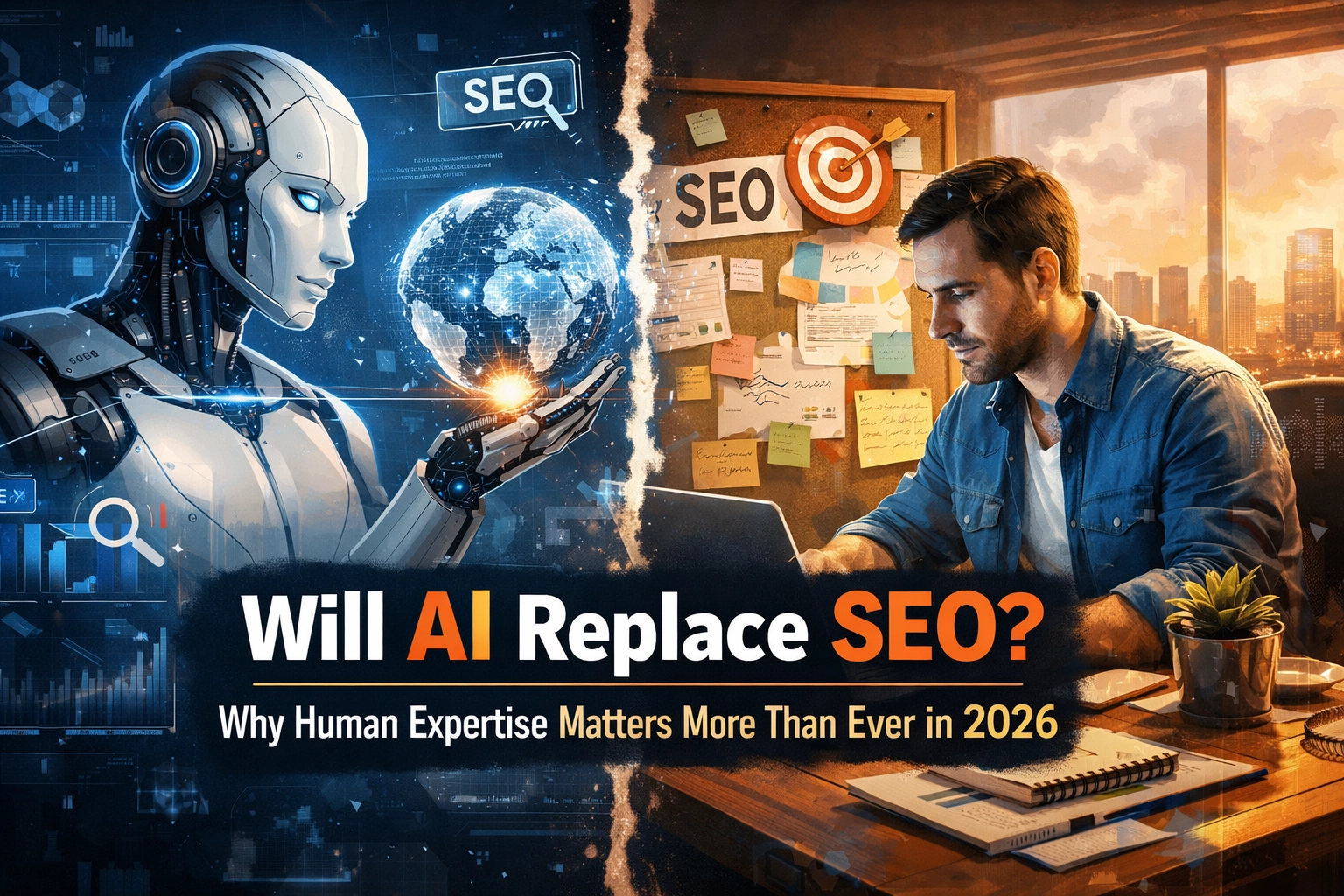
By March 2026, the conversation around Search Engine Optimization (SEO) has shifted from "Will AI kill search?" to "How do we dominate the Generative Engine landscape?" We are no longer living in a world of blue links and simple keyword matching. Google’s Search Generative Experience (SGE) is now the standard, and AI agents like Perplexity and OpenAI's Search are siphoning off a significant portion of informational queries.
However, the panic that AI would replace the SEO professional has proven to be unfounded. Instead, the bar for "quality" has been raised to a level that machines simply cannot reach alone. While AI can process data and synthesize existing information at a scale humans can't touch, it lacks the one thing that drives high-value conversions: original human experience.
The Great Decoupling: Automation vs. Strategy
In 2026, we see a clear decoupling of SEO tasks. Technical SEO, once the domain of manual audits and grueling spreadsheet work, has been largely automated. AI bots now identify crawl errors, suggest canonical fixes, and even write basic Schema markup in real-time.
If you are an SEO whose value proposition is "I can find broken links," then yes, AI has replaced you. But for the strategic SEO, AI is the ultimate leverage.
Human expertise is now focused on Strategic Interpretation. An AI can tell you that your rankings for "enterprise cloud security" dropped by 15%. A human expert understands that the drop coincided with a competitor’s rebranding or a shift in the regulatory environment that makes the competitor’s "sovereign cloud" feature more attractive. AI sees the data; humans see the context.
Why "Information Gain" is the Most Important Metric in 2026
Google’s 2024 and 2025 core updates leaned heavily into a concept called Information Gain. In a world where AI can generate a 2,000-word article on "How to Start a Business" in seconds, the internet is flooded with "average" content. This "sea of sameness" is an LLM’s biggest weakness.
AI models are trained on existing data. They are, by definition, derivative. They can only tell you what has already been said.
Human expertise matters more than ever because Google now prioritizes content that provides new information that wasn't previously in the index. This includes:
- Unique Case Studies: Data from your own business operations.
- First-Person Reviews: "I used this tool for 30 days and here is what happened," rather than "This tool has 4.5 stars."
- Contrarian Opinions: Challenging the industry status quo based on professional observation.
If your content doesn't provide information gain, it will be ignored by both the users and the generative engines that summarize the web.
The Evolution of E-E-A-T: Experience is the Key
The "E" for Experience in Google's E-E-A-T (Experience, Expertise, Authoritativeness, Trustworthiness) guidelines is the final fortress for human creators.
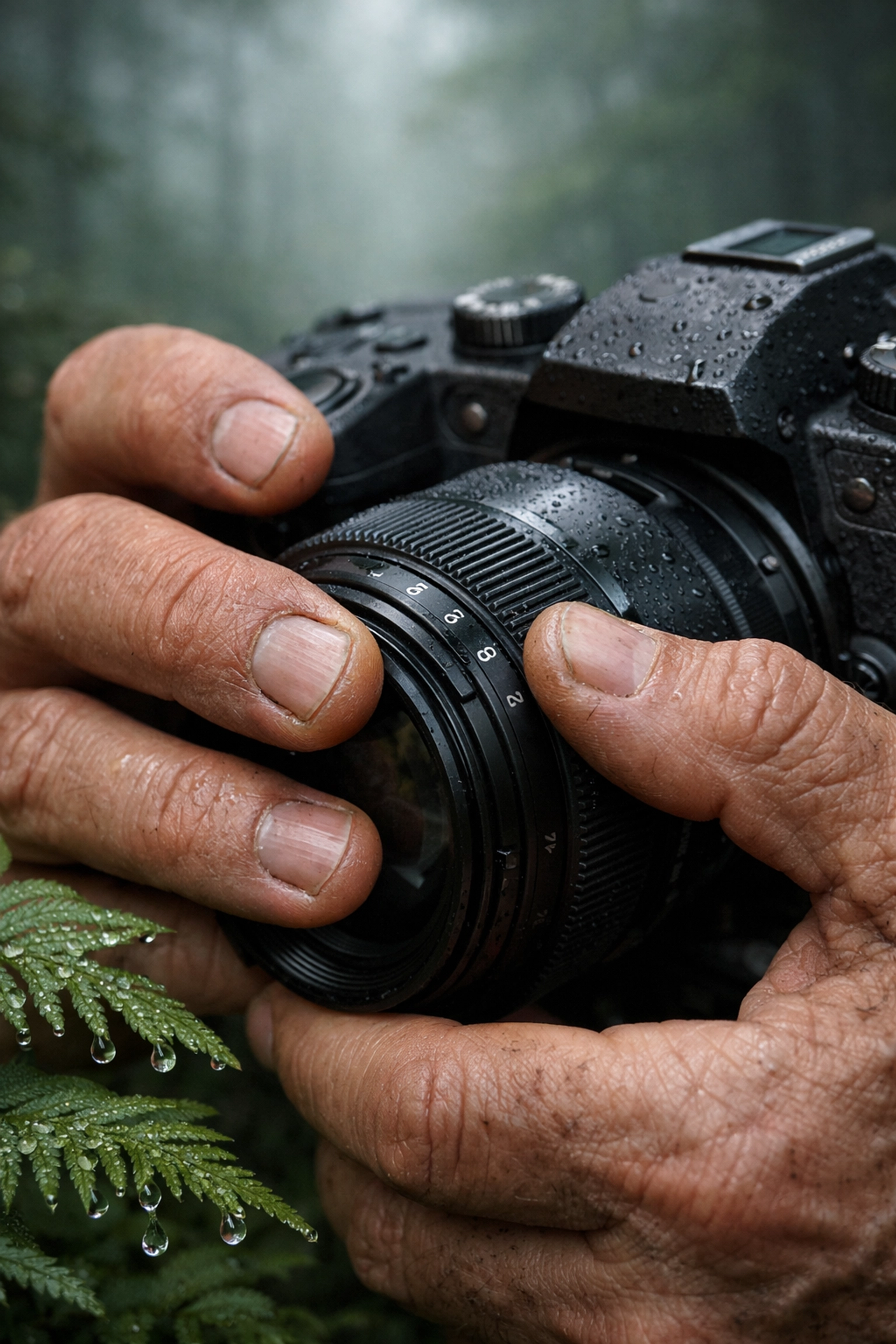
AI can simulate "Expertise" by synthesizing textbooks. It can mimic "Authoritativeness" by citing sources. But it cannot have "Experience." It cannot feel the weight of a camera in its hand, it cannot navigate a difficult HR mediation, and it cannot experience the specific cultural nuances of a South African startup ecosystem.
In 2026, search engines have become incredibly sophisticated at detecting "synthetic" experience. They look for:
- Original Imagery and Video: Not stock photos or AI-generated visuals, but real photos of real people doing real things.
- Specific Nuance: Mentioning small, granular details that only someone who has actually done the work would know.
- Author Verification: A history of the author's contributions across the web, verified via decentralized identity protocols or robust social proof.
Technical SEO 2.0: Optimizing for LLMs and Vector Search
While human strategy is the heart of SEO in 2026, the technical requirements have become more complex. We are no longer just optimizing for Googlebot; we are optimizing for Large Language Model (LLM) crawlers and vector databases.
1. The Shift to Semantic Entities
Traditional keyword research is dead. In its place is Entity-Based SEO. AI search engines look at the relationship between entities. If your website is about "Coffee Roasting," the AI expects to see strong semantic links to "Maillard reaction," "Altitude," "Single-origin," and specific roasting profiles. A human expert must map these entities to ensure the site’s Knowledge Graph is impenetrable.
2. Schema Markup as a Data Feed
Structured data (Schema) has moved from being a "nice to have" to being the primary way we talk to AI. In 2026, we use Advanced Schema to feed AI engines specific facts about our products, services, and experts. This isn't just about Rich Snippets; it’s about providing the "ground truth" that AI uses to generate its summaries.
3. API-First Discovery
With the rise of "Agentic AI" (AI that performs tasks), SEO now involves making your data accessible via APIs. If a user asks their AI agent to "book the best-rated plumber in Cape Town," the agent isn't browsing a website; it’s querying a database. Human SEOs are now architects of these data connections.
The "Human-in-the-Loop" Content Workflow
To survive in 2026, your content production must follow a "Human-in-the-Loop" (HITL) model. Using AI to write an entire article and publishing it is a recipe for a manual penalty or, worse, total invisibility.
The 2026 Workflow:
- AI Phase: Researching broad trends, clustering keywords, generating initial outlines, and checking for grammatical errors.
- Human Phase: Injecting personal anecdotes, conducting original interviews, performing data analysis on internal metrics, and ensuring the brand voice is consistent.
- The "Vibe Check": Humans must review the content for empathy and emotional intelligence: areas where AI still feels "uncanny."
Consider a high-stakes niche like Finance or Healthcare (YMYL – Your Money Your Life). A human reader in 2026 is hyper-aware of AI. If they sense they are getting medical advice from a bot without a human doctor’s oversight, trust evaporates instantly. Human expertise is the "trust anchor" that keeps the audience engaged.
Why Branding is the New SEO
In the age of AI search, Brand is the ultimate SEO strategy. When an AI summarizes a topic, it cites sources. If your brand is the recognized authority, the AI will mention you.
We are seeing a trend where users append "Reddit" or specific brand names to their searches because they don't trust the general results. They want to hear from people they trust.
- SEO Goal 2020: Rank #1 for "Digital Marketing."
- SEO Goal 2026: Be the brand the user specifically asks the AI about ("What does Malibongwe say about the latest SEO update?").
Human expertise builds brands. AI builds content. There is a massive difference between the two.

Case Study: The Failure of the AI-Only Content Farm
In late 2025, a major travel blog transitioned to a 100% AI-generated content model. They published 5,000 articles in three months. Initially, their traffic spiked. However, within six months, their "Information Gain" score plummeted. Users stayed on the page for an average of 12 seconds because the content felt repetitive and lacked "local soul."
Google’s "SpamBrain" AI identified the pattern of synthetic content and de-indexed 80% of the site. Meanwhile, a smaller competitor who published only one deep-dive, human-led, video-integrated article per week saw their traffic grow by 300%. Why? Because the AI search engines kept using that one high-quality article as the primary source for their summaries.
The Future: The SEO Strategist as a Prompt Engineer and Visionary
The role of the SEO has transformed. You are no longer a "webmaster." You are a Visibility Strategist.
You must master Prompt Engineering to use AI tools effectively, but you must also be a psychologist who understands what a human user is looking for when they type a query. You must be a data scientist who can interpret the "black box" of AI algorithms and a PR specialist who knows how to build a brand’s authority.
Human expertise matters more because the "easy" work is gone. What remains is the hard work: building relationships, creating original value, and navigating the ethical implications of AI.
Conclusion: Adapting to the New Reality
AI will not replace SEO, but SEOs who use AI will replace those who don't. The future of search is a collaborative effort between the efficiency of machines and the creativity, ethics, and experience of humans.
To stay ahead in 2026:
- Stop chasing keywords; start building entities.
- Focus on Information Gain. If you don't have something new to say, don't say it.
- Double down on E-E-A-T. Show your face, share your story, and prove your experience.
- Use AI to scale your chores, not your soul.
Search is evolving, but the core human desire for trustworthy, expert information remains unchanged. As long as humans have problems to solve, they will look for experts to help them. AI is just the new medium through which that help is delivered.
About the Author: Malibongwe Gcwabaza
Malibongwe Gcwabaza is the CEO of blog and youtube, a leading digital strategy firm specializing in the intersection of AI and content marketing. With over a decade of experience in the evolving search landscape, Malibongwe helps brands navigate the complexities of modern SEO with a "human-first" philosophy. He is a frequent speaker on the ethics of AI and a passionate advocate for digital transparency in the South African tech space.
About the Author


