By 2026, the line between "search engine" and "video platform" has essentially vanished. If you’re still treating YouTube and Google as two separate islands, you’re leaving about 70% of your potential traffic on the table. We’ve moved far beyond the era of keyword stuffing in descriptions. Today, the algorithms don't just read your metadata; they "watch" and "listen" to your content using advanced multimodal AI to determine relevance, authority, and viewer satisfaction.
Dominating the search results this year requires a shift from "optimizing for bots" to "architecting for intent." Here is the technical breakdown of how to win the video SEO game in 2026.
The Foundation: Topic Clusters and Authority Architecture
The biggest mistake creators make is treating every video as a standalone project. In 2026, Google’s Search Generative Experience (SGE) and YouTube’s recommendation engine prioritize Topic Authority. They want to see that you aren't just a one-hit-wonder, but a comprehensive resource on a specific subject.
The Pillar-and-Cluster Model
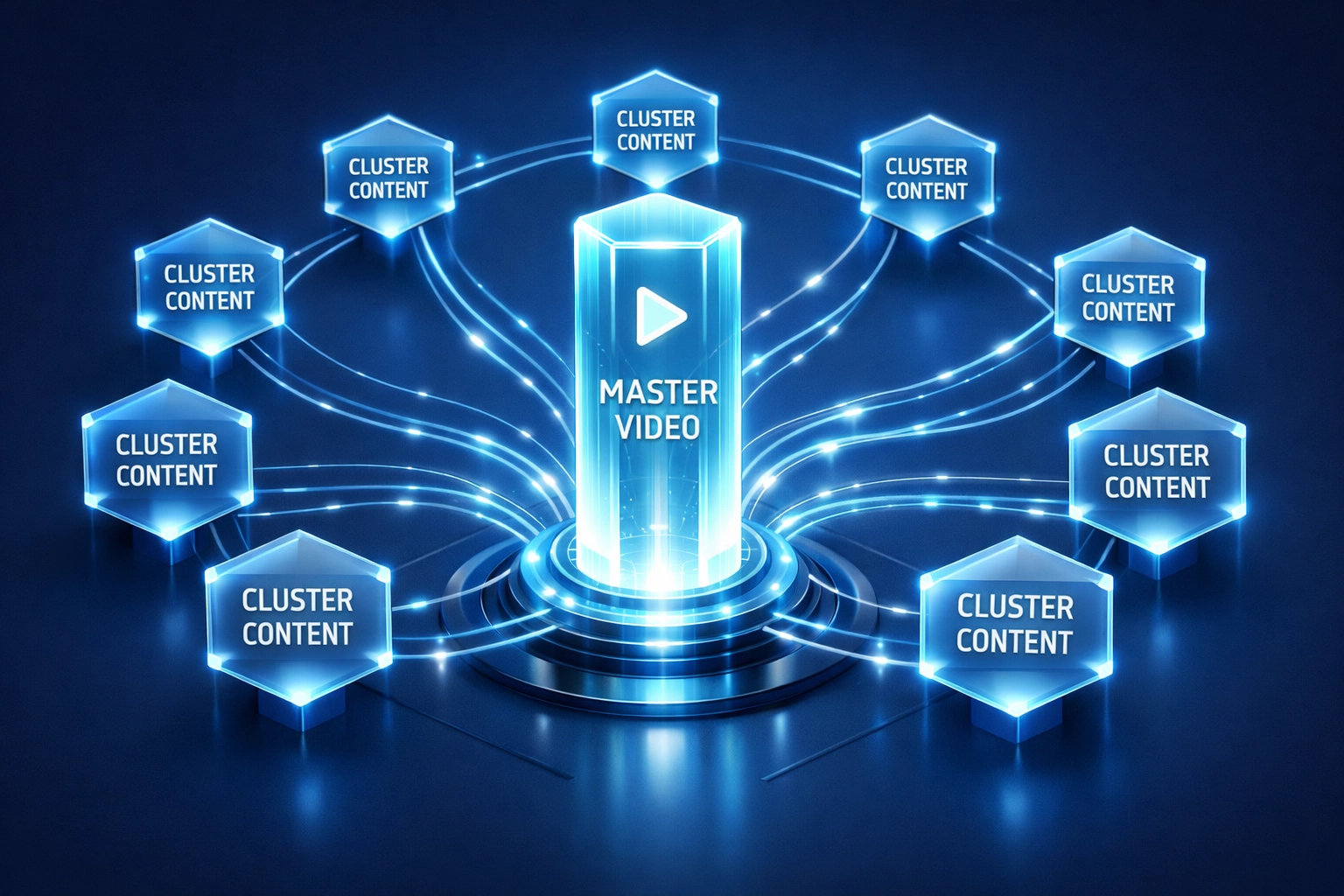
Instead of chasing random trending keywords, you should build a "Topic Cluster."
- The Pillar Video: This is a comprehensive, 20–30 minute "masterclass" style video covering a broad, high-volume keyword (e.g., "The Complete Guide to Python for Data Science").
- Supporting Clusters: Create 8 to 12 shorter videos (5–10 minutes) that dive deep into specific sub-topics mentioned in the pillar (e.g., "Best Python Libraries for Data Cleaning," "How to Use Pandas for Beginners").
When you link these together using YouTube’s end screens, descriptions, and pinned comments, you create a "closed loop" of watch time. Data shows that channels using a structured cluster approach see a 300-500% increase in total session watch time compared to those posting sporadic topics. This signals to the algorithm that your channel is the definitive source, boosting your rankings across the entire cluster.
Technical Metadata: Moving Beyond Keywords
While YouTube’s AI can now transcribe and analyze your video's visual content in real-time, metadata still acts as the "map" that tells the algorithm where to categorize you.
Semantic Title Strategy
In 2026, only about 6% of top-ranking videos use exact-match keywords in the title. Why? Because the algorithm understands context. Your title should focus on Click-Through Rate (CTR) and Curiosity rather than just SEO.
- Old way: "Best DSLR Cameras 2026"
- 2026 way: "I Tested 10 Cameras: Only 2 Are Worth Your Money in 2026"
The second title triggers a psychological curiosity gap while the algorithm identifies the "DSLR Camera" context from your audio and visual cues.
Video Chapters and Google’s "Key Moments"
Video chapters are no longer optional. Google now uses these timestamps to create "Key Moments" in search results, allowing users to jump directly to the answer they need. If your video is the only one in your niche with a chapter titled "Step-by-Step Setup Guide," Google is significantly more likely to feature that specific clip as a "featured snippet" at the top of the search page.
The Biometrics of a Thumbnail: Designing for the Human Eye
Thumbnail design has become a literal science. In a feed full of high-quality AI-generated imagery, "authenticity" and "clarity" are the winning traits.
- The "Face" Factor: Thumbnails featuring human faces with clear, high-contrast emotional expressions (surprise, focus, concern) see a 40% higher CTR. Ensure the eyes are looking directly at the "camera" to build an immediate connection.
- The Rule of Three: Limit your thumbnail text to three words or less. Use bold, sans-serif fonts that are legible on a mobile screen at 10% brightness.
- Color Theory: Use contrasting colors against YouTube’s white/dark mode interface. High-saturation oranges and teals tend to outperform standard reds and blues in 2026.

Engagement Signals: The "Satisfaction Score"
YouTube has moved away from "views" as the primary metric. The new king is the Satisfaction Score, which is a composite of:
- Retention Rate: How long people stay.
- Swipe Away Rate: (For Shorts) How many people skip immediately.
- Return Viewers: How many people come back for more.
- Sentiment Analysis: The "tone" of your comments.
The First 15 Seconds (The "Hook")
You have exactly 15 seconds to prove your value in long-form video. In 2026, the most effective hooks are "The Result First" hooks. Show the finished project, the final data point, or the "after" shot in the first 5 seconds, then explain that you’ll show them how to get there.
Pinned Comments and Community Loops
Engagement isn't just about getting likes; it's about starting conversations.
- The Strategy: Post a pinned comment within the first hour of uploading that asks a specific, polarizing question related to the video.
- The Result: This can increase comment volume by 3x. More importantly, replying to the first 20-30 comments within the first 24 hours creates a "velocity spike" that tells the algorithm the video is currently relevant, pushing it to more "Browse" features.
YouTube Shorts: The Discovery Engine
In 2026, Shorts are the "front door" to your channel. The strategy has shifted from "reposting long-form clips" to "Original Short-Form Storytelling."
- The 0.5-Second Hook: Unlike long-form, you don't have 15 seconds. You have half a second. Your first frame must be visually arresting or contain a text overlay that demands attention.
- Trending Audio vs. Original Audio: While trending audio helps with the initial push, original audio that gets "remixed" by others is the ultimate SEO goldmine. If your audio becomes a template, every subsequent video using it acts as a backlink to your original post.
- The Bridge Strategy: Always use the "Related Video" link feature in Shorts to drive traffic to your long-form pillar videos. This "Shorts-to-Long" pipeline is the most efficient way to build a loyal subscriber base quickly.
Technical Video SEO: Schema and Transcripts
For those looking for a competitive edge in Google Search (outside of the YouTube app), technical implementation is key.
VideoObject Schema Markup
If you are embedding your videos on your blog or website, you must use VideoObject Schema. This tells Google’s crawlers exactly what the video is about, the duration, the thumbnail URL, and the upload date. Websites that properly implement Schema see their videos appear in the "Video" tab and the "Main Results" carousel significantly more often than those that don't.
Clean Transcripts
Don't rely on YouTube's auto-generated captions. They are often riddled with errors that can confuse search crawlers. Upload a clean, manual SRT file. Not only does this improve accessibility, but it provides a "textual map" for Google to index every word spoken in your video, making you searchable for long-tail queries you didn't even put in your title.
Cross-Platform Amplification (The 2026 Way)
A video shouldn't live only on YouTube. To dominate search, you need signals from across the web.
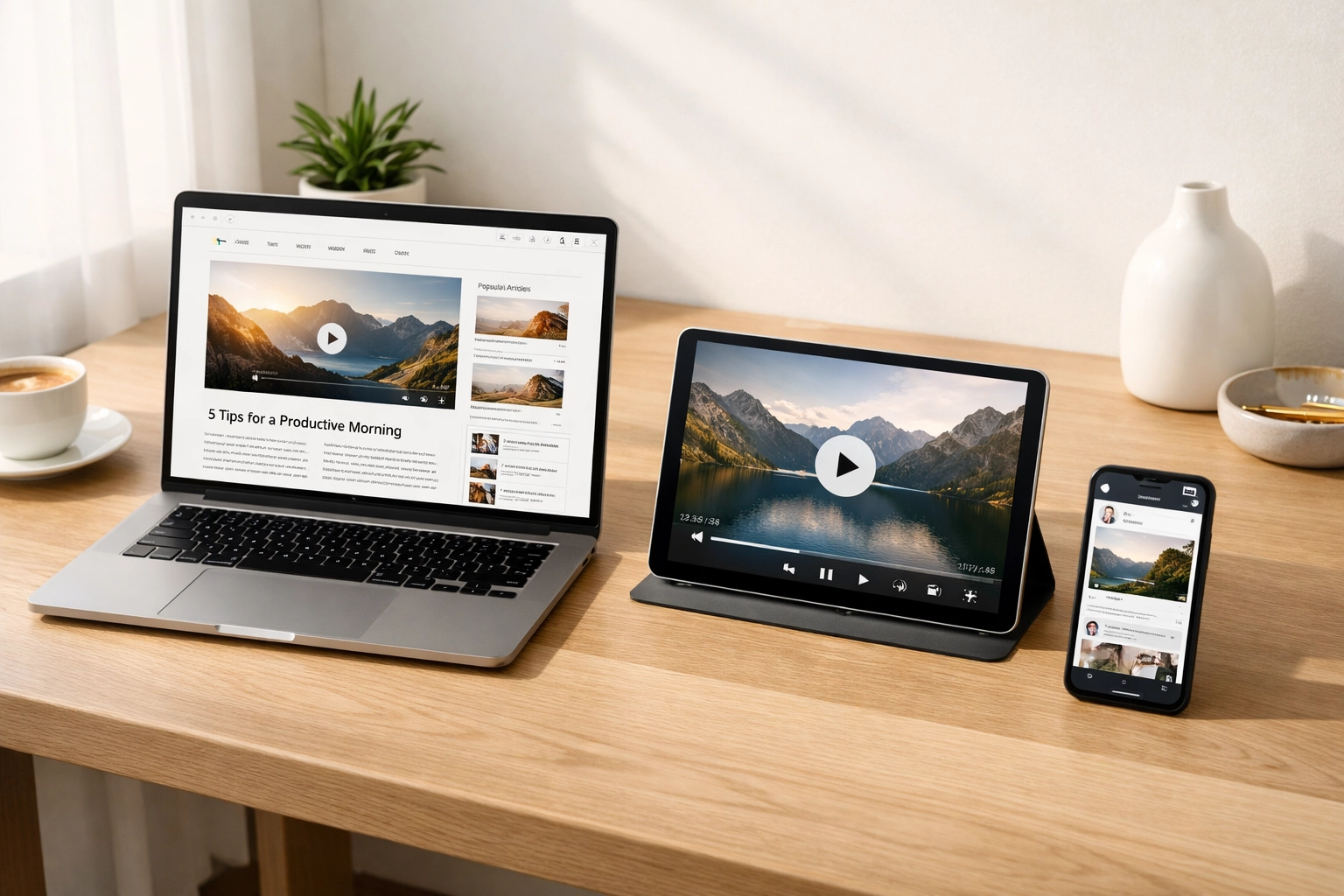
- The "Blog Bridge": Write a high-quality blog post (like this one!) around your video topic. Embed the video at the top. This increases "Dwell Time" on your website and "Watch Time" on your YouTube channel: a win-win for both SEO profiles.
- Email Teasers: Send your newsletter subscribers a GIF of a key moment from the video rather than a static image. This increases click-through rates to the video by up to 30%.
- Social Snippets: Create "micro-trailers" for LinkedIn, X (Twitter), and Instagram that solve a small problem and point to the YouTube video for the "full solution."
Conclusion: The Long Game
Video SEO in 2026 is less about "tricking" an algorithm and more about "serving" a viewer. The technical bits: the Schema, the clusters, the semantic titles: are all designed to help the AI understand that your content is the most satisfying answer to a user's query.
Focus on your Pillar-and-Cluster architecture, nail your First 15 seconds, and treat your Thumbnails like high-stakes advertising. If you provide consistent, high-value answers to the questions your audience is asking, the algorithms will have no choice but to put you at the top.
About the Author: Malibongwe Gcwabaza
Malibongwe Gcwabaza is the CEO of blog and youtube, a leading digital strategy firm specializing in content architecture and search engine dominance. With over a decade of experience in the evolving landscape of digital media, Malibongwe has helped hundreds of brands transition from traditional marketing to data-driven, video-first growth strategies. He is a frequent speaker at tech conferences on the intersection of AI and creator economy, focusing on how simple, clear communication can scale complex businesses. When he isn't dissecting algorithm updates, he's mentoring the next generation of African digital entrepreneurs.
About the Author


