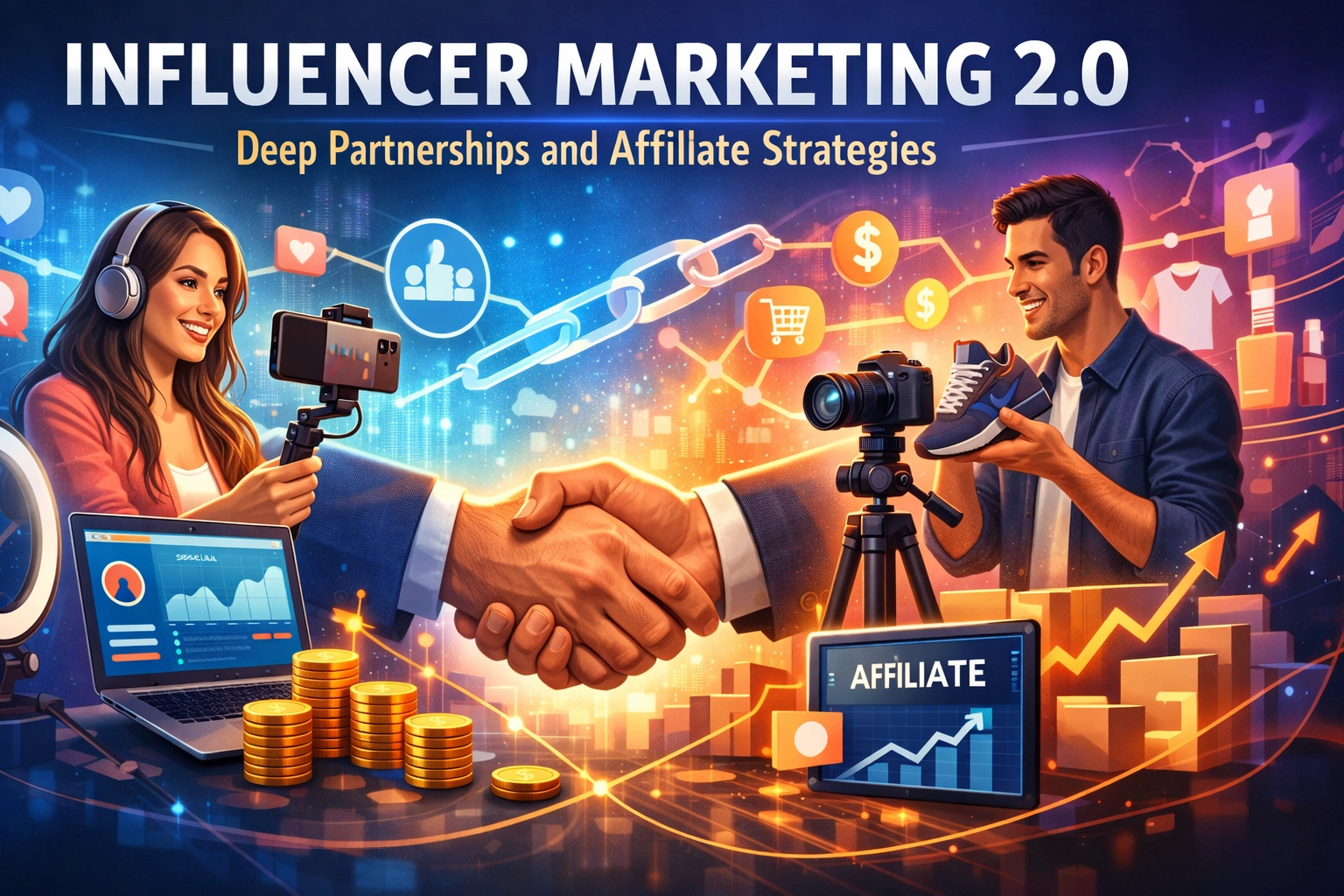
The era of the "paid shoutout" is officially dead. If you’re still approaching influencer marketing by sending a product to a creator and asking for a single Instagram Story with a discount code, you’re basically burning money in 2026.
The landscape has shifted from transactional clicks to deep, integrated partnerships. Consumers have developed a "filter" for traditional ads, and even for traditional influencer content. They don't want to be sold to; they want to be part of a movement led by people they actually trust. In this guide, we’re going to look at why nano-influencers are dominating the ROI charts, how to turn creators into legitimate brand partners, and the technical side of tracking every cent of your marketing spend.
The Death of the Transactional Post
Back in 2021, you could get away with a "link in bio" strategy. Today, social algorithms and AI-driven feeds (like TikTok’s 2026 iteration and Meta’s unified discovery engine) prioritize engagement depth over raw reach. A one-off post by a celebrity influencer might get millions of views, but the conversion rate is often abysmal because there’s no narrative.
Influencer Marketing 2.0 is about the narrative arc. It’s about a creator using a product over six months, showing the failures, the successes, and the integration into their daily life. This "slow-burn" marketing builds what we call "Cumulative Trust."
Why Nano-Influencers are the 2026 Powerhouse
We used to think bigger was better. Now, we know that relevance > reach. Nano-influencers (creators with 1,000 to 10,000 highly engaged followers) are the gold mine of 2026 for three technical reasons:
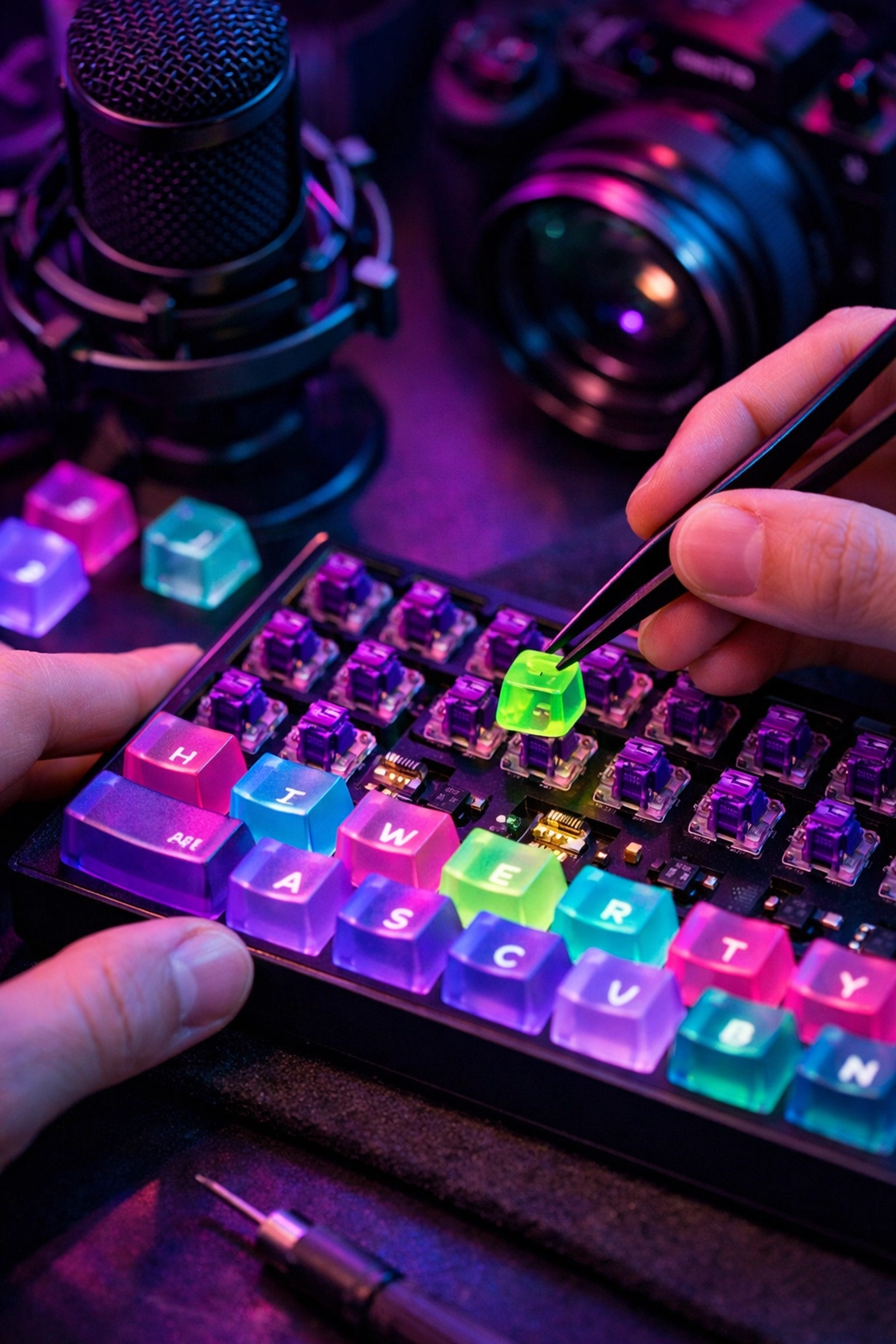
- Algorithmic Favoritism: Platforms now prioritize "Community Hubs." If a creator has a 10% engagement rate within a specific niche (like "mechanical keyboard modders" or "urban permaculture"), the algorithm is more likely to push their content to the top of the feed for that specific audience.
- Lower Cost of Acquisition (CAC): You can partner with 50 nano-influencers for the price of one mid-tier creator. This diversification reduces your risk.
- High-Intent Traffic: When a nano-influencer talks about a product, it feels like a recommendation from a friend. The intent to buy is significantly higher than a broad-reach ad.
From "Paid Billboard" to "Brand Partner"
The most successful brands in 2026 aren't just hiring creators to post; they're hiring them to collaborate. This means bringing creators into the product development cycle.
The Co-Creation Model
Imagine you’re a skincare brand. Instead of paying an influencer to talk about your existing serum, you bring three top-tier creators into your lab. They help choose the scent, the packaging, and the specific focus (e.g., "blue light protection for digital nomads").
When that product launches, those creators aren't just "promoting" it: they're selling their product. Their audience knows they were involved in the process, which eliminates the "sell-out" stigma.
Integrating Creators into Brand Communities
Owned communities are the ultimate hedge against platform volatility. Brands are now using creators to host Discord servers, Substack threads, or private WhatsApp groups.
- The Creator as a Moderator: A creator isn't just a face; they are a community leader. They answer questions, run weekly challenges, and provide exclusive content that can’t be found on public social feeds.
- The Feedback Loop: Creators give you direct access to the "unfiltered" voice of the customer. In 2026, this first-party data is more valuable than any Facebook Pixel data.
Advanced Affiliate Strategies: Beyond the Coupon Code
The "10% OFF" code is a relic. In 2026, affiliate marketing has become a technical discipline. If you want to scale, you need to look at Multi-Touch Attribution (MTA) and Incrementality.
Deep Linking and Seamless Checkout
In the current ecosystem, every friction point is a lost sale. You should be using:
- Social Commerce Integration: Direct checkout within TikTok, Instagram, and YouTube. The creator’s affiliate tag should be embedded in the metadata of the video itself.
- Dynamic Affiliate Links: Links that change based on the user's location, device, or previous interaction with the brand.
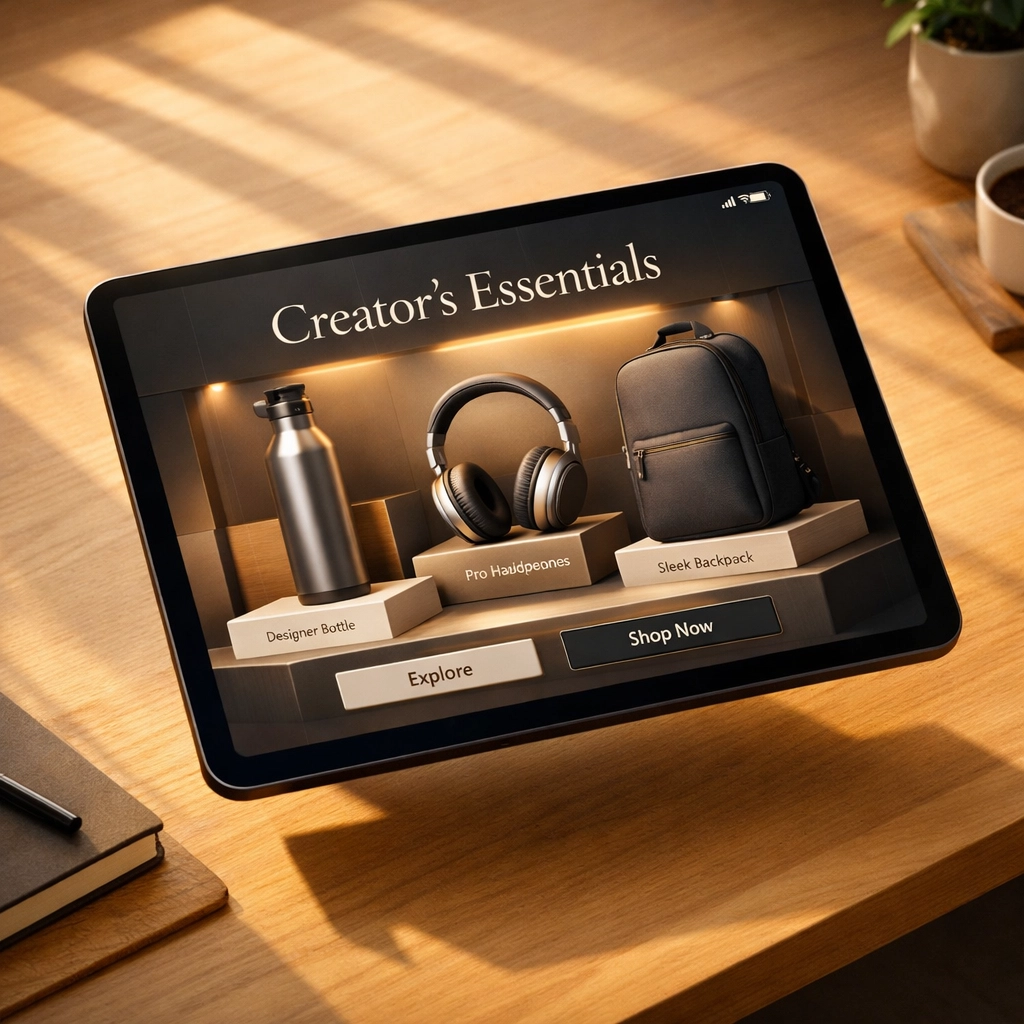
- Micro-Stores: Giving each major creator their own "curated storefront" on your website. This increases average order value (AOV) because followers want to buy the "entire look" or the "complete setup" recommended by the creator.
Performance-Based Equity
For your top 1% of creators, the standard 10-15% commission isn't enough anymore. We are seeing a massive rise in equity-based partnerships. In exchange for long-term exclusivity and deep integration, brands are offering small percentages of profit-sharing or even stock options. This aligns the creator’s long-term financial success with the brand’s health.
Tracking ROI: The Technical Stack of 2026
Measuring influencer marketing used to be "vibes-based." Not anymore. To survive in a high-interest-rate economy, you need to prove every dollar.
1. Multi-Touch Attribution (MTA)
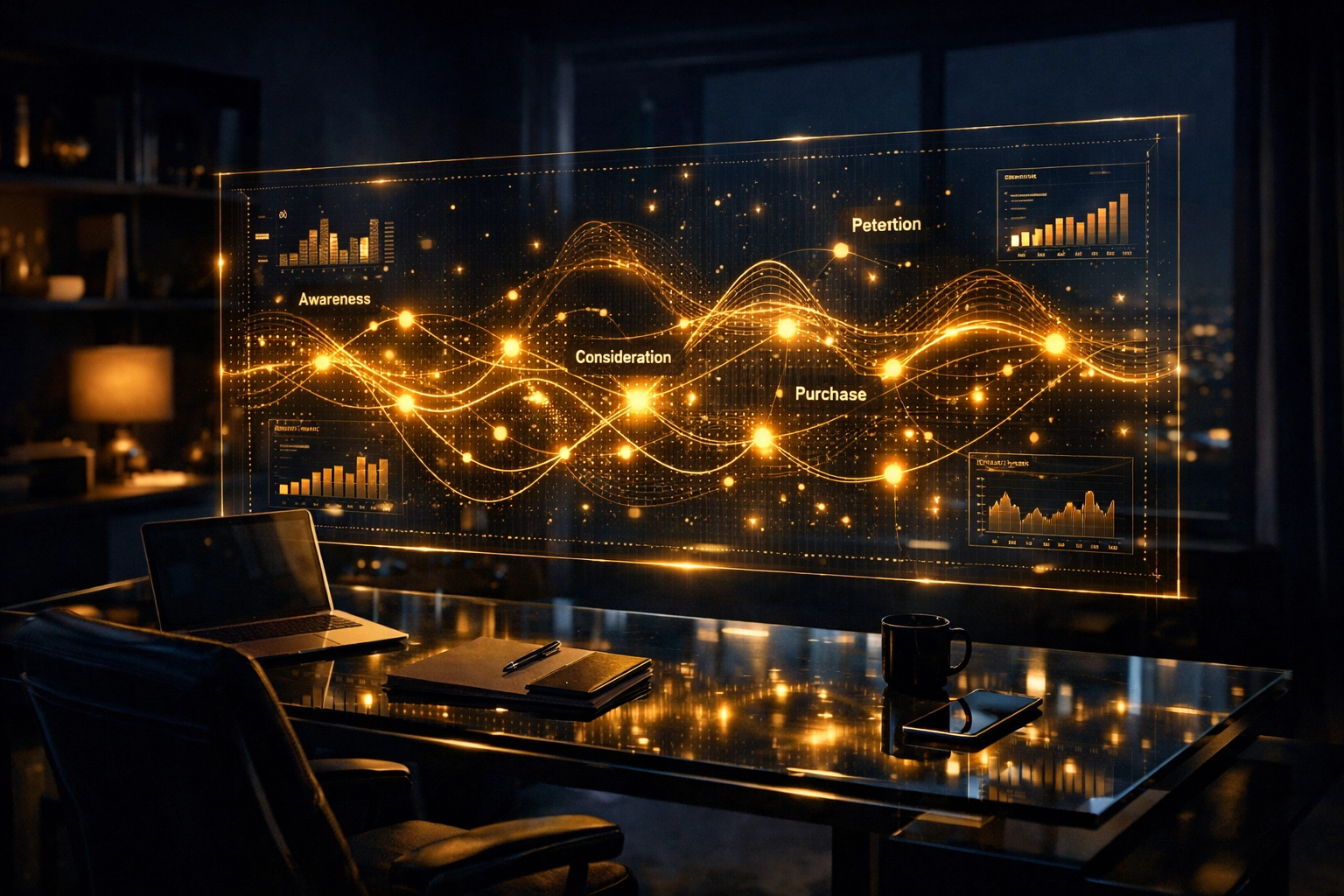
A customer might see a creator's TikTok, then see a Google Search ad, then read a review on a blog, and then buy through a retargeting ad on Instagram. Who gets the credit?
In 2.0, we use Fractional Attribution. We assign value to the creator for the "top-of-funnel" awareness, even if they didn't get the final click. AI-driven platforms now track the "Customer Path to Purchase" across devices and platforms without relying on third-party cookies.
2. Incrementality Testing
This is the ultimate test of an influencer's value. You run a campaign in one geographic region (the "test" group) and keep your marketing spend constant in a similar region (the "control" group). If the test region sees a 20% spike in sales that the control group doesn't, that’s your Incremental Lift. This proves that the influencer actually drove new business, rather than just claiming credit for people who were going to buy anyway.
3. Sentiment Analysis and Brand Lift
We now use AI to scrape comments and mentions across the web to measure "Brand Sentiment." Are people talking about your brand more positively after the partnership? Is your "Share of Voice" increasing compared to competitors? This is the "hidden" ROI that pays dividends over years, not just days.
Future-Proofing: Dealing with AI and Synthetic Media
By 2026, the line between "human" and "AI" creators has blurred. We have AI influencers with millions of followers. As a brand, you need a strategy for both.
Vetting for Authenticity
The biggest risk in 2026 is partnering with a creator who uses "Synthetic Engagement." Our vetting process now includes:
- Audience Quality Score: Analyzing the follower growth curve. Natural growth is bumpy; bot growth is linear or has massive, unexplained spikes.
- Comment Deep-Dive: AI tools that can distinguish between "Great post!" (bot) and a nuanced question about product ingredients (human).
- First-Party Data Verification: Asking creators to share their actual platform analytics via secure API connections rather than sending screenshots (which can be faked with AI in seconds).
Protecting Your IP
With AI scraping tools becoming more sophisticated, ensure your contracts with creators include clauses about AI training rights. Does the creator have the right to use your brand logo in AI-generated content? Can you use their "digital twin" for future ads? These are the legal frontiers of 2026.

The Checklist for Your Next Campaign
If you're planning a launch, here’s the "Influencer 2.0" checklist to ensure you're not lagging behind:
- Identify "Super-Users": Look at your existing customer database. Who is already posting about you? Start there.
- Define the Narrative: Don't just give a script. Give them a "Mission." What problem is this partnership trying to solve for the audience?
- Choose the Tech: Are you using a platform that supports MTA and direct social checkout?
- Set "Soft" and "Hard" KPIs: Hard KPIs = Sales, RoAS. Soft KPIs = UGC (User Generated Content) count, sentiment shift, and community growth.
- Draft a "Creator-First" Contract: Focus on creative freedom and long-term usage rights rather than rigid posting schedules.
Conclusion
Influencer Marketing 2.0 is no longer a "side dish" in your marketing strategy; it is the main course. By moving away from transactional posts and toward deep, technical, and community-focused partnerships, you’re not just buying ads: you’re building a brand that can survive the shifts of the next decade.
The brands that win in 2026 will be the ones that treat creators like board members, not billboards.
About the Author: Malibongwe Gcwabaza
Malibongwe Gcwabaza is the CEO of blog and youtube, a forward-thinking digital media house dedicated to the intersection of content creation and technical SEO. With over a decade of experience in the digital space, Malibongwe specializes in scaling solo media brands and navigating the complex world of AI-driven marketing. When he’s not deep in data analytics or plotting the next big content pivot, he’s passionate about empowering the next generation of African digital entrepreneurs to own their narrative in the global creator economy.
About the Author


