By 2026, the "all-in-one" e-commerce platform dream has effectively ended. If you are still running a standard, monolithic store where the frontend and backend are glued together, you aren't just behind: you’re likely invisible to the AI agents that now drive nearly 30% of global commerce discovery.
Building a tech stack today isn't about finding a theme that looks "pretty." It’s about creating a modular, high-speed engine that can feed data to Large Language Models (LLMs), handle autonomous agent negotiations, and provide a sub-second shopping experience on any device, from a VR headset to a smart fridge.
Here is the blueprint for the 2026 e-commerce tech stack that actually scales.
1. The Core: Headless and API-First Architecture
The shift to headless commerce is no longer optional for brands doing over $1M in GMV. In 2026, your "store" isn't just a website; it’s a database that needs to be accessible everywhere.
By decoupling your frontend (what the user sees) from your backend (your logic, inventory, and payments), you gain the agility to push content to new channels without a full rebuild. We are seeing a massive move toward platforms like Shopify Hydrogen or BigCommerce used purely as a commerce engine, while the frontend is managed via Next.js or Vercel.
Why API-First Matters for AI
In 2026, "Agentic Commerce" is the standard. This is when a customer tells their personal AI (like a refined version of ChatGPT or a dedicated shopping agent), "Find me a sustainable, waterproof hiking boot under $200 with 4-star reviews."
If your tech stack isn't API-first, that agent can't "crawl" your real-time inventory or check your shipping speeds efficiently. You need endpoints that allow machines to talk to your store as easily as humans do.

2. Data Intelligence: Triple Whale and the "Single Source of Truth"
The "death of the cookie" happened years ago, but 2026 has introduced a new challenge: Attribution fragmentation. With users jumping between TikTok, YouTube, AI search engines, and private Discord communities, tracking where a sale came from is a nightmare.
Triple Whale has become the industry standard for 2026 because of its "Total Impact" modeling. It’s no longer just about seeing which ad got clicked; it’s about unifying first-party data (your Pixel), zero-party data (surveys), and platform spend into one dashboard.
Predictive Profitability
The tech stack of 2026 doesn't just look at what happened yesterday; it predicts tomorrow. Using Triple Whale’s AI-driven forecasting, brands are now managing their LTV/CAC ratios in real-time. If the algorithm detects that a specific cohort of customers from a "Micro-Brand" collaboration has a 40% higher 60-day retention rate, the stack automatically reallocates ad spend toward that segment without human intervention.
3. Communication and Retention: Klaviyo’s AI Evolution
Email isn't dead, but "batch and blast" is in the grave. In 2026, Klaviyo acts less like an email tool and more like a sophisticated brain for customer relationships.
The 2026 stack leverages Klaviyo’s Segment AI to build hyper-specific audiences. Instead of "People who bought a shirt," we are targeting "People who are likely to churn in the next 12 days based on their decreasing engagement with our SMS flows."
The Multi-Channel Flow
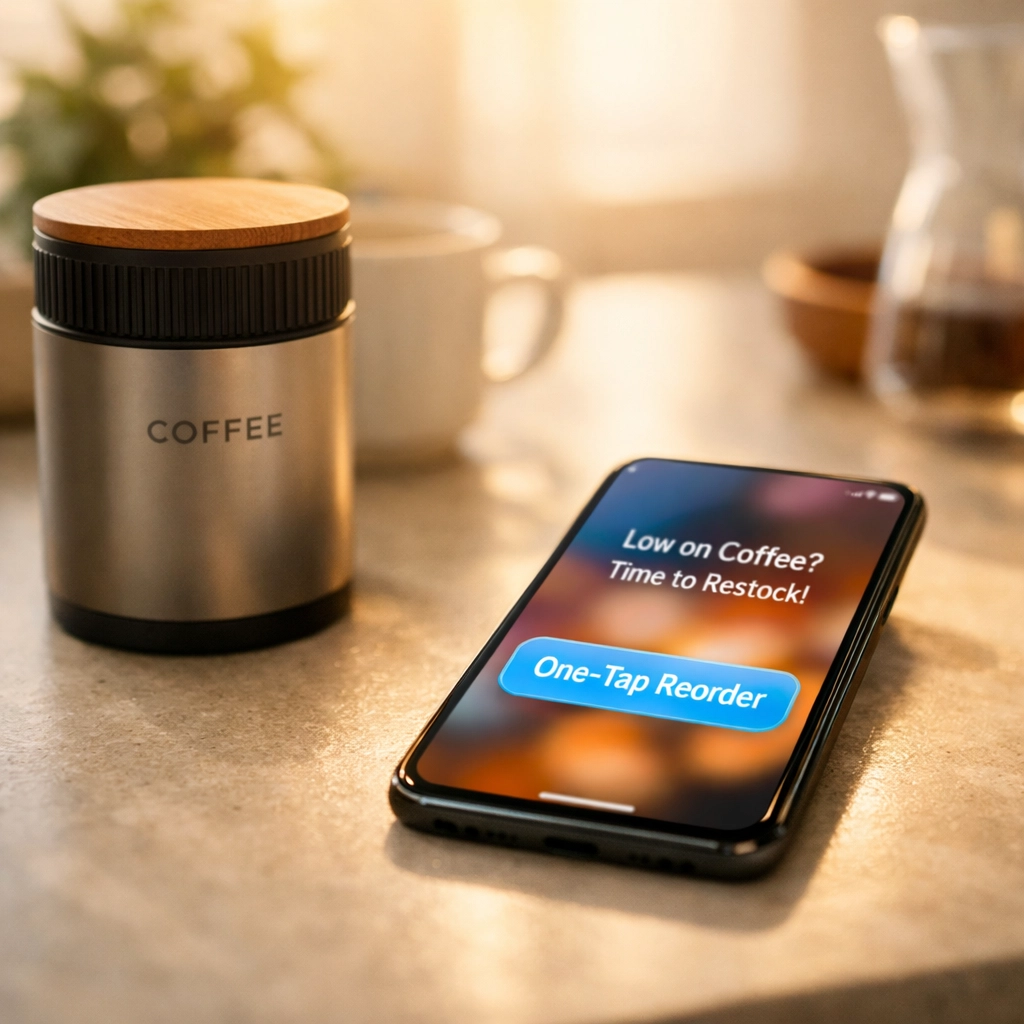
A modern stack integrates Klaviyo with your mobile app and SMS. In 2026, we see the rise of Predictive Replenishment. If you sell a consumable (like skincare or coffee), your stack knows the exact burn rate of your customer. Klaviyo triggers a personalized SMS with a "one-tap buy" link exactly 4 days before the customer runs out. That isn't marketing; it’s a service.
4. Customer Experience: Gorgias and Agentic Support
Customer support in 2026 is handled 80% by AI, but not the frustrating chatbots of 2022. We are using Gorgias as the central hub for "Agentic Support."
Modern Gorgias setups use Automated Resolution Flows that can actually tap into your logistics API. If a customer asks, "Where is my order?", the AI doesn't just give a tracking link: it checks for delays, sees the package is stuck in a sorting facility, and offers a 15% discount code for the "inconvenience" before the customer even gets annoyed.
Turning Support into a Profit Center
Because Gorgias integrates deeply with your tech stack (Shopify, Klaviyo, and Triple Whale), your support agents (human or AI) see the customer’s entire history. If a VIP customer reaches out, they are instantly routed to a high-tier human representative. If a new lead asks a product question, the AI uses "Semantic Search" to pull the exact specs from your manual and closes the sale in the chat window.
5. Discovery: Answer Engine Optimization (AEO)
SEO in 2026 is no longer about keywords; it’s about entities and context. Your tech stack must be optimized for "Answer Engines" like Perplexity, Gemini, and OpenAI’s Search.
The Technical Requirements for AEO:
- Schema Markup 3.0: You need deep, structured data for every product. This includes not just price and availability, but carbon footprint, material origin, and "usage context."
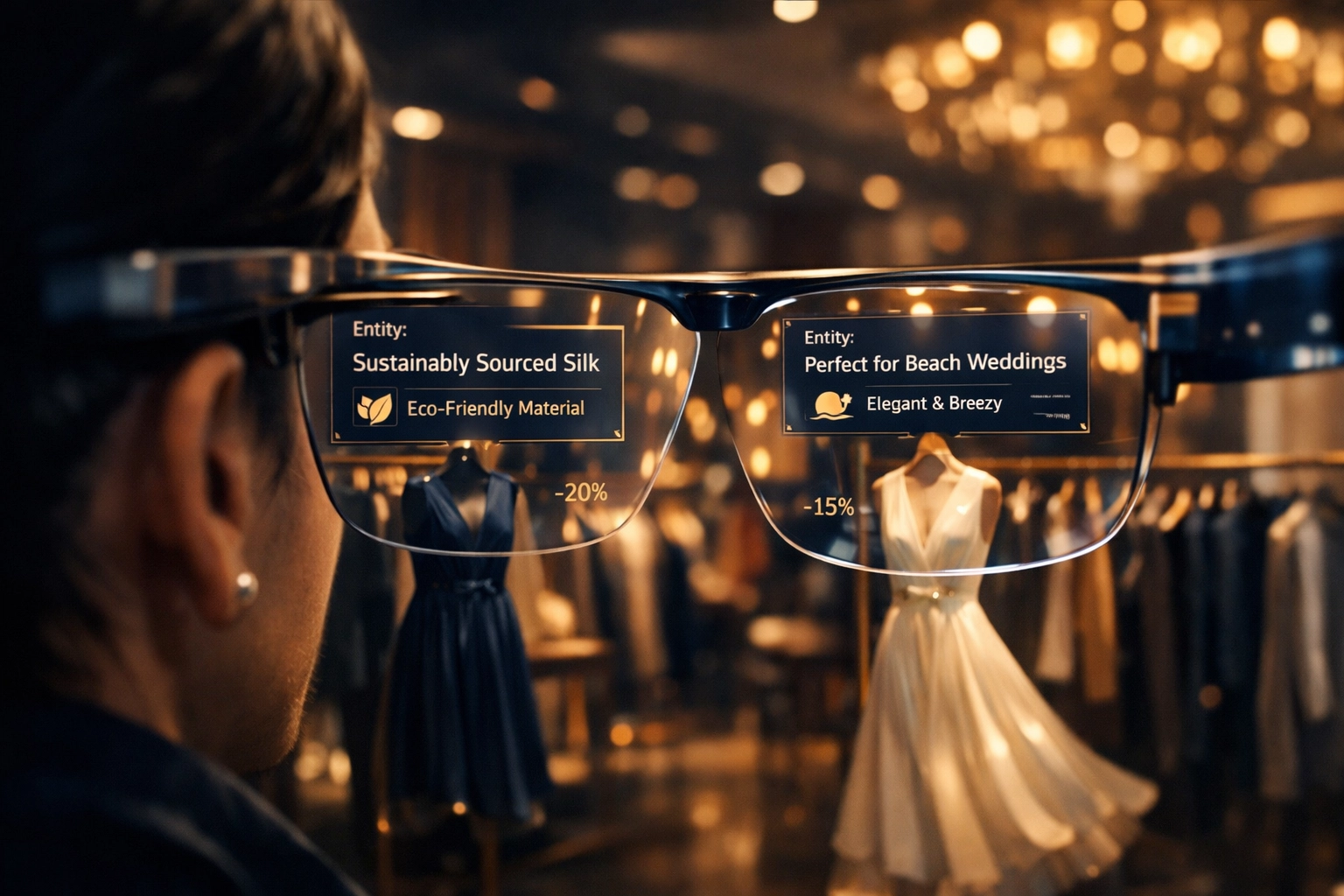
- Product Discovery Layers: Tools like Algolia or Searchspring have evolved. They now use vector search to understand intent. If a user types "something for a beach wedding that isn't too flashy," the search engine understands the vibe, not just the word "beach."
- Knowledge Bases: Your site needs a robust, AI-readable knowledge base. This is where you feed the LLMs the information they need to recommend your brand as an authority.
6. Operations: Real-Time Inventory and Demand Forecasting
One of the biggest margin killers in e-commerce is overstock or stockouts. The 2026 stack solves this with AI-powered demand forecasting tools like Inventory Planner or Skubana (Extensiv).
These tools now factor in external variables:
- Social Trends: If a specific style is trending on "Social Commerce" platforms, the system flags a potential spike.
- Logistics Volatility: If there’s a strike at a major port, the stack automatically adjusts "Estimated Delivery" times across your entire frontend via API.
- Automated Purchase Orders: When stock hits a specific "Smart Buffer" level, the system generates a PO for your manufacturer and sends it for approval.
7. The Payment Layer: Beyond Credit Cards
In 2026, friction is the enemy of conversion. Your payment stack must support:
- Biometric One-Tap: Apple Pay and Google Pay are the minimum. You need integration with identity layers that allow users to buy without entering a single field.
- Programmable Payments: For B2B e-commerce, the stack now handles "Smart Contracts." An agent can negotiate a bulk discount and trigger a payment only when the shipping API confirms the goods have been scanned at the destination.
- Wallet Integration: As more consumers use digital wallets and even stablecoins, your gateway (likely a modernized Stripe or Adyen) must handle multi-currency, multi-tender settlements instantly.

8. Sustainability and Transparency Tracking
Consumers in 2026 demand to know the "Digital Product Passport" (DPP) of what they buy. Your tech stack should include a transparency layer like EcoCart or Provenance.
These tools integrate with your supply chain data to show the real-time impact of a purchase. This isn't just "greenwashing": it’s technical data that is increasingly required by law in many jurisdictions (like the EU). Having this data structured correctly in your stack also makes you more likely to appear in "sustainable" filtered searches on AI shopping assistants.
Summary: The 2026 Tech Stack Checklist
If you're auditing your current setup, here is what the "Winner’s Stack" looks like:
- Commerce Engine: Shopify (Headless) / BigCommerce
- Frontend: Vercel / Next.js
- Analytics: Triple Whale
- Retention: Klaviyo
- Support: Gorgias
- Search/Discovery: Algolia (Vector Search)
- Logistics: Extensiv
- Sustainability: EcoCart
The brands winning in 2026 aren't the ones with the loudest ads; they are the ones with the most integrated, data-rich tech stacks. By moving to an API-first, modular architecture, you ensure that no matter how the "Answer Engines" or "Shopping Agents" evolve, your brand is ready to serve them.
About the Author
Malibongwe Gcwabaza is the CEO of blog and youtube. With over a decade of experience in the digital commerce space, Malibongwe focuses on the intersection of technical SEO, AI-driven marketing, and scalable business architecture. He is a frequent speaker on the future of "Agentic Commerce" and helps brands navigate the transition from traditional e-commerce to the modular, AI-first economy of 2026.
About the Author


