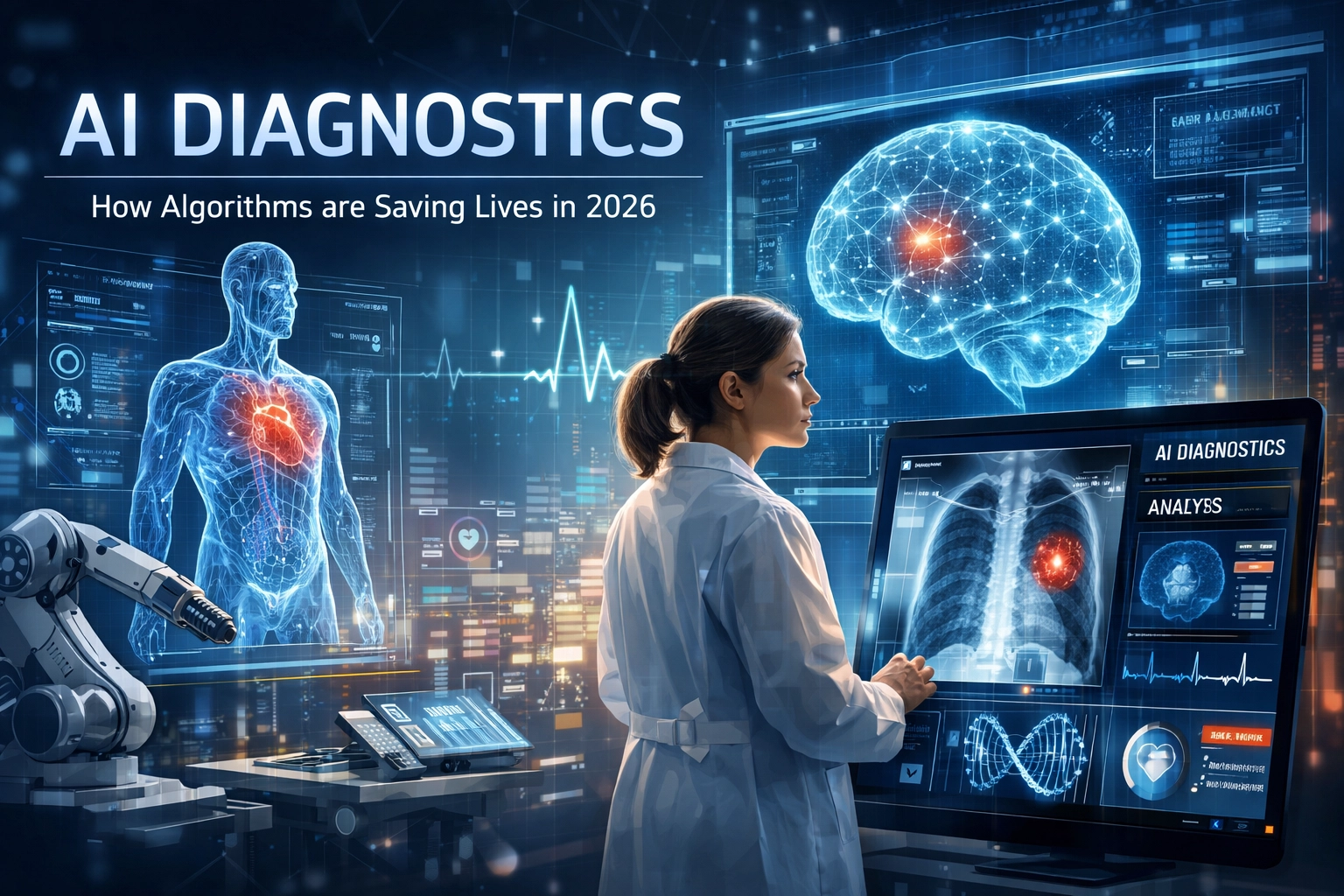
By March 2026, the medical landscape has shifted from a "wait and see" reactive model to a "predict and prevent" proactive era. We aren't just talking about chatbots that suggest you drink more water. We’re looking at sophisticated, multi-modal diagnostic engines that analyze biological data at a granular level far beyond human capacity. If 2023 was the year of the LLM hype, 2026 is the year of clinical validation.
The integration of artificial intelligence into diagnostics: specifically in radiology and oncology: is no longer a futuristic concept. It’s the standard of care. In high-performance clinical environments, AI isn't replacing the doctor; it’s acting as an "exoskeleton" for the physician’s mind, processing terabytes of imaging data, genomic sequences, and real-time biometric feeds to catch diseases before they even present symptoms.
The Radiology Revolution: Beyond the Human Eye
Radiology was the first medical field to be truly "cannibalized" (in a good way) by AI. In 2026, the workflow for a radiologist looks radically different than it did three years ago. Every image: whether it’s a CT scan, MRI, or a simple X-ray: is first processed by a specialized computer vision model trained on billions of annotated medical images.
These aren't just simple edge-detection algorithms. We are using Foundation Models for Medical Imaging (FMMI). These models understand the three-dimensional context of the human body. When a 2026 AI looks at a chest CT, it isn't just looking for "spots." It’s performing automated volumetric analysis, comparing the current scan to every previous scan the patient has ever had, and cross-referencing that data with the latest global oncology databases.
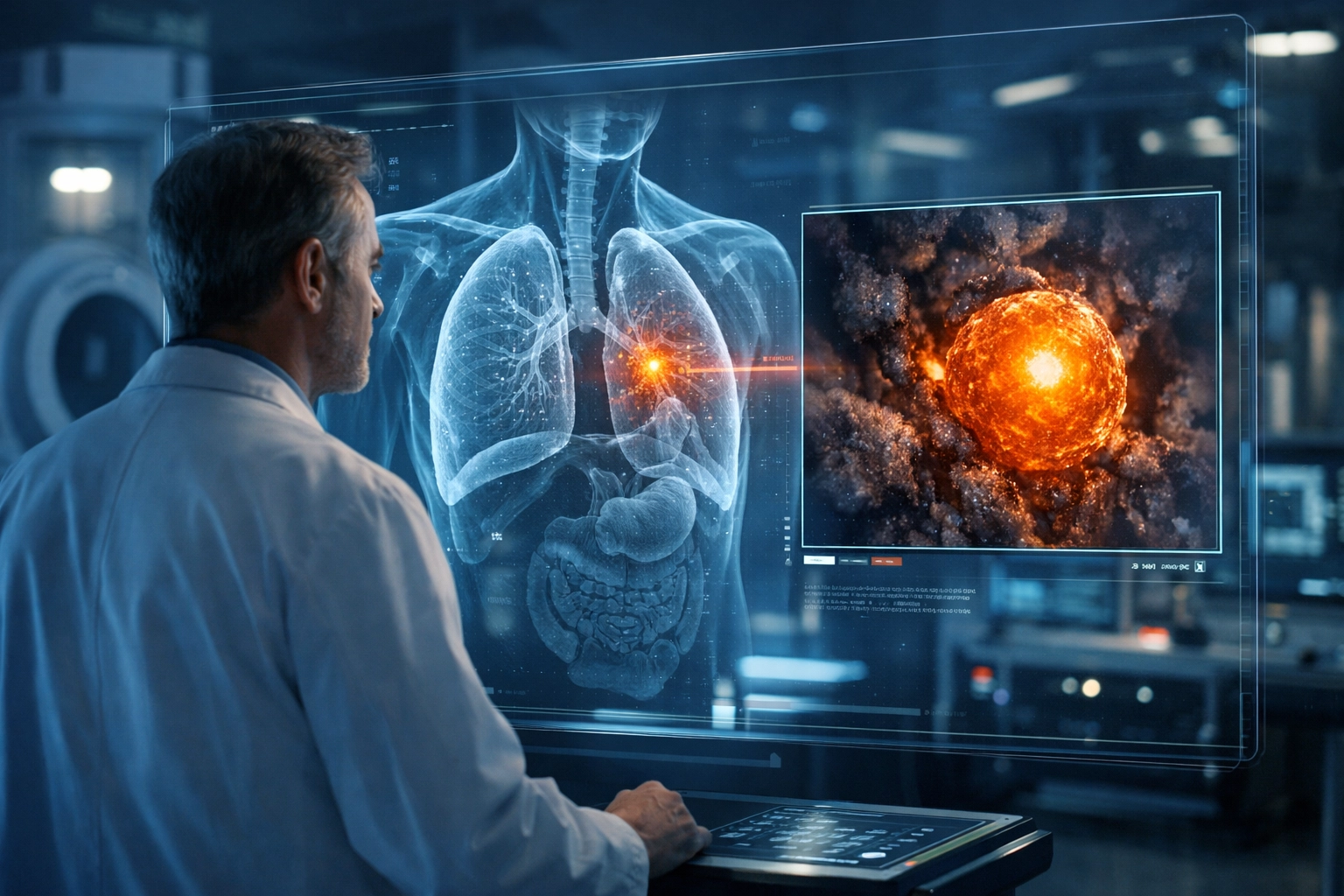
For instance, in early lung cancer detection, AI systems now identify "ground-glass opacities" that are less than 2mm in size: anomalies that are nearly impossible for a tired human eye to spot during a 12-hour shift. By flagging these with a 98% sensitivity rate, we’ve seen a 30% increase in Stage 1 diagnoses, where the survival rate is significantly higher.
Digital Pathology and the Death of the "Wait for Results" Week
One of the biggest bottlenecks in 2020s medicine was the pathology lab. You’d have a biopsy, and then you’d wait seven to ten days in a state of high anxiety for a human pathologist to look at a slide. In 2026, digital pathology has eliminated that "black hole" of waiting.
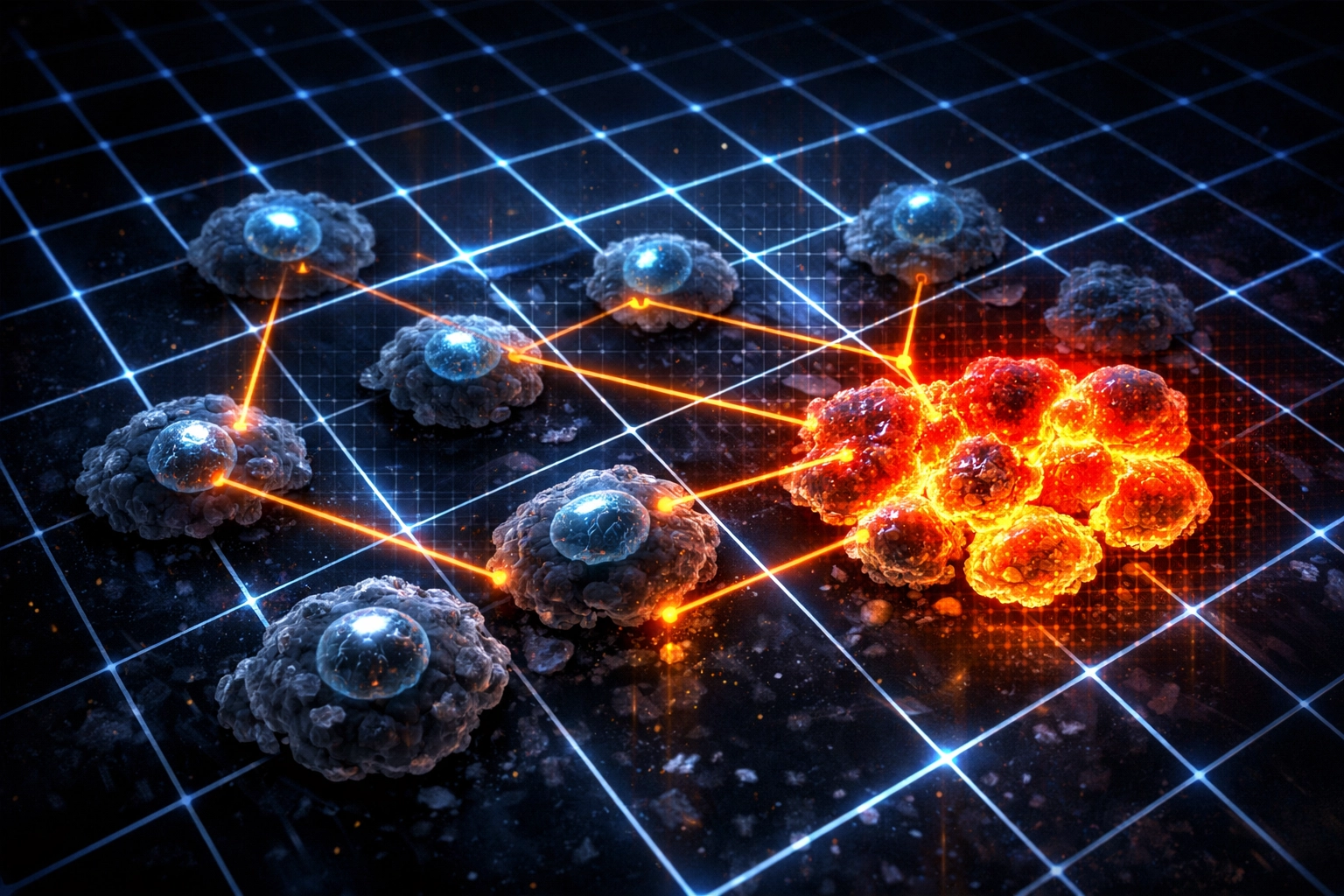
Modern AI diagnostic platforms use high-resolution whole-slide imaging (WSI). Once a tissue sample is digitized, the AI performs a cell-by-cell analysis. It looks for subtle polymorphic changes in nuclei that indicate early-stage malignancy. Because these algorithms don't suffer from "decision fatigue," they maintain the same level of precision at 4:00 PM as they do at 8:00 AM.
More importantly, AI in 2026 is performing "virtual staining." Traditionally, pathologists had to use physical chemical stains to highlight certain proteins or cell structures. AI can now computationally simulate these stains, allowing for multiple "virtual" biopsies from a single physical sample. This saves time, reduces the need for repeated invasive procedures, and provides a much more granular view of a tumor's genetic makeup.
Multi-Modal Integration: The "Digital Twin" Approach
The real magic of 2026 diagnostics isn't found in a single tool, but in the synthesis of data. We’ve moved away from "siloed" diagnostics. In the past, your blood work lived in one folder, your MRI in another, and your wearable data (like your Apple Watch or Oura ring) was largely ignored by your doctor.
Today, AI diagnostic engines create a "Digital Twin" of the patient. This is a living, breathing data model that integrates:
- Genomic Data: Your inherent risks for specific diseases.
- Proteomic and Metabolomic Data: Real-time snapshots of what’s happening in your blood.
- Radiology Imaging: The structural state of your organs.
- Longitudinal Wearable Data: Heart rate variability (HRV), sleep patterns, and respiratory rate trends over months.
By connecting these dots, AI can identify "signatures of decay" months before a clinical event. For example, an AI might notice a subtle, consistent decrease in HRV combined with a slight elevation in specific inflammatory markers in your blood and a tiny change in cardiac wall thickness on an ultrasound. Individually, these markers are "within normal range." Together, the AI identifies them as an 85% probability of a cardiac event within the next 90 days.

Early Cancer Detection: The Holy Grail
In 2026, we are finally winning the war on cancer through early detection. The "Liquid Biopsy" powered by AI has become a routine part of annual physicals for those over 40. These tests look for circulating tumor DNA (ctDNA) in a simple blood draw.
The challenge with ctDNA was always the "noise": there’s a lot of junk DNA in our blood. 2026-era algorithms use deep learning to filter out the noise and identify the specific methylation patterns that signal the presence of a tumor when it’s only a few hundred cells large.
This isn't just about finding cancer; it’s about identifying its "zip code." The AI can now tell us not just that there is cancer, but exactly where it is (pancreas, lung, colon) based on the epigenetic signature of the DNA fragments. This allows for hyper-targeted imaging and intervention before the cancer has the chance to metastasize.
Technical Deep Dive: How the Algorithms Work
To understand why 2026 is different, we have to look at the architecture of these models. We’ve moved beyond standard Convolutional Neural Networks (CNNs) to Vision Transformers (ViTs) and Multi-Modal Large Language Models (M-LLMs).
Vision Transformers (ViTs) in Medicine
Unlike CNNs, which look at images pixel-by-pixel in a local neighborhood, ViTs use "attention mechanisms" to understand global relationships within an image. In a medical context, this means the AI understands how a shadow in the lower lobe of the lung might relate to the positioning of the diaphragm or the density of the ribs. This "contextual awareness" has reduced false positives by over 40% compared to 2023 models.
Synthetic Data and Rare Diseases
One of the biggest hurdles for AI was "data poverty" for rare diseases. In 2026, we use Generative Adversarial Networks (GANs) to create high-fidelity synthetic data. By generating thousands of "fake" but medically accurate images of rare conditions, we can train diagnostic models to recognize diseases that a human doctor might only see once in a thirty-year career.
Edge Computing and Real-Time Analysis
We’ve also moved the "brain" closer to the patient. Many diagnostic tools: like the GI Genius™ for colonoscopies: now use edge computing. The AI processing happens inside the hardware of the endoscope itself. As the camera moves through the colon, the AI scans every frame in real-time, highlighting polyps with a glowing green box. There is zero latency. This real-time feedback loop ensures that the physician can perform a biopsy or removal immediately, during the same procedure.
The "Human-in-the-Loop" and Explainable AI (XAI)
A major concern in the early 2020s was the "black box" nature of AI. Doctors were hesitant to trust an algorithm that couldn't explain why it reached a certain conclusion.
In 2026, Explainable AI (XAI) is a regulatory requirement for medical devices. When an AI flags a potential malignancy, it doesn't just give a percentage. It generates a "heatmap" showing exactly which pixels influenced its decision and provides a natural-language explanation: "Flagged due to irregular vascularity and focal thickening in the epithelial layer, consistent with early-stage adenocarcinoma."
This transparency has built a bridge of trust between the technology and the medical community. The AI serves as a high-level assistant, but the final diagnostic "signature" still belongs to the human physician. This partnership is what is truly saving lives.
Challenges: Bias, Privacy, and the Digital Divide
Despite the breakthroughs, 2026 isn't a medical utopia. We still face significant challenges:
- Algorithmic Bias: If a model is trained primarily on data from North American patients, its diagnostic accuracy may drop when applied to patients of different ethnicities or geographic backgrounds. Continuous "de-biasing" of datasets is an ongoing struggle.
- Data Privacy: With the rise of the Digital Twin, the risk of a "medical identity theft" is higher than ever. Hospitals in 2026 spend more on cybersecurity than they do on traditional marketing.
- The Accessibility Gap: While elite clinics in London, New York, and Johannesburg have access to these multi-modal AI engines, rural clinics often struggle with the bandwidth required to process these massive data sets.

The Future: From Diagnosis to Automated Treatment Planning
Looking toward 2027 and 2028, the next step is already clear. Once the AI has diagnosed a condition, it will move into Automated Treatment Planning. We are already seeing the first iterations of this in radiation oncology, where AI calculates the exact dosage and angle for radiation beams in seconds: a process that used to take human dosimetrists hours of manual calculation.
The goal is a "closed-loop" healthcare system where diagnosis is near-instant, and the path to recovery is mathematically optimized for the individual's specific genetic and biological makeup.
Summary: A New Era of Health
In 2026, AI in diagnostics is no longer a luxury; it’s a fundamental human right. It has democratized expertise, bringing the diagnostic capabilities of the world’s best specialists to local clinics via the cloud. By catching diseases at their absolute inception, we aren't just saving lives: we’re changing what it means to be a "patient." We are moving into a world where "Stage 4" becomes a historical term, and "pre-symptomatic intervention" becomes the new norm.
About the Author: Malibongwe Gcwabaza
Malibongwe Gcwabaza is the CEO of blog and youtube, a leading digital media brand focused on the intersection of deep tech, AI, and future living. With over a decade of experience in identifying emerging technological trends, Malibongwe has become a key voice in explaining how complex algorithms are reshaping the human experience. He is a firm believer in "simple" communication for complex ideas, ensuring that the most advanced technical breakthroughs are accessible to everyone, from CEOs to students. When he's not dissecting the latest AI whitepapers, Malibongwe is exploring the future of content creation and the "Phygital" retail revolution.
About the Author


