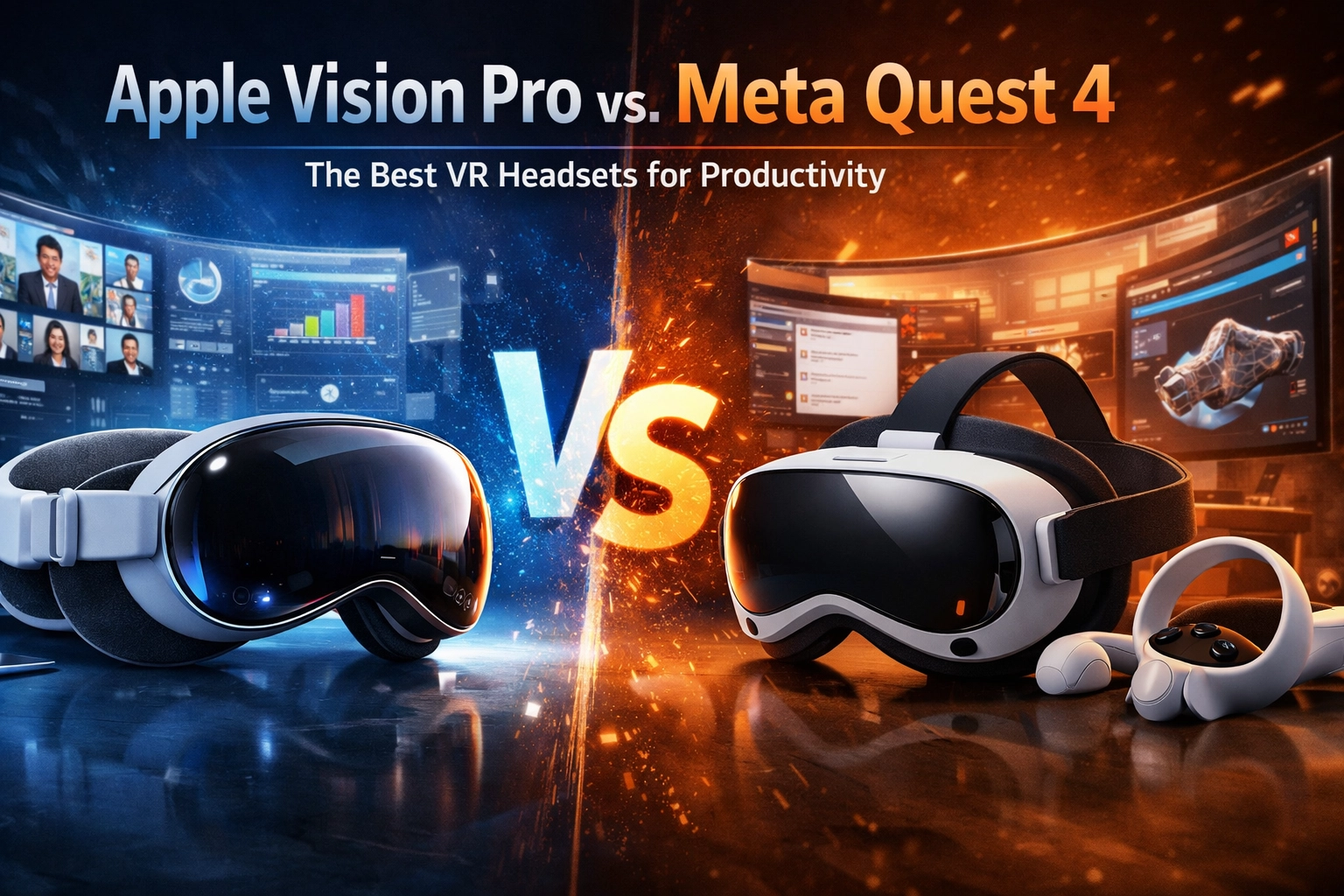
By March 2026, the "metaverse" hype has cooled, replaced by the far more practical reality of spatial computing. We aren't hanging out in low-poly digital bars anymore; we are using high-resolution headsets to replace multi-monitor desk setups and revolutionize remote collaboration.
If you are a professional looking to overhaul your workflow this year, two titans dominate the market: the Apple Vision Pro (now in its refined second generation or heavily updated original form) and the Meta Quest 4. One represents the pinnacle of luxury integrated hardware, while the other is the undisputed king of value and versatility.
This isn't just a spec-sheet comparison. This is a deep dive into which device actually helps you get more work done without giving you a headache by 2:00 PM.
The Technical Foundation: PPD, Latency, and Optics
When it comes to productivity, resolution is the only metric that truly matters. If you can’t read the fine print in an Excel spreadsheet or the code in a terminal window, the headset is a paperweight.
Apple Vision Pro: The Retina Standard of the Face
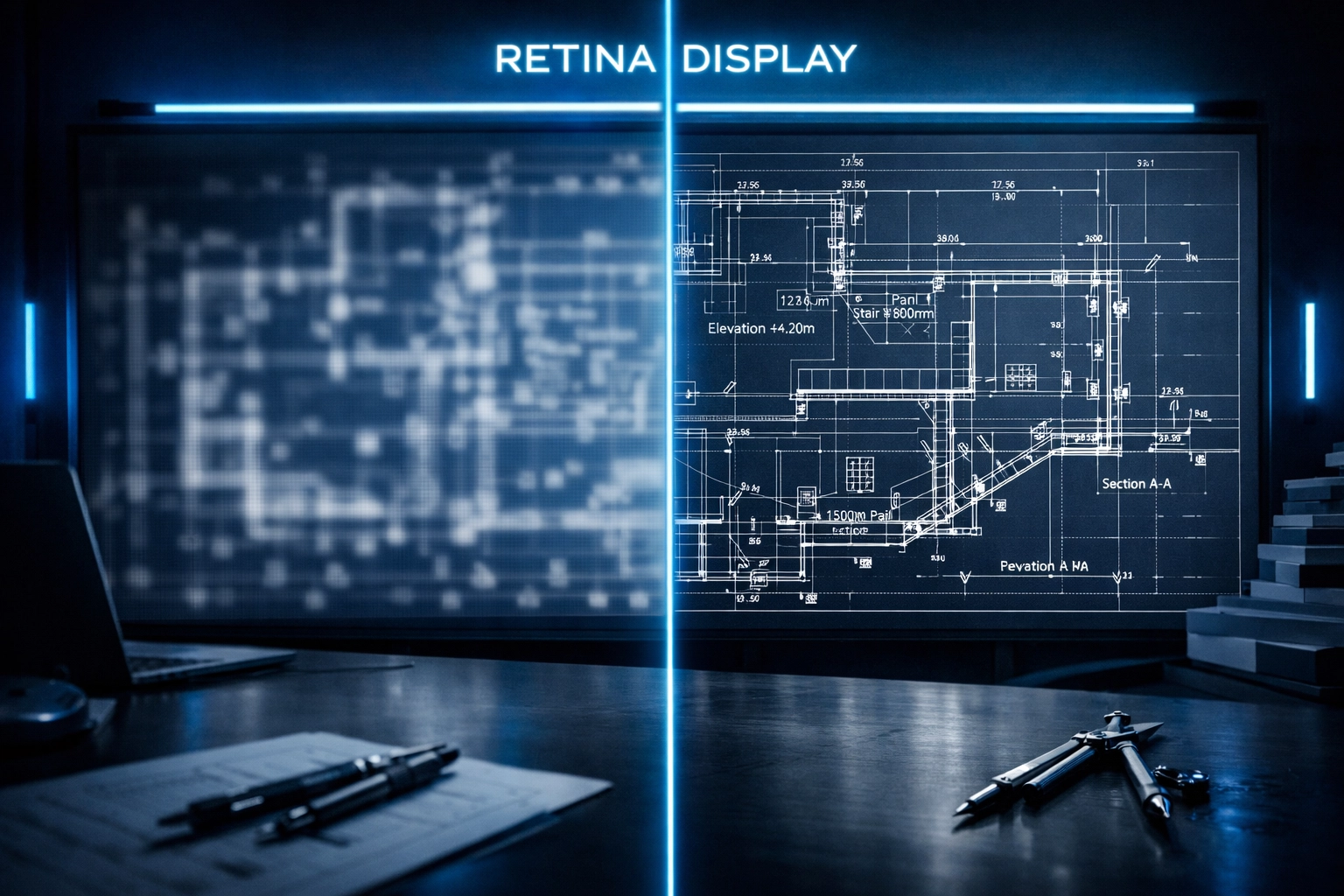
Apple’s display technology remains the gold standard in 2026. With micro-OLED displays pushing over 23 million pixels, the Vision Pro achieves a Pixels Per Degree (PPD) of roughly 40-45. In practical terms, this means "retina" quality. When you pull up a Mac Virtual Display, the text is as crisp as it would be on a physical 5K Studio Display.
The M5 chip (updated for the 2026 cycle) handles the R1 sensor processing with a photon-to-photon latency of less than 12 milliseconds. This is crucial for productivity because any perceived lag between your hand movement and the digital response leads to cognitive load and eventual nausea.
Meta Quest 4: The Leap to LCD-Pancake Excellence
The Meta Quest 4 has made massive strides. Moving away from the budget constraints of the Quest 3, the Quest 4 utilizes improved pancake lenses and dual-stack LCDs with local dimming. While it doesn't quite hit the Vision Pro's black levels, its 32 PPD is a significant jump from previous generations.
The Quest 4’s secret weapon is the Snapdragon XR2 Gen 3 (or Gen 4, depending on the Q1 release cycle). It is optimized for high-speed Wi-Fi 7, which is essential for "Remote Desktop" users who need to stream their PC screen without tethering.
Workspace Management: visionOS 3 vs. Meta Horizon OS
Hardware is the body, but software is the soul of productivity. In 2026, the gap between Apple and Meta’s philosophy has never been wider.
visionOS: The Infinite Canvas
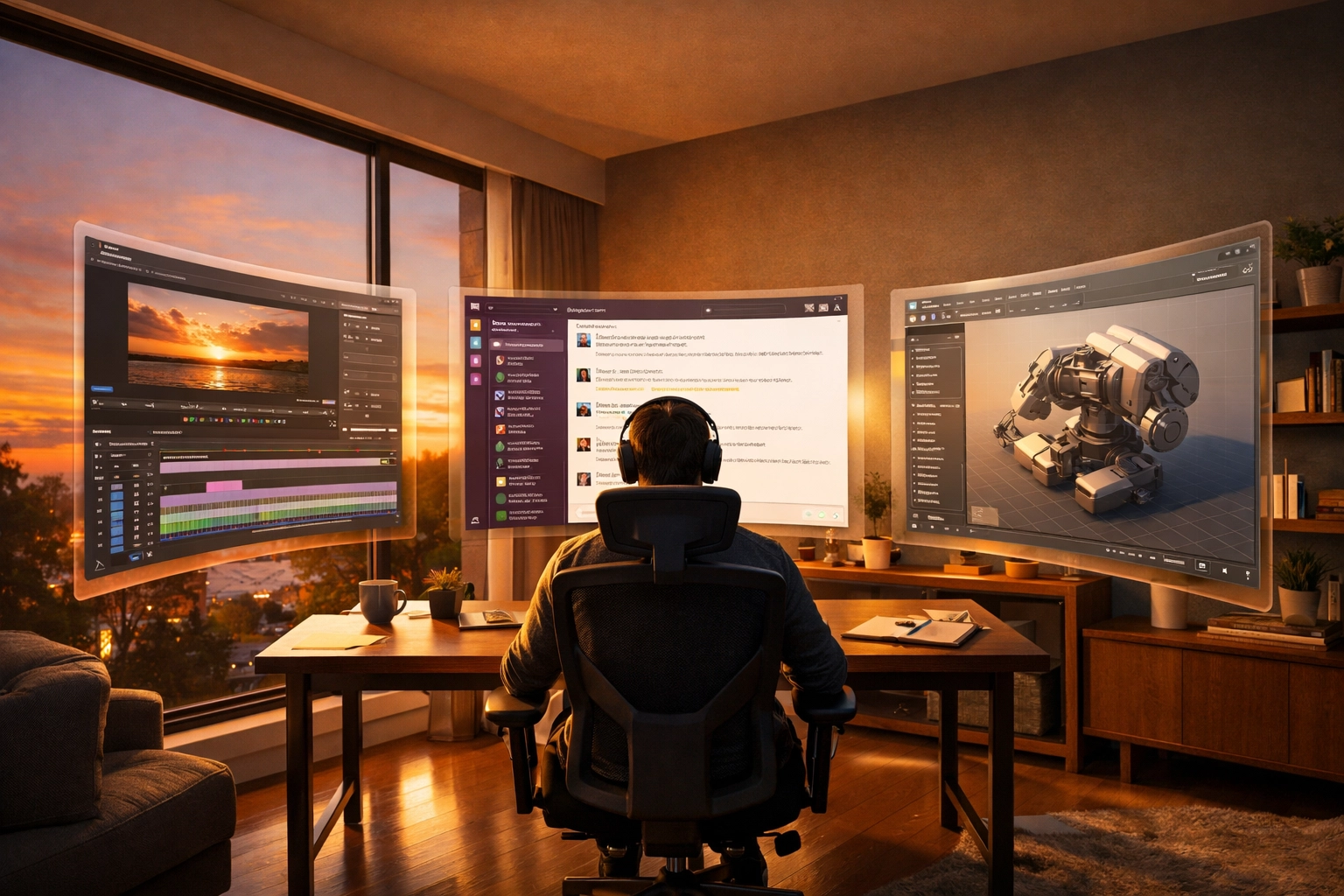
Apple’s approach to productivity is "Spatial Multitasking." You don’t "enter" a VR world; you stay in your office, but your apps float around you.
- Mac Virtual Display: In 2026, this has evolved. You can now spawn two independent virtual 5K monitors from a single MacBook Pro.
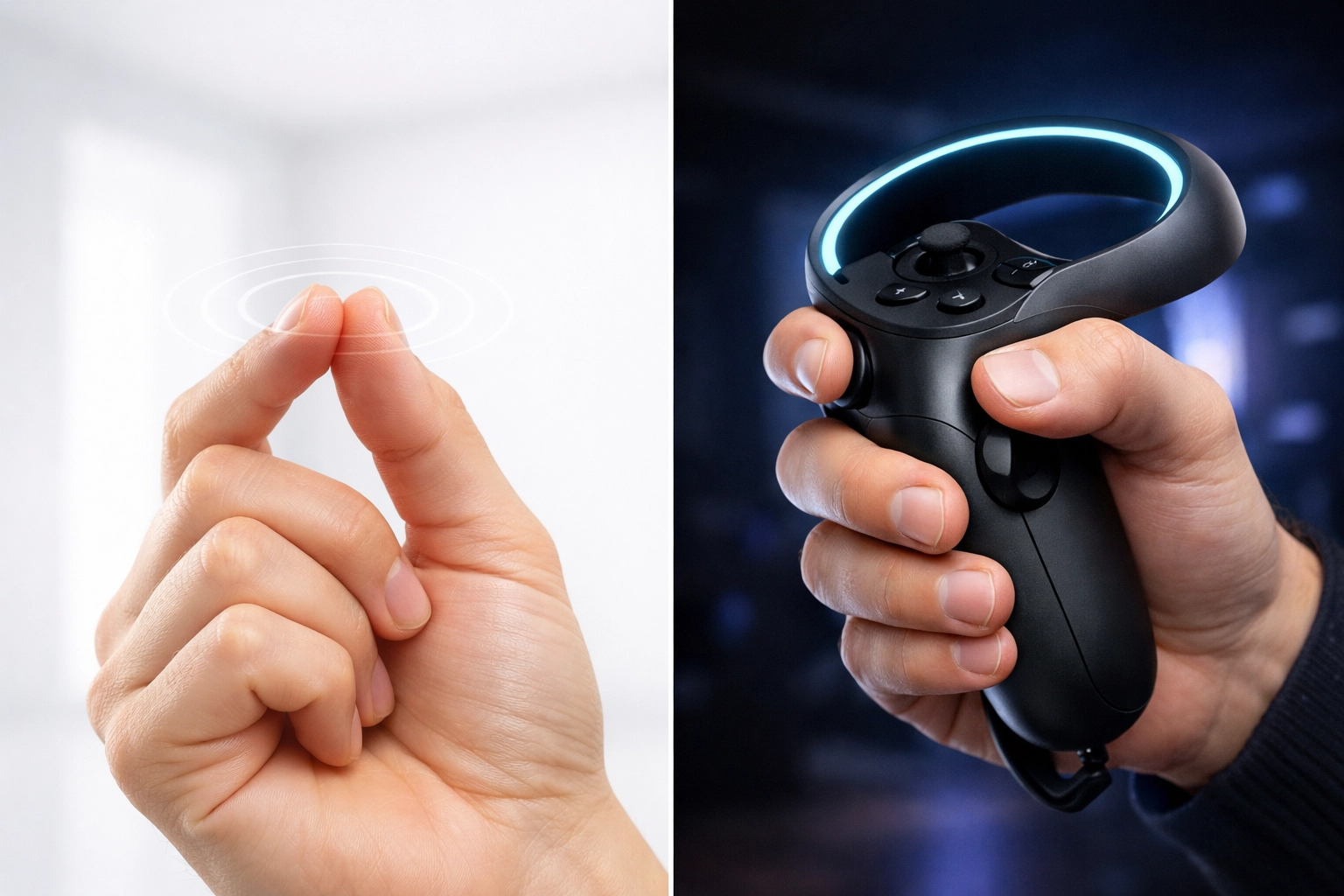
- Gaze and Pinch: The UI is controlled entirely by your eyes. It is the most "invisible" interface ever created. For deep work, this is a blessing. You look at a window, pinch, and move it.
Meta Horizon OS: The Multi-Tasking Workhorse
Meta has pivoted from "gaming first" to "open ecosystem." The Quest 4 runs a heavily modified Android-based OS that now supports up to five simultaneous high-resolution 2D windows.
- Native App Support: Meta’s advantage is the breadth of native apps. While Apple relies on iPad app ports, Meta has worked closely with Microsoft to ensure the full web-versions of Office 365 and Google Workspace run flawlessly.
- Augmented Reality (Passthrough): The Quest 4’s passthrough is finally "work-ready." You can see your physical keyboard and mouse clearly enough to type without the "warping" effect that plagued earlier models.
Input Methods: The Great Controller Debate
How do you actually input data? This is where the two devices diverge for professional use.
| Feature | Apple Vision Pro | Meta Quest 4 |
|---|---|---|
| Primary Input | Eye Tracking + Hand Gestures | Touch Plus Controllers + Hands |
| Keyboard Support | Bluetooth (Magic Keyboard preferred) | Bluetooth + Tracked Physical Keyboards |
| Precision | High (for UI navigation) | Very High (for 3D Modeling/CAD) |
| Long-form Typing | Requires external keyboard | Requires external keyboard |
For General Productivity (Emails, Slack, Browsing), Apple’s eye-tracking is faster. You simply look at what you want to click. It feels like telekinesis.
For Specialized Productivity (CAD, 3D Design, Video Editing), Meta wins. The Quest 4’s controllers provide haptic feedback and sub-millimeter precision. If you are an architect or a 3D artist, "painting" in the air with a controller is far superior to using finger-pinches.
Comfort and Endurance: The "Two-Hour Wall"
You can have the best screen in the world, but if the device hurts your face, you won’t use it for work.
The Apple Vision Pro remains a heavy device. Even with the "Solo Knit" and "Dual Loop" bands, the front-heavy nature is a challenge for 4-hour sessions. However, the external battery pack: while annoying to some: keeps the weight off the head. In 2026, third-party "halo" straps have become a mandatory purchase for Vision Pro power users.
The Meta Quest 4 has moved toward a balanced battery-on-the-back design (similar to the Quest Pro). This counterweight makes it feel significantly lighter than its actual gram count would suggest. For a full morning of meetings, the Quest 4 is generally the more comfortable "out-of-the-box" experience.
Collaboration: Personas vs. Avatars
Remote work thrives on human connection. In 2026, the "uncanny valley" is almost conquered.
Apple's Spatial Personas are photorealistic. When you hop on a FaceTime or Zoom call, the other person sees a 3D representation of your face that mimics your expressions perfectly. It’s professional and suitable for high-stakes board meetings.
Meta’s Codec Avatars (introduced in the Quest 4) have finally replaced the "cartoon" looks of 2024. They are expressive and allow for "Spatial Workrooms" where you can sit at a virtual table with colleagues. Meta’s strength here is cross-platform play. You can join a Meta Workroom from a PC, a phone, or a headset, making it better for teams with mixed hardware.
Real-World Use Case: The "Digital Nomad" Setup
Imagine you are working from a small coffee shop in Johannesburg.
With the Apple Vision Pro, you don't need to open your laptop. You keep the MacBook in your bag, put on the headset, and connect your Magic Trackpad. You now have a three-screen setup in a space no larger than a dinner plate. The "Travel Mode" on visionOS 3 is flawless, stabilizing your windows even if people are moving around you.
With the Meta Quest 4, you are likely using it as a secondary device. You have your laptop open for primary typing, and the Quest 4 provides three "floating" reference monitors above your laptop screen using an app like Immersed or Horizon Remote Desktop. It’s a hybrid workflow that feels more grounded for those not ready to go "full goggles."
The ROI Factor: Is it Worth the Price?
In 2026, the price gap remains significant:
- Apple Vision Pro: $3,499 (Standard)
- Meta Quest 4: $599 – $799 (depending on storage)
Who should buy the Apple Vision Pro?
If you are already deep in the Apple ecosystem (Mac, iPhone, iCloud) and your work involves high-end visual media, executive management, or deep-focus writing, the Vision Pro is a tax-deductible investment that replaces $5,000 worth of physical monitors and hardware.
Who should buy the Meta Quest 4?
If you are a developer, a 3D designer, or a business owner looking to kit out a team for remote collaboration, the Quest 4 offers 85% of the Vision Pro's utility at 20% of the cost. It is the "sensible" choice for 90% of the workforce.

Final Verdict: Which One Wins for Productivity?
The "Best" headset depends on your definition of work.
Choose the Apple Vision Pro if: You want the highest possible text clarity, you value "invisible" interfaces (eyes/hands), and you need seamless integration with your Mac. It is the best device for Consumption-heavy Productivity and Executive Workflows.
Choose the Meta Quest 4 if: You need physical controllers for precision, you work in a multi-platform environment (Windows/Linux/Android), and you want the best comfort-to-utility ratio. It is the best device for Creative Production and Team Collaboration.
Spatial computing is no longer a gimmick: it’s a career advantage. Whether you go with the polished luxury of Apple or the versatile power of Meta, the era of being tethered to a physical desk is officially over.
About the Author: Malibongwe Gcwabaza
Malibongwe Gcwabaza is the CEO of blog and youtube, a leading digital media company focusing on the intersection of emerging technology and business efficiency. With over a decade of experience in digital strategy and a deep passion for spatial computing, Malibongwe explores how AI and VR are reshaping the modern workplace. He is an early adopter of wearable tech and advocates for "human-centric" digital transformation. When he isn't testing the latest headsets, he’s helping businesses scale their content through data-driven storytelling.
About the Author


