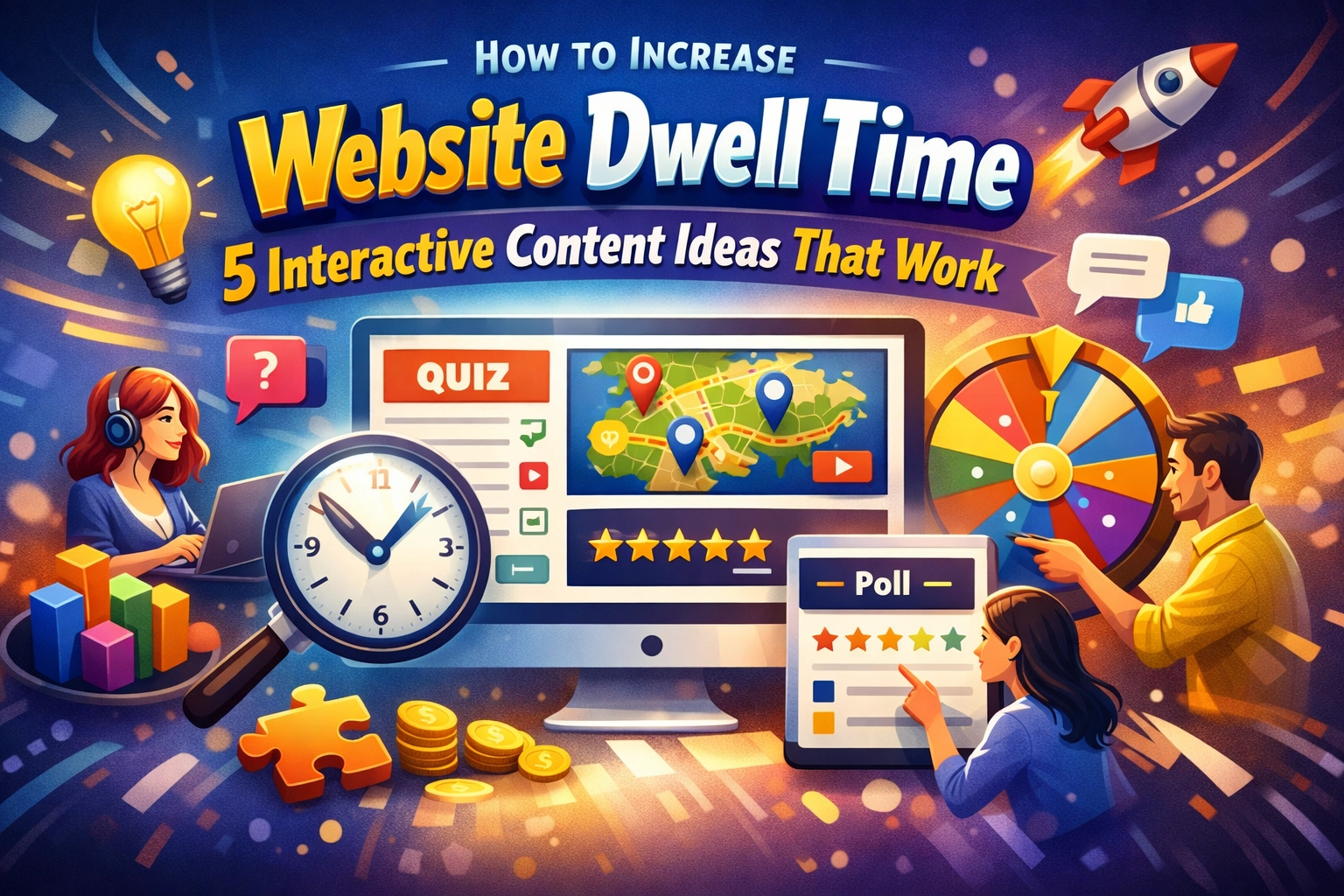
In the current landscape of search engine optimization, metrics like "clicks" and "impressions" are no longer the sole indicators of success. As Google’s algorithms: specifically those influenced by AI and RankBrain: evolve, they prioritize user intent and satisfaction above all else. This has brought a specific metric to the forefront of digital strategy: Dwell Time.
Dwell time is the actual length of time a visitor spends on a page before returning to the search results. While it isn't a metric you’ll find explicitly labeled in Google Analytics (which focuses more on "Average Session Duration"), it is a critical proxy for relevance. If a user clicks your link and sticks around for five minutes, Google interprets your content as highly valuable. If they bounce in five seconds, it’s a signal that your page didn't meet their needs.
Static text, no matter how well-written, often struggles to compete with the distractions of the modern web. To truly capture and hold attention in 2026, you need to transform your website from a lecture hall into a laboratory. You need interactive content.
The Technical Relationship Between Interaction and SEO
Before we dive into the specific ideas, let’s look at the technical "why." Interactive content increases dwell time through three primary mechanisms:
- Cognitive Load Management: By breaking up long walls of text with interactive elements, you prevent "reader fatigue."
- Active Participation: Interaction triggers a psychological state known as "flow," where the user becomes fully immersed in the activity, losing track of time.
- Micro-Conversions: Every click, toggle, or input is a micro-conversion. These actions signal to the browser (and tracking scripts) that the user is active, preventing sessions from timing out or being flagged as bounces.
Here are five proven interactive content ideas designed to maximize dwell time and improve your site’s authority.
1. Dynamic Quizzes and Diagnostic Tools
Quizzes are often dismissed as "clickbait," but when applied to a professional or technical niche, they become powerful diagnostic tools. Instead of telling a user what they need, you allow them to discover it for themselves.
For example, a cybersecurity blog might feature a "System Vulnerability Assessment" quiz. As the user answers questions about their firewall, password protocols, and software updates, they are actively engaging with the site.
Technical Implementation:
To ensure these quizzes contribute to AdSense-friendly dwell time, they shouldn't be hosted on external third-party frames that rob you of the session data. Use JavaScript frameworks like React or Vue.js to build the quiz directly into the page's DOM. This ensures that as users interact, they stay on your URL.
Data-Driven Insight: According to industry benchmarks, interactive quizzes can increase time-on-page by over 40% compared to static articles covering the same topic.

2. Industry-Specific Interactive Calculators
Calculators provide immediate, personalized value. Whether it’s an ROI calculator for a SaaS product, a mortgage repayment tool for a real estate site, or a carbon footprint estimator for a sustainability blog, these tools solve a specific problem.
The beauty of a calculator is that users rarely interact with it just once. They often tweak the variables: "What if I increase my budget by $500?" or "What if the interest rate drops by 1%?": which keeps them on the page for minutes at a time.
Concrete Example:
A blog focused on "Passive Income" (a key interest for our audience) could implement a "Compound Interest & Inflation Adjuster." Users input their current savings, monthly contributions, and expected returns. The tool then visualizes their wealth growth over 30 years.
Pro Tip for AdSense:
Ensure your calculator is surrounded by high-quality, long-form text. Google’s crawlers need to see the context of the tool to understand its value. Explain the math behind the calculator and provide a guide on how to interpret the results. This combination of utility and information is exactly what AdSense looks for.
3. Interactive Product Demos and "Choose Your Own Adventure" Visuals
If you are explaining a complex process: like how a blockchain transaction works or the steps of a surgical procedure: static images are insufficient. Interactive visualizations allow users to "scrub" through a timeline or click on specific components to see more detail.
The "Explorable Explanation" Approach:
Coined by developers like Bret Victor, explorable explanations allow the reader to change parameters within a diagram to see the results in real-time. If you are writing about GEO (Generative Engine Optimization), you could include a mock-up of a search result page where users toggle different SEO factors to see how the AI-generated summary changes.
Technical Note:
Use Lottie files or SVG animations for these interactions. They are lightweight, scale perfectly on mobile, and don't slow down your page load speed (a critical factor for Core Web Vitals).

4. Advanced Portfolio Experiences with Micro-Interactions
For project-based businesses or creative blogs, the portfolio is often the most visited page. However, a simple grid of images is a missed opportunity.
By implementing interactive filtering and micro-animations, you turn a gallery into an experience. When a user hovers over a project, provide a "quick view" or a data overlay that shows the tech stack used or the results achieved.
Why this works for Dwell Time:
Interaction creates curiosity. If the UI responds to the user’s mouse movements or taps in a satisfying way, they are more likely to explore more items. This "browsing behavior" is a goldmine for dwell time.
Implementation Detail:
Ensure that your filtering logic is handled client-side (using something like Isotope or simple CSS Grid/Flexbox logic) so the page doesn't need to refresh every time a user selects a category. Refreshing the page resets the dwell time clock; updating the content dynamically keeps the clock running.
5. Gamified Comment Sections and Community Hubs
The comment section is the original interactive content. However, standard comment boxes are often ghost towns. To increase dwell time, you need to transform the bottom of your article into a community hub.
Strategies for Engagement:
- Polls within Comments: Ask a specific question related to the article and allow users to vote and see live results.
- Upvoting and Badges: Implement a system where helpful commenters receive "Top Contributor" badges.
- Threaded Q&A: Encourage users to ask technical questions that you, the author, respond to.
When users read through a long thread of insightful comments, they are still on your page. If they decide to weigh in and write a thoughtful response, their dwell time increases exponentially.

Technical Considerations: Don't Kill Your Performance
Adding interactive elements can be a double-edged sword. If not handled correctly, these features can tank your page speed, leading to a higher bounce rate before the user even sees your content.
- Lazy Loading: Do not load the heavy JavaScript for a calculator or a quiz until the user scrolls near it. Use the
Intersection Observer APIto trigger the loading of these assets. - Avoid Layout Shift: Ensure your interactive containers have defined heights and widths in CSS. This prevents "Cumulative Layout Shift" (CLS), which frustrates users and hurts your Google Search Console rankings.
- Mobile First: Ensure that every interaction is "fat-finger friendly." If a quiz button is too small to tap on a smartphone, your mobile dwell time will plummet.
Data-Driven Insights: Measuring the Impact
To prove these ideas are working, you should set up Event Tracking in Google Analytics 4 (GA4). Don't just look at time-on-page. Track:
- Quiz Start vs. Quiz Completion: Where are people dropping off?
- Calculator Input Changes: How many times is the average user "tweaking" the numbers?
- Video Play Progress: Are they watching the first 10 seconds or the whole thing?
By analyzing this data, you can refine your interactive elements. If people stop halfway through your quiz, it’s likely too long or the questions are too difficult.
Conclusion
Increasing dwell time is about respecting the user's time by providing something more than just words on a screen. In 2026, the websites that win are those that provide an active, engaging, and utility-driven experience.
By integrating quizzes, calculators, interactive demos, and enhanced community features, you aren't just "gaming" the SEO system; you are building a superior product. This leads to higher rankings, better AdSense revenue, and most importantly, a more loyal audience.
Start small. Pick one article that is already performing well and add a simple interactive element. Monitor the dwell time in your analytics for 30 days, and the results will likely speak for themselves.
About the Author: Malibongwe Gcwabaza
Malibongwe Gcwabaza is the CEO of blog and youtube, a premier digital consultancy specializing in content strategy, SEO, and the intersection of AI and media. With over a decade of experience in the digital publishing space, Malibongwe has helped hundreds of brands transition from static content to high-engagement, interactive digital experiences.
Under his leadership, blog and youtube has become a thought leader in Generative Engine Optimization (GEO) and technical SEO, focusing on sustainable growth through high-quality, data-driven content. When he isn't analyzing search trends or refining content workflows, Malibongwe is a frequent speaker at tech conferences, discussing the future of passive income and digital entrepreneurship in the age of AI.
For more deep dives into the technical side of content creation and SEO strategies, stay tuned to our latest updates.
About the Author


