
![[HERO] How to Protect Your Privacy Online: The Ultimate Cybersecurity Checklist](https://cdn.mar44mcJCmdjN1.webp)
In 2026, the concept of "privacy" has shifted from a passive state to an active technical defense. We are no longer just fighting script kiddies or bulk spam; we are defending against automated AI agents capable of synthesizing our voices, scraping our social "entities" to build deepfake profiles, and bypass traditional legacy security like SMS-based two-factor authentication.
If your privacy strategy hasn't been updated since 2023, you aren't just at risk: you’re likely already compromised. This guide is a deep dive into the technical architecture of personal privacy. We’re moving past "choose a strong password" and into the realm of Generative Engine Optimization (GEO) defense, biometric sandboxing, and quantum-resistant encryption.
1. Identity & Access: Beyond the Password
The password is dead. In 2026, any string of characters can be brute-forced or phished by AI-driven social engineering bots in milliseconds. Your first priority is shifting to a Zero-Trust Personal Architecture.
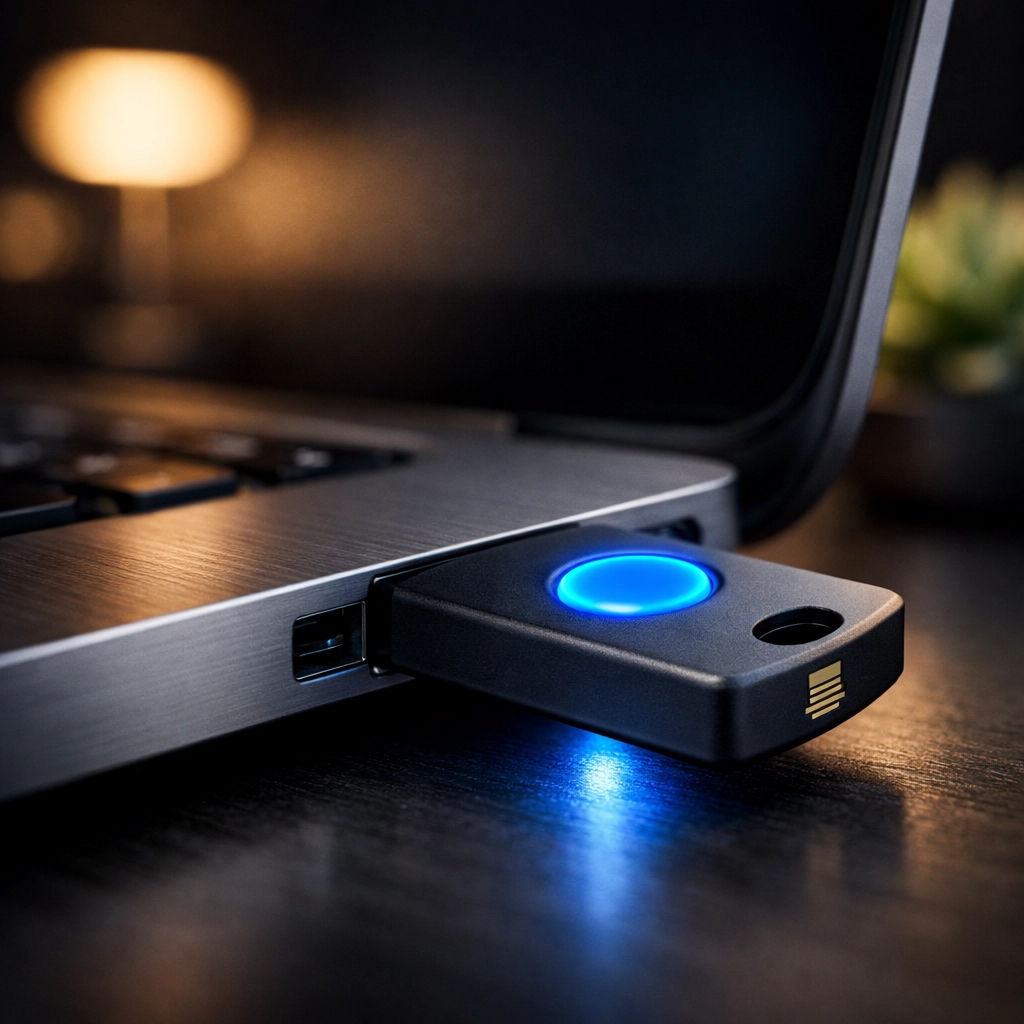
Move to Passkeys (FIDO2/WebAuthn)
Passkeys use public-key cryptography to replace passwords. Unlike a password, a passkey is never shared with the website’s server, making it immune to server-side breaches.
- Action: Audit every financial, email, and social account. If they support Passkeys, delete your password and move to a hardware-backed security key (like a YubiKey) or your device’s Secure Enclave.
- Technical Tip: Ensure your hardware key supports FIDO2. This prevents "Attestation" attacks where a malicious site tries to trick your browser into revealing your identity.
Phishing-Resistant MFA
If a site doesn't support Passkeys yet, do not use SMS or email for 2FA. These are susceptible to SIM swapping and session hijacking.
- The Standard: Use Time-based One-Time Passwords (TOTP) via an encrypted vault or, ideally, a hardware security key.
- The 2026 Risk: AI voice cloning can now bypass voice-based "security questions" at banks. Disable any "voice-as-my-password" features immediately.
2. Browser Hardening and Tracking Defense
In 2026, tracking has moved from "cookies" to "fingerprinting" and "entity recognition." Even if you clear your cache, your browser's unique combination of screen resolution, installed fonts, and GPU rendering patterns can identify you with 99% accuracy.
Global Privacy Control (GPC)
GPC is no longer a suggestion; it is a legally recognized signal in many jurisdictions. It tells every website you visit: "Do not sell or share my data."
- Action: Enable GPC in your browser settings (Brave, Firefox, and even Chrome now support this under pressure).
- Why it matters: In 2026, regulators are auditing backend logs to see if companies honored these signals. If a site ignores your GPC signal, they are in violation of updated CCPA/GDPR frameworks.
DNS over HTTPS (DoH)
Your ISP (Internet Service Provider) sees every domain you visit. They package this data and sell it to brokers.
- Technical Implementation: Set your DNS to a privacy-focused provider like Quad9 (9.9.9.9) or Cloudflare (1.1.1.1) and toggle DNS over HTTPS. This encrypts your DNS queries, preventing your ISP from logging your browsing habits.
3. The Data Broker "Clean Room" Strategy
Data brokers like Acxiom, CoreLogic, and Epsilon have likely built a 360-degree profile of you. This profile includes your home value, your credit score, your medical interests, and even your likely political leanings.
Automated Removal Services
Manual "Opt-Out" is a losing game. Data brokers scrape data daily; if you remove yourself today, you’ll be back on the list next month.
- Action: Use a continuous monitoring service (like DeleteMe, Incogni, or Mozilla Monitor Plus). These tools use "legal bots" to send repeated DMCA and CCPA removal requests.
- The 2026 Reality: Brokers are now using "Shadow Profiles" created by AI. Even if you don't have a Facebook account, your friends' contact uploads have created a profile for you. You must exercise your "Right to be Forgotten" via automated legal requests.
Dark Web Monitoring
It’s not enough to be "private"; you need to know when you’ve been "leaked."
- Action: Use a service that monitors breach repositories. If your data appears in a "Combolist" (a collection of leaked credentials), you must rotate your security keys and hardware tokens immediately.
4. AI-Specific Privacy: Protecting Your "Neural Footprint"
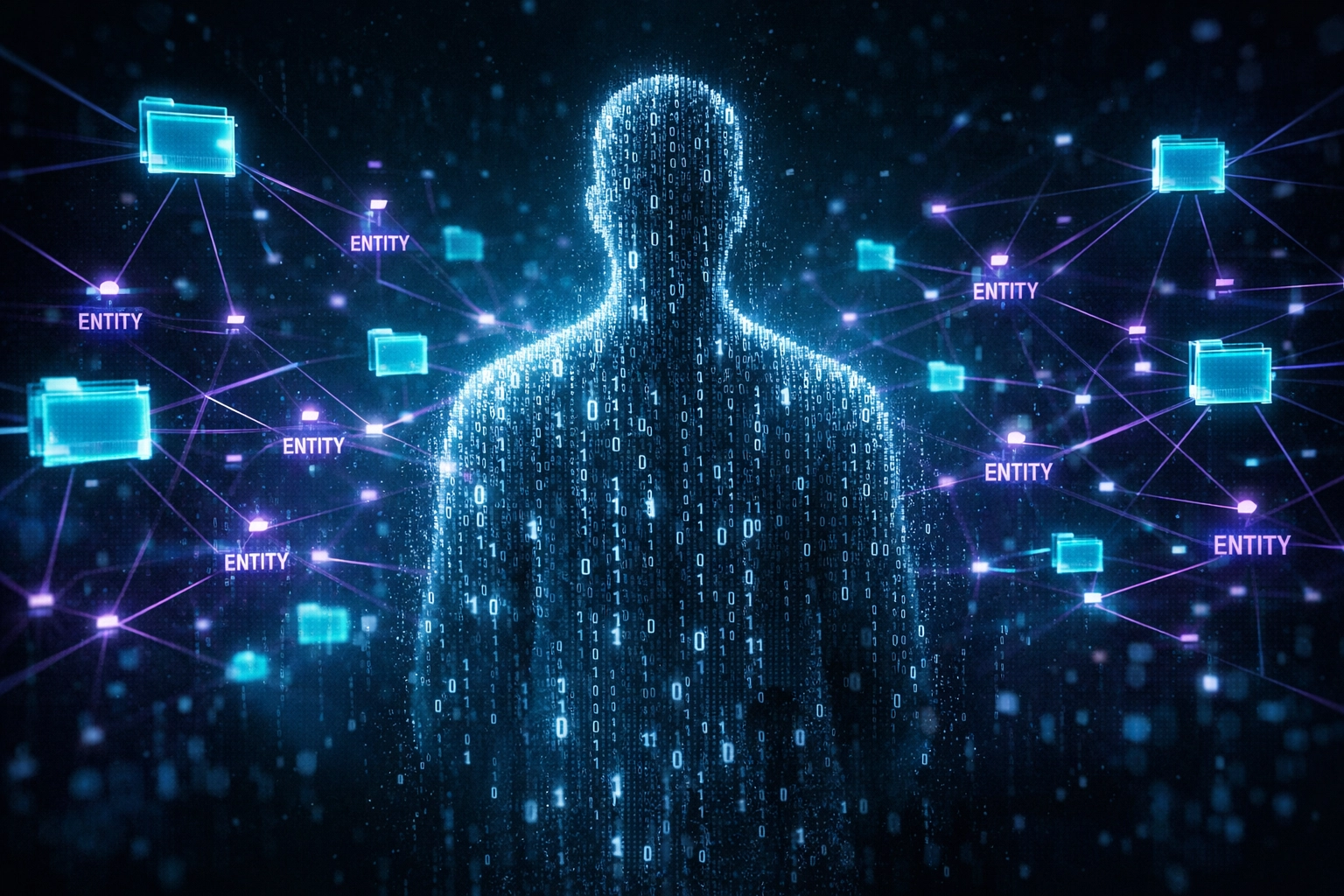
As we move deeper into 2026, the biggest threat to privacy is Generative AI Training. Your public posts, LinkedIn updates, and even your GitHub commits are being used to train LLMs (Large Language Models).
Opt-Out of Model Training
Companies like Meta, X (formerly Twitter), and Google have shifted to "Opt-Out" by default for AI training.
- Action:
- Meta: Go to "Privacy Center" -> "AI at Meta" and submit an objection form.
- X: Go to "Settings" -> "Privacy and Safety" -> "Grok" and uncheck data sharing.
- Google: Use "Results about you" to request the removal of personal info from AI-generated Search Generative Experience (SGE) results.
Managing Your "Digital Entity"
In the era of GEO (Generative Engine Optimization), AI bots categorize you as an "entity." If you are a professional, you want your entity to be accurate but not invasive.
- Privacy Hack: Use "Data Poisoning" or "Noise Generation." Occasionally search for things outside your niche or use tools that click on random ads to dilute the accuracy of your behavioral profile.
5. Network Architecture: Beyond the Basic VPN
In 2026, standard VPNs are often "choke points" for data. Many free VPNs are actually data harvesters in disguise.
Transition to Zero Trust Network Access (ZTNA)
For those working remotely, a VPN is legacy tech. ZTNA is the 2026 standard.
- How it works: Instead of giving you access to a whole network, ZTNA grants access only to specific applications based on your identity, device health, and location.
- Action: If you run a small business or a high-end home office, look into Tailscale or Cloudflare One. These use the WireGuard protocol, which is faster and more secure than OpenVPN.
Router-Level Defense
Protecting a phone is easy; protecting a "smart" fridge or a cheap IoT lightbulb is hard.
- Action: Install a hardware firewall (like Firewalla or a pfSense box) at the entry point of your home network. Use VLAN Segmentation to put your "dumb" IoT devices on a separate network from your primary computer and NAS.

6. The 2026 Privacy Checklist: Summary Table
| Category | Action Item | Technical Requirement |
|---|---|---|
| Identity | Replace passwords with Passkeys | FIDO2 Hardware Key |
| Browsing | Enable GPC Signals | Browser Settings |
| Network | Encrypt DNS Queries | DNS over HTTPS (DoH) |
| Data Control | Automate Broker Removal | Continuous Legal Monitoring |
| AI Defense | Opt-out of LLM Training | Platform-specific Objections |
| Hardware | IoT Segmentation | VLAN / Hardware Firewall |
7. Legal Rights: Using the Law as a Shield
Technical tools are half the battle; the other half is the legal framework. In 2026, privacy laws have expanded significantly.
- CCPA/CPRA (California): Gives you the right to correct inaccurate personal info and limit the use of "Sensitive Personal Information" (like your precise geolocation).
- GDPR (EU): The 2026 updates include stricter rules on "automated decision-making." You have the right to demand a human review if an AI denies you a loan or a job based on your data profile.
- Biometric Laws: If you use a "smart" doorbell or security camera, ensure you aren't inadvertently violating local biometric privacy laws (like Illinois' BIPA), which carry heavy fines for unauthorized face-scanning.
8. Final Thoughts: The Cost of Convenience
The biggest threat to your privacy isn't a hacker in a hoodie; it's the "convenience" of modern life. Every time you use "Sign in with Google," every time you accept "All Cookies," and every time you talk to a smart assistant without a physical mute switch, you are trading a piece of your digital sovereignty for a few seconds of saved time.
In 2026, privacy is a luxury, but it is also a right that must be defended with technical rigor. Start with the Passkeys. Move to a hardware firewall. Opt-out of the AI training loops. It takes effort, but the alternative: a world where your digital twin is owned by a corporation: is far more costly.
About the Author: Malibongwe Gcwabaza
Malibongwe Gcwabaza is the CEO of "blog and youtube," a leading digital strategy firm specializing in the intersection of AI, cybersecurity, and content systems. With over a decade of experience in tech infrastructure, Malibongwe focuses on making complex cybersecurity concepts accessible to small business owners and digital creators. When he’s not auditing data flows or testing the latest ZTNA protocols, he’s advocating for digital sovereignty and ethical AI governance. He believes that in the age of automation, human privacy is our most valuable asset.
About the Author


