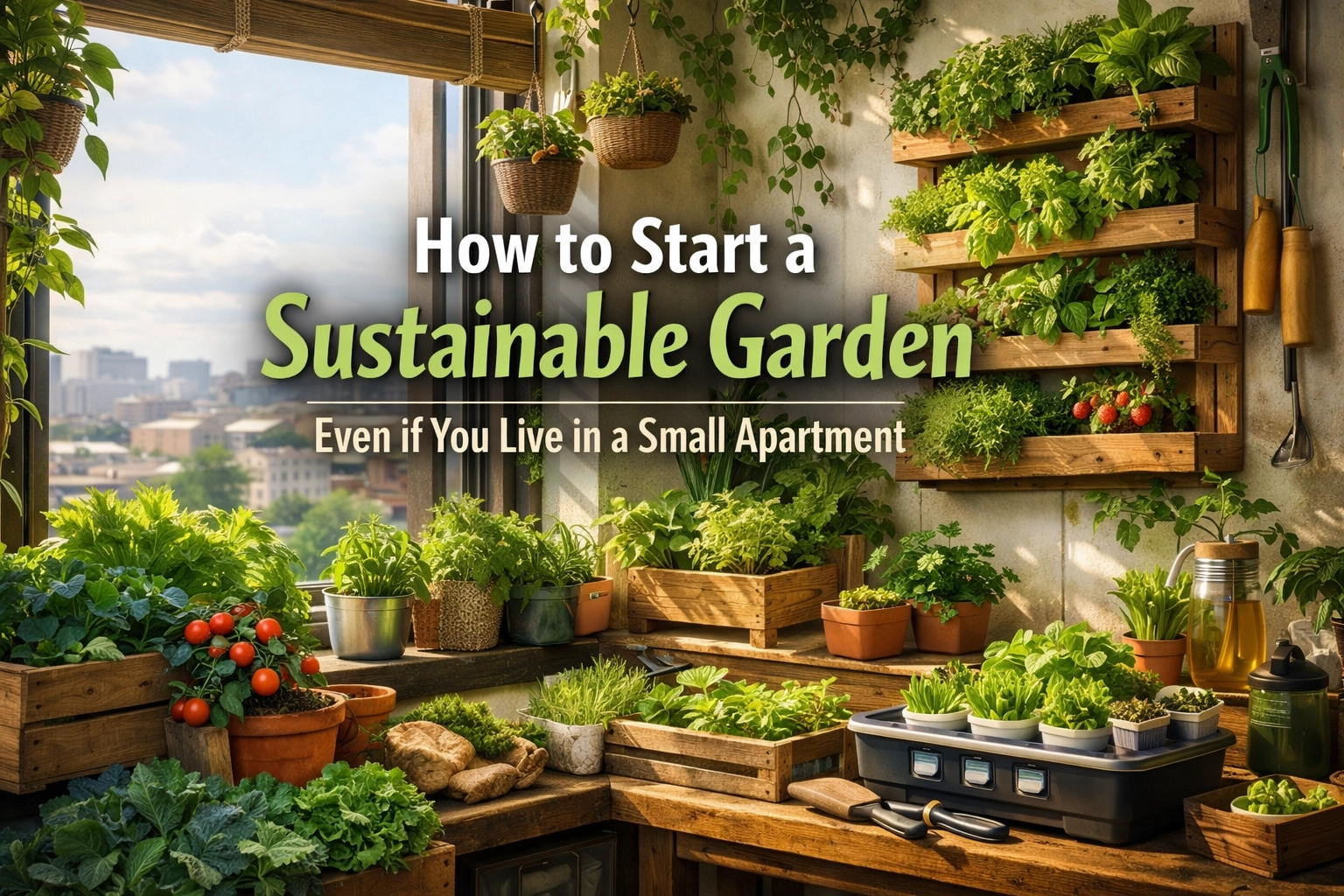
Urbanization is accelerating, with nearly 70% of the global population expected to live in cities by 2050. This shift creates a significant "food mile" problem: the distance food travels from farm to plate: which accounts for approximately 19% of total food-system emissions. For the apartment dweller, sustainability isn't just about recycling plastic; it’s about transforming underutilized square footage into a functional, circular ecosystem.
Starting a sustainable garden in a small apartment requires more than just a few pots on a windowsill. It demands an understanding of light physics, nutrient cycling, and space optimization. This guide moves beyond basic "plant a seed" advice to explore the technical frameworks necessary to maintain a high-yield, low-impact indoor garden.
Engineering the Environment: Light and Microclimates
The most significant constraint in apartment gardening is the lack of "usable" light. Most indoor plants require a specific range of Photosynthetically Active Radiation (PAR), typically measured in micromoles per square meter per second (µmol/m²/s).
Measuring Photosynthetic Photon Flux Density (PPFD)
In a typical north-facing apartment, the light levels might hover around 50–100 µmol/m²/s, which is sufficient for low-light foliage but inadequate for caloric crops like cherry tomatoes or peppers, which require 400–600 µmol/m²/s.
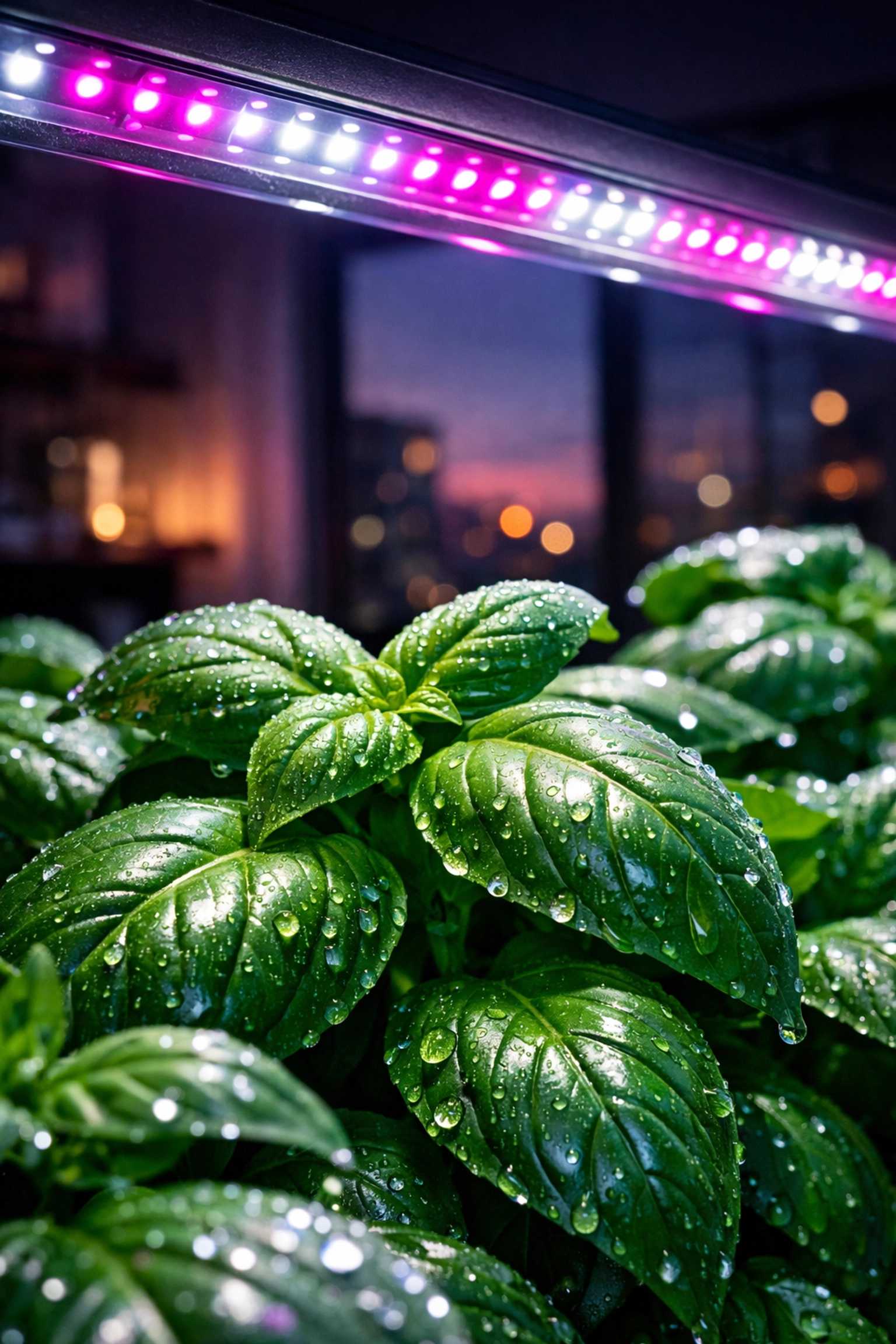
To be truly sustainable, avoid high-wattage, inefficient incandescent bulbs. Instead, utilize full-spectrum LED grow lights. These are engineered to provide the blue (400-500nm) and red (600-700nm) peaks necessary for vegetative growth and flowering, respectively. For a sustainable setup, look for LEDs with high efficacy (measured in µmol/J). A high-quality LED system can produce 2.5 µmol of light for every joule of energy, significantly reducing your carbon footprint compared to older HPS (High-Pressure Sodium) systems.
Managing the Daily Light Integral (DLI)
Sustainability is also about energy efficiency. Use a smart timer to manage your Daily Light Integral (DLI): the total amount of light a plant receives in a 24-hour period. For leafy greens, a DLI of 12–15 mol/m²/day is optimal. If your window provides 4 hours of natural sun, you only need to supplement with LEDs for 6–8 hours, rather than keeping lights on for a full 16-hour cycle.
Substrate Science: Moving Beyond Peat
Traditional potting soils often rely on peat moss. Peatlands are massive carbon sinks, and harvesting peat releases significant CO2 into the atmosphere. For a truly sustainable apartment garden, you must choose peat-free alternatives.
- Coconut Coir: A byproduct of the coconut industry, coir has excellent water retention and a neutral pH. It is a renewable resource that provides a stable structure for root development.
- Biochar: Integrating 5-10% biochar into your soil mix can increase nutrient retention (Cation Exchange Capacity) and provide a permanent home for beneficial microbes. Biochar also sequesters carbon, making your garden a literal carbon sink.
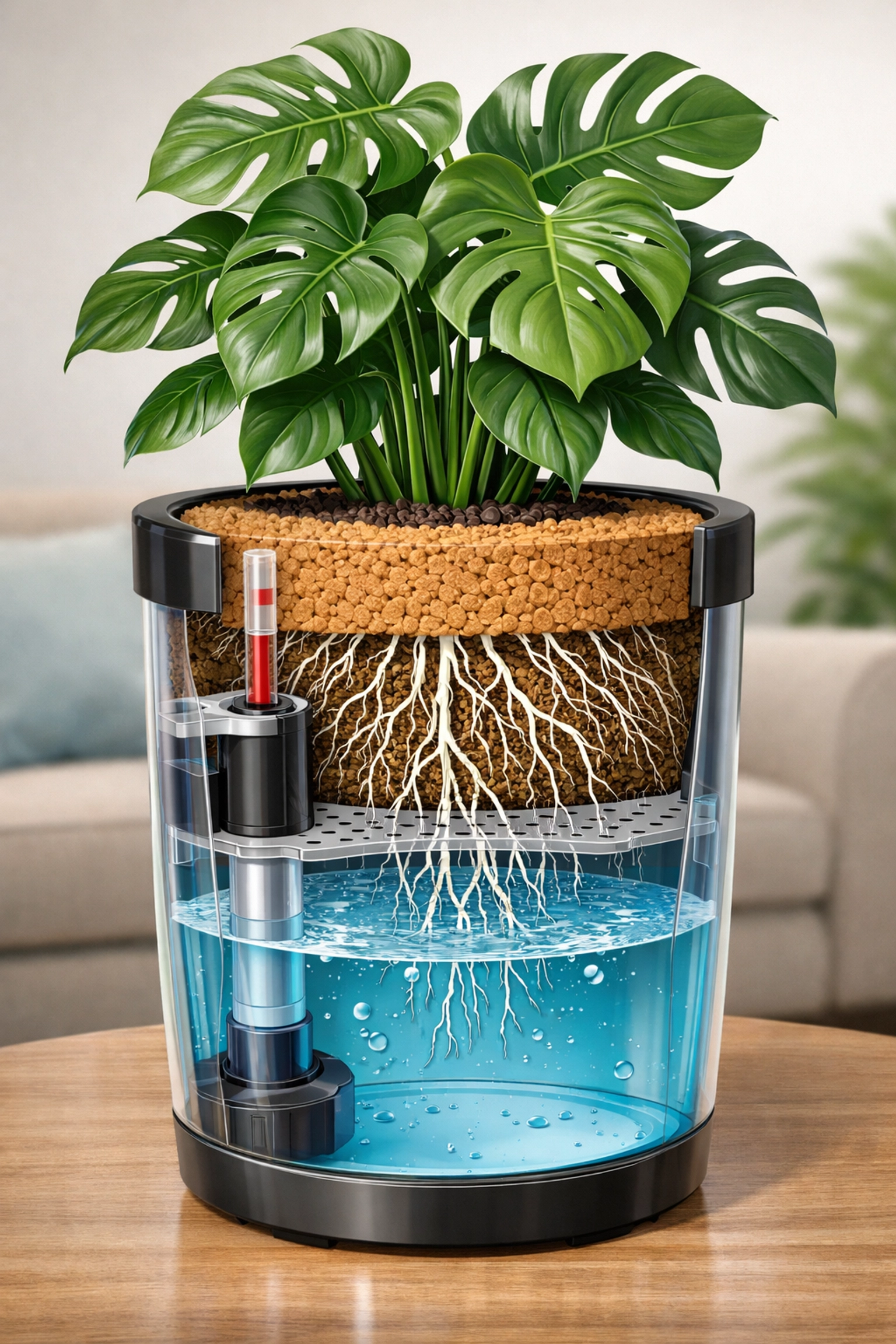
- Expanded Clay Pellets (LECA): For hydroponic or semi-hydroponic setups, LECA is reusable indefinitely. Sterilize them between plantings to maintain a sterile, waste-free growing medium.
High-Density Space Optimization: Vertical and Hydroponic Systems
In a 500-square-foot apartment, horizontal space is a premium. The solution lies in verticality and "soilless" cultivation.
Vertical Hydroponics (Nutrient Film Technique)
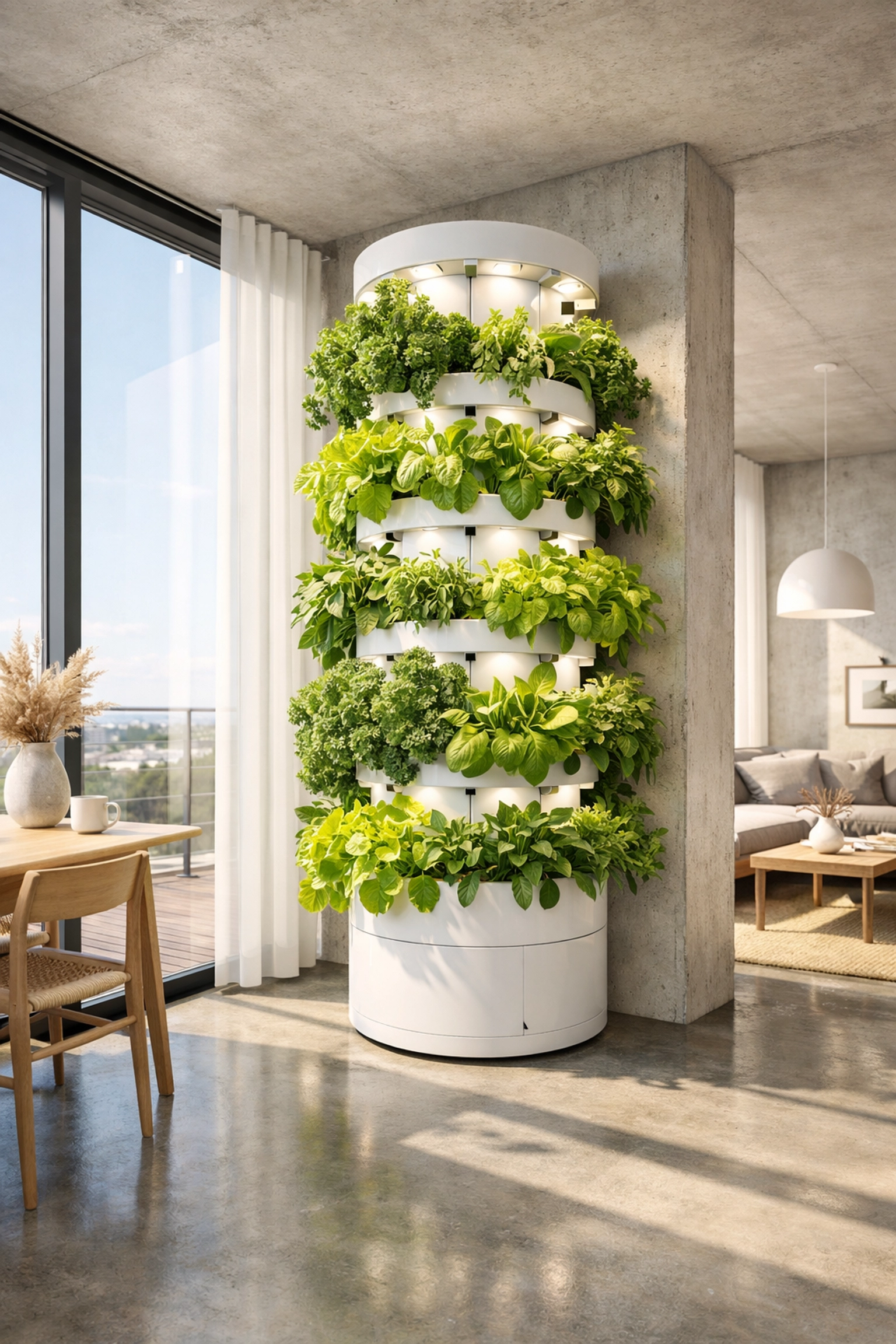
A Nutrient Film Technique (NFT) system uses a constant flow of nutrient-rich water over plant roots. In an apartment, you can build a vertical PVC or food-grade plastic tower. This method uses 90% less water than traditional soil-based gardening because the water is recirculated in a closed-loop system.
The Kratky Method: Passive Hydroponics
For those who want to minimize electricity use, the Kratky method is the pinnacle of sustainable simplicity. It requires no pumps or electricity. You place a plant in a net pot suspended over a reservoir of nutrient solution. As the plant grows, it consumes the water, creating an air gap that allows the roots to access oxygen. This is ideal for leafy greens like Bibb lettuce and bok choy.
Circular Waste Management: Indoor Composting
A sustainable garden isn't truly sustainable if you’re still buying synthetic fertilizers derived from fossil fuels. You must close the nutrient loop by processing your kitchen scraps.
Bokashi Fermentation
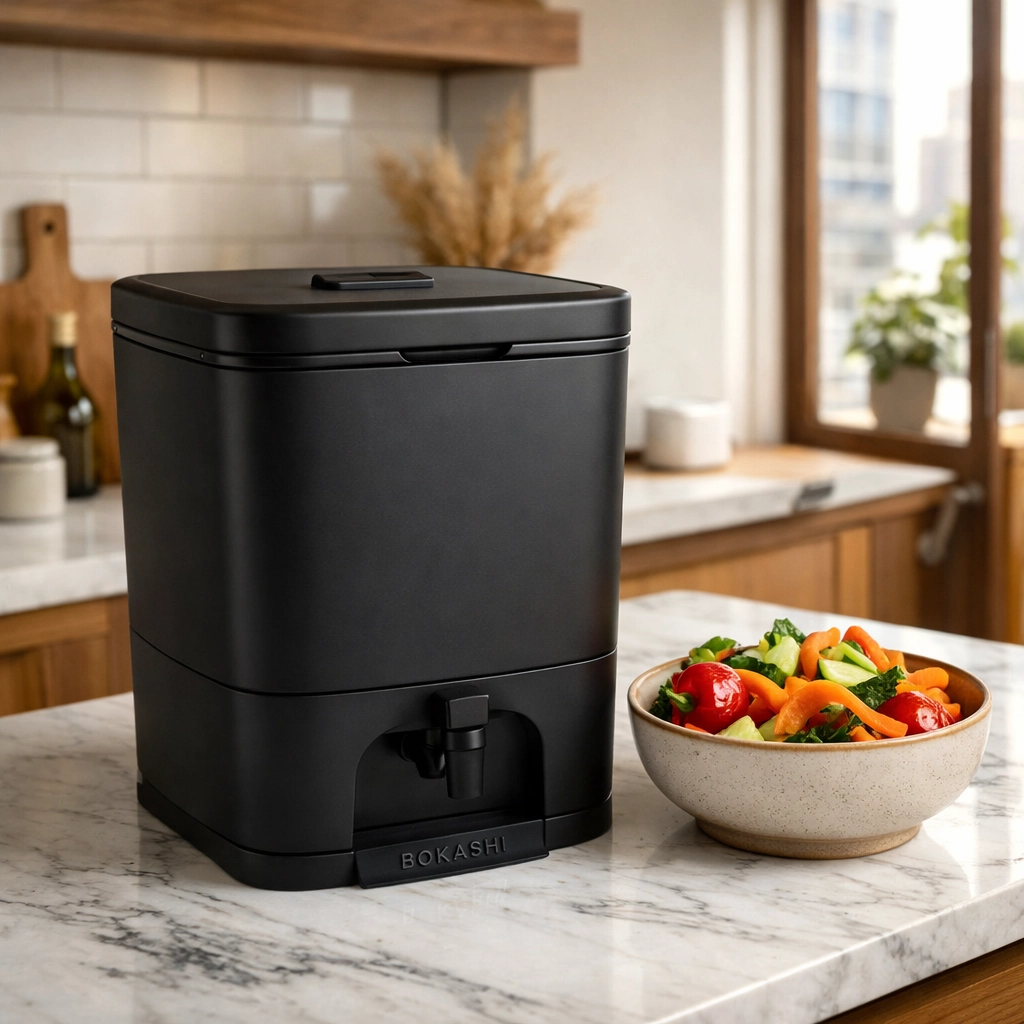
Standard composting is often impossible in an apartment due to odors and space requirements. Bokashi, a Japanese fermentation method, is the urban solution. It uses an anaerobic process catalyzed by "Effective Microorganisms" (EM).
- The Process: You place all food waste (including dairy and meat, which are usually no-nos for composting) into an airtight bucket and sprinkle Bokashi bran over it.
- The Result: In two weeks, the waste is fermented. The liquid byproduct ("Bokashi tea") is a potent, diluted fertilizer. The fermented solids can be buried in a "soil factory" (a simple tote with old soil) to create nutrient-dense compost for your indoor pots.
Vermicomposting (Worm Bins)
Red wiggler worms can process about half their body weight in organic waste daily. A well-managed worm bin is odorless and produces "black gold": worm castings. These castings are rich in humic acid and beneficial bacteria that stimulate plant growth and suppress pathogens naturally.
Selecting Crops for Maximum ROI
In a limited space, you must prioritize crops that provide the highest nutritional or financial "Return on Investment." Growing potatoes in an apartment is a poor use of space; growing microgreens and herbs is a masterstroke.
| Crop Category | Example | Technical Benefit | Sustainability Factor |
|---|---|---|---|
| Microgreens | Radish, Pea Shoots | Harvest in 7-14 days | Minimal substrate used; high nutrient density. |
| Cut-and-Come-Again | Kale, Arugula | Continuous harvest from one plant | Reduces seed waste and transport emissions. |
| Nitrogen Fixers | Bush Beans | Adds nitrogen to soil via nodules | Reduces need for external fertilizers. |
| Pollinator Supports | Marigolds, Alyssum | Integrated Pest Management (IPM) | Attracts beneficial insects if you have a balcony. |
Water Management and Gray Water Recycling
Water scarcity is an increasing concern. Even in an apartment, you can implement sustainable water practices.
- Self-Watering Reservoirs: Use sub-irrigation planters (SIPs). These prevent evaporation and ensure water goes directly to the roots, reducing usage by up to 50% compared to top-watering.
- Gray Water Usage: Water used to wash vegetables or boil pasta (unsalted and cooled) is rich in starches and micronutrients. Instead of pouring it down the drain, use it to water your garden.
- Condensation Collection: If you run an air conditioner or dehumidifier, the condensate is essentially distilled water. While it lacks minerals, it is perfect for misting tropical plants or diluting concentrated liquid fertilizers.
Biological Pest Management
Avoid chemical pesticides, which disrupt indoor air quality and kill beneficial microbes. Instead, utilize a "Prevention First" strategy.
- Neem Oil and Potassium Soap: Use these for soft-bodied insects like aphids or spider mites. They are biodegradable and non-toxic to humans.
- Yellow Sticky Traps: These act as an early-warning system for fungus gnats, which are common in indoor soil.
- Bacillus thuringiensis israelensis (BTI): A naturally occurring bacterium that targets gnat larvae without harming the plant or the environment.
The Economics of Sustainable Urban Gardening
While the initial setup for LEDs and hydroponic kits can be high, the long-term sustainability is evidenced by the reduction in grocery bills and waste. A single 10" x 20" tray of microgreens can produce up to 1.5 lbs of nutrient-dense greens every two weeks. At retail prices, this represents a $20–$30 value, paying off the energy and seed costs within months.
Furthermore, the mental health benefits of "biophilia": our innate tendency to seek connections with nature: have been shown to increase productivity and reduce cortisol levels. In a remote-work era, a sustainable garden is an investment in both the planet and your personal performance.
Step-by-Step Transition Guide
- Audit Your Light: Use a light meter app to find your "Brightest Spot."
- Choose Your Method: Start with the Kratky method for greens if you're a beginner, or Bokashi if your priority is waste reduction.
- Source Sustainably: Buy heirloom, organic seeds and peat-free substrates.
- Close the Loop: Start a small-scale compost system immediately to feed your second generation of plants.
Sustainable apartment gardening is a technical discipline that bridges the gap between urban living and environmental stewardship. By optimizing photons, recycling nutrients, and selecting high-yield crops, you turn your living space into a productive node of the green revolution.
About the Author: Malibongwe Gcwabaza
Malibongwe Gcwabaza is the CEO of blog and youtube, a platform dedicated to demystifying complex technologies and sustainable practices for the modern professional. With a background in operations and a passion for urban resilience, Malibongwe focuses on how AI and smart systems can be leveraged to create more self-sufficient, eco-friendly lifestyles. Under his leadership, the company has become a leading voice in the intersection of digital growth and environmental sustainability, encouraging thousands of urban dwellers to reclaim their connection to the food system.
About the Author


