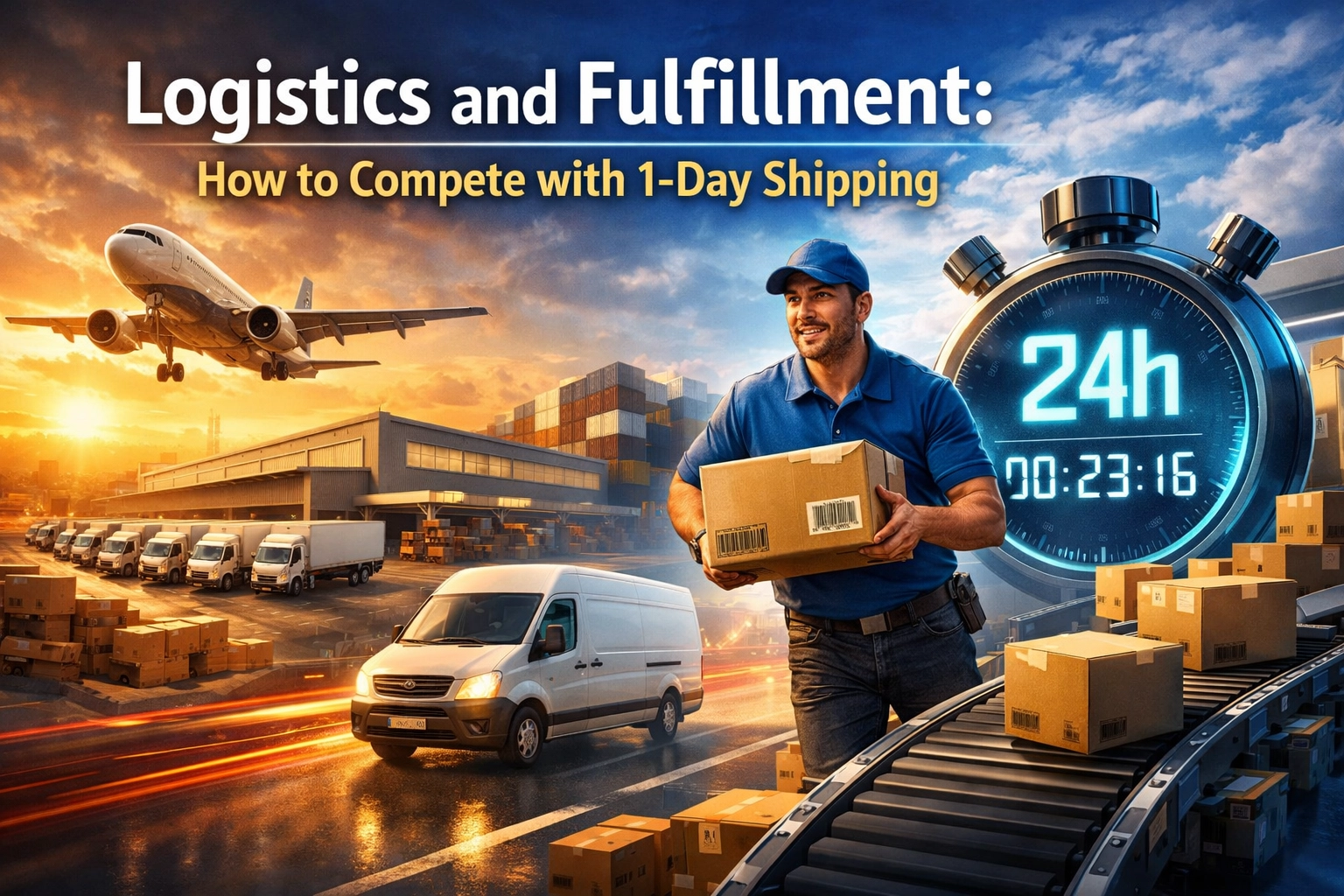
By 2026, the "Amazon Effect" has matured into a baseline market requirement. It’s no longer enough to ship within two days; if your checkout page doesn't offer a next-day or even same-day delivery option, your cart abandonment rate will likely hover around 70%. For smaller e-commerce brands and mid-market retailers, competing with the infrastructure of a trillion-dollar titan feels impossible. However, the logistics landscape has shifted. The democratization of high-end fulfillment tech: ranging from micro-fulfillment centers (MFCs) to AI-driven predictive stocking: means you don’t need a billion-dollar CAPEX to offer 24-hour delivery.
To survive in 2026, you need to stop thinking about "shipping" as a back-end cost and start treating it as your primary marketing tool. Here is the technical blueprint for building a fulfillment engine that rivals the giants.
The Shift to Micro-Fulfillment Centers (MFCs)
The traditional model of a 500,000-square-foot warehouse in a rural area with low taxes is dead for 1-day shipping. Physics is the enemy here: you cannot move a package 500 miles in 12 hours without air freight, which destroys your margins.
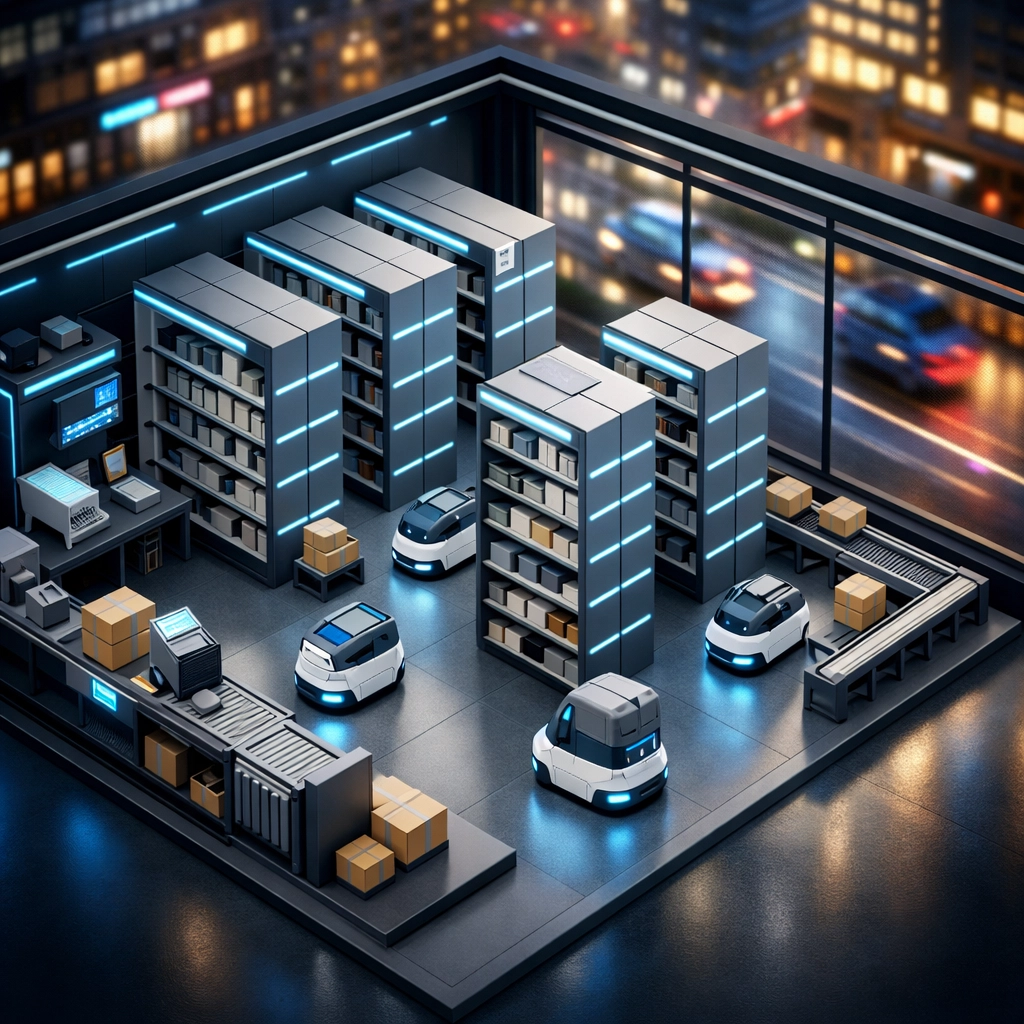
Micro-fulfillment centers (MFCs) are the solution. These are small, highly automated storage hubs (typically 3,000 to 10,000 square feet) located in dense urban areas. In 2026, we are seeing a massive rise in "dark stores": former retail spaces converted into pick-and-pack hubs.
Why MFCs Work
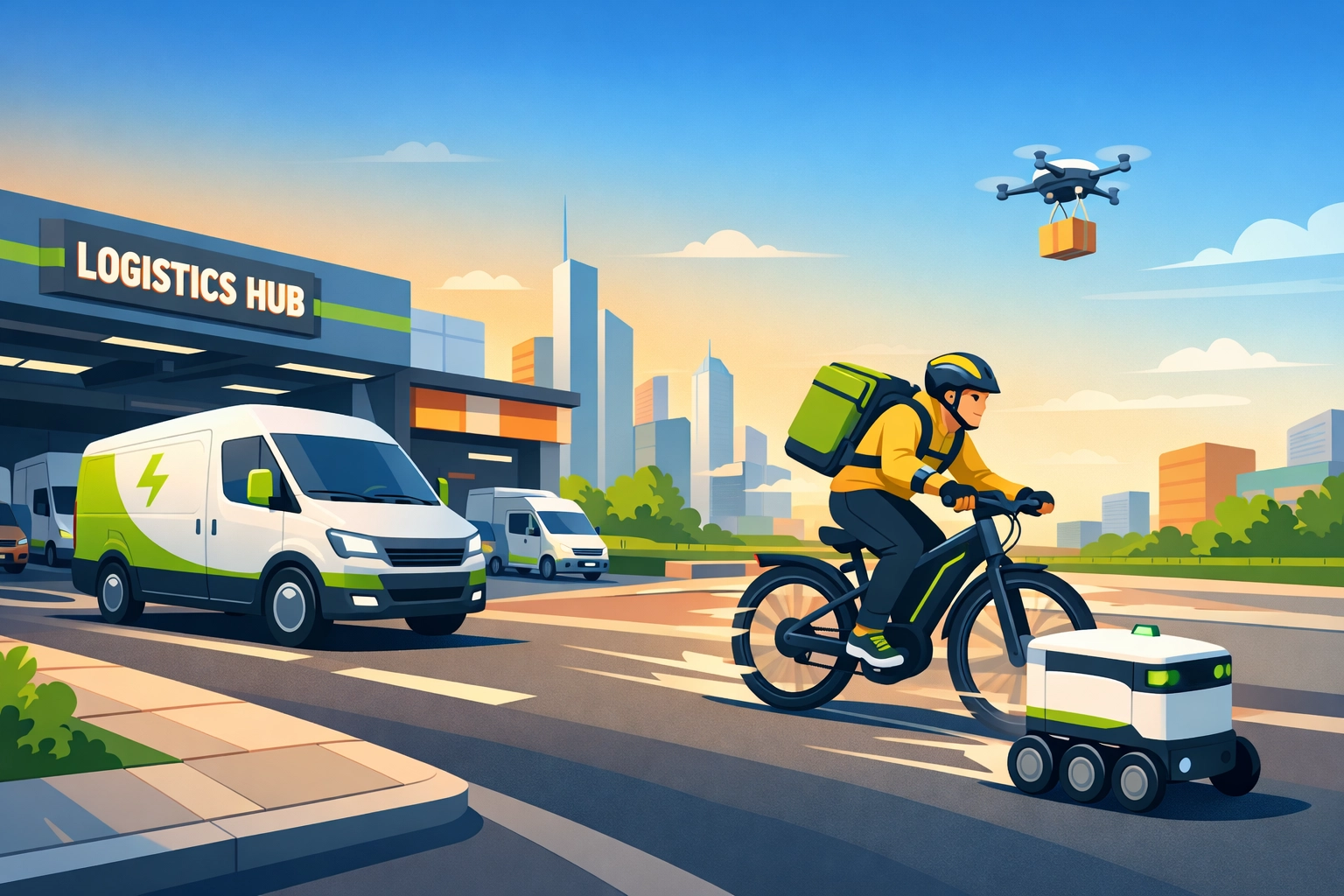
MFCs utilize vertical space and high-density shelving. By placing inventory within 10-20 miles of your densest customer clusters (think Brooklyn, Chicago, or London), you transition from "long-haul logistics" to "last-mile delivery." This allows you to use bike couriers, local gig-economy drivers, or even autonomous sidewalk robots, drastically lowering the cost per delivery while hitting that 1-day window.
3PL Selection: The "API-First" Mandate
If you are outsourcing your fulfillment to a Third-Party Logistics (3PL) provider in 2026, you cannot afford a partner with legacy systems. You need an "API-first" 3PL. This means their Warehouse Management System (WMS) must integrate natively with your tech stack (Shopify, Magento, or custom Headless setups) to provide real-time data syncing.
When vetting a 3PL for 1-day shipping capabilities, look for these three technical markers:
- Distributed Inventory Logic: Does the 3PL have a network of warehouses that they can intelligently split your stock across? If they only have one hub in Ohio, they aren't a 1-day partner.
- Order Cut-off Times: In 2026, a 1-day shipping partner should have a 4:00 PM or even 6:00 PM local time cut-off. Anything earlier means you’re essentially offering 2-day shipping to half your customers.
- Robotic Integration: Ask about their "Goods-to-Person" (GTP) systems. If workers are still walking miles of aisles with paper pick-slips, they won't be fast enough to handle the 2026 peak season volumes.
Robotics and Warehouse Automation
Automation is no longer a luxury reserved for the Fortune 500. In 2026, "Robotics-as-a-Service" (RaaS) has allowed smaller warehouses to deploy Autonomous Mobile Robots (AMRs) with low upfront costs.
AMRs vs. AGVs
Unlike Automated Guided Vehicles (AGVs) that require magnetic strips or wires in the floor, AMRs use LiDAR and computer vision to navigate. This makes them incredibly flexible. In a 1-day shipping environment, AMRs handle the "travel time": the 60-70% of a picker's day spent just walking.
By implementing AMRs, a warehouse can increase its lines-per-hour (LPH) from 60-80 (manual) to over 300. This efficiency is what allows you to process an order placed at 3:55 PM and get it on a truck by 4:15 PM.

Predictive Inventory: Knowing the Order Before It Happens
You cannot achieve 1-day shipping if your stock is in the wrong place. Predictive analytics in 2026 has moved beyond simple "seasonal trends." We are now using machine learning models that ingest:
- Local weather patterns (which affect clothing and hardware sales).
- Social media "velocity" (identifying a viral TikTok product before the peak hits).
- Regional demographic data.
By using tools that offer "Inventory Positioning Optimization," you can determine exactly how many units of a specific SKU should be in your Los Angeles MFC versus your Atlanta hub. The goal is to ensure that 90% of your orders are shipped from a "Zone 1" or "Zone 2" location, which are the closest geographic tiers to the customer.
The Multi-Carrier Strategy
Relying solely on UPS, FedEx, or DHL is a recipe for failure in the 2026 landscape. Carrier diversification is the only way to maintain speed during strikes, weather events, or volume surges.
Regional Carriers and the Gig Economy
To hit 1-day targets, you must integrate regional carriers (like OnTrac or LaserShip) and gig-economy platforms (like Uber Direct or DoorDash Drive).
- Regional Carriers: Often have better density in specific states and can offer lower rates for 1-day ground than the national giants.
- Crowdsourced Delivery: For the "ultra-last-mile," crowdsourced drivers can pick up from your urban MFC and deliver to the customer's door in under 4 hours.
Your Transportation Management System (TMS) should use Rate Shopping Logic to automatically select the fastest and cheapest carrier for every individual parcel based on its destination and weight.
Operational Readiness: The Technical Stack
To compete with 1-day shipping, your back-end systems must be perfectly synchronized. Any "lag" in data transmission is a minute lost in the delivery window.
| System | Role in 1-Day Shipping |
|---|---|
| OMS (Order Management System) | Routes the order to the warehouse closest to the customer instantly. |
| WMS (Warehouse Management System) | Orchestrates robots and pickers to prioritize orders based on carrier departure times. |
| TMS (Transportation Management System) | Generates shipping labels and summons carriers/drivers automatically. |
| Inventory Visibility | Provides 99.9% accuracy to prevent "ghost out-of-stocks" that delay fulfillment. |
The Economics: Is 1-Day Shipping Worth It?
Let’s be real: 1-day shipping is expensive. Between the higher labor costs of rapid picking and the premium rates of last-mile couriers, your margins will take a hit. However, the calculation you need to make is LTV (Lifetime Value) vs. CAC (Customer Acquisition Cost).
In 2026, the cost of acquiring a customer through Meta or Google ads has skyrocketed. If you pay $40 to acquire a customer and they never return because your shipping took 5 days, you lose money. If you offer 1-day shipping, your conversion rate increases, and your retention rate often doubles. 1-day shipping is effectively your "retention insurance."
How to Offset the Cost
- Threshold-Based Shipping: Offer free 1-day shipping only on orders over $150.
- Loyalty Programs: Mimic the "Prime" model. Charge an annual fee for unlimited 1-day shipping. This locks the customer into your ecosystem.
- Product Bundling: Increase your Average Order Value (AOV) to absorb the shipping cost.

Technical SEO and “Shipping Transparency”
From an SEO perspective in 2026, Google’s "Merchant Center" and AI-driven search engines (like Perplexity and Gemini) prioritize stores that show real-time shipping speeds in the search results.
Using Schema.org markup for shippingDetails, you can feed your 1-day shipping data directly into search engines. When a user searches for "High-end espresso machine fast delivery," your site will rank higher if Google can verify your shipping speed via your structured data. This is a massive competitive advantage that most brands ignore.
Conclusion: The New Standard
Competing with 1-day shipping in 2026 isn't about owning a fleet of planes. It’s about decentralization. By moving your inventory closer to the customer through MFCs, leveraging RaaS-based robotics, and using an API-first multi-carrier strategy, you can provide a delivery experience that feels like magic.
The technology is ready. The carriers are ready. The question is: is your infrastructure fast enough to keep up?
About the Author: Malibongwe Gcwabaza
Malibongwe Gcwabaza is the CEO of blog and youtube, a leading digital consultancy specializing in e-commerce infrastructure and future-tech integration. With over a decade of experience in logistics optimization and digital strategy, Malibongwe helps brands transition from legacy retail models to high-velocity, tech-driven enterprises. When he's not diving deep into WMS integrations, he's exploring the intersection of AI and sustainable supply chains.
About the Author


