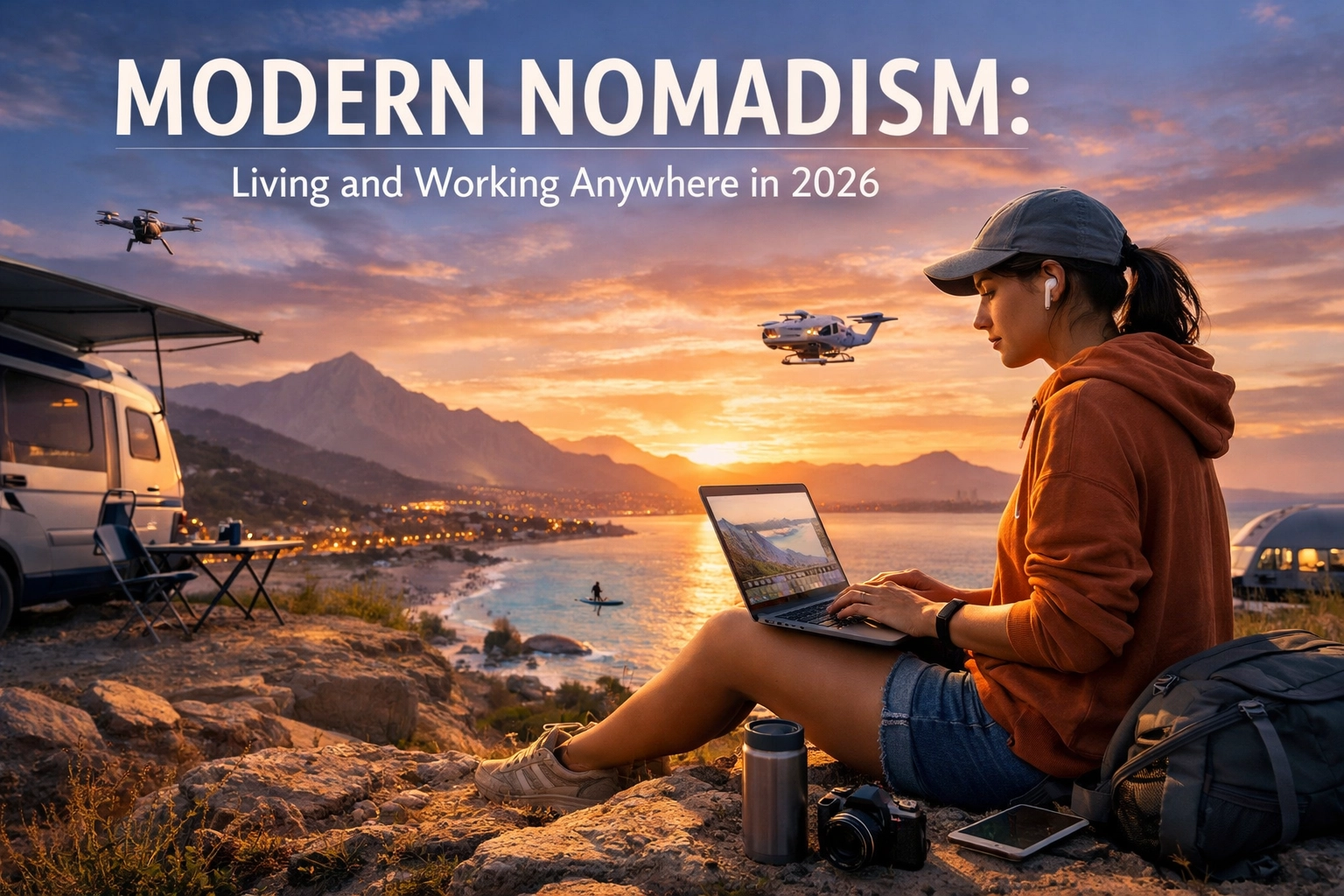
The image of a digital nomad sitting on a Bali beach with a laptop is officially a relic of 2019. By 2026, the "perpetual backpacker" archetype has been replaced by a more sophisticated, intentional, and technically savvy professional. We’ve moved past the era of "escaping the 9-to-5" and entered the era of "designing a global life."
In 2026, nomadism isn't just about where you work; it’s about how you integrate with local economies, manage complex tax jurisdictions, and leverage high-speed infrastructure in places that were once considered "off the grid." Whether you are a solo developer, an AI prompt engineer, or a remote executive, the landscape of location independence has shifted from a fringe lifestyle to a multi-billion dollar industry supported by governments and tech giants alike.
The Rise of the "Slowmad": Quality Over Velocity
One of the most significant shifts we’ve seen over the last two years is the death of "country hopping." In the early 2020s, the goal was often to see as many countries as possible in a year. Today, the "Slowmad" trend dominates.
Recent data suggests that while 48% of nomads still move every few weeks, the most successful and highest-earning cohort now stays in a single location for 3 to 12 months. This shift is driven by three factors:
- Productivity Optimization: Constant travel is a logistical nightmare that kills deep work. Staying put allows for a routine that supports high-level professional output.
- Community Integration: "Nomad burnout": the feeling of isolation despite being surrounded by people: is real. Staying longer allows for genuine friendships and local immersion.
- Cost Efficiency: Monthly rentals are significantly cheaper than weekly ones, and "Slowmads" can negotiate directly with landlords, bypassing the 15-25% markups found on major booking platforms.

The Visa Wars: 70+ Countries Competing for Your Talent
In 2026, your passport is less of a barrier and more of a menu. Over 70 countries now offer specific Digital Nomad Visas (DNVs). However, the "gold rush" of 2023 has matured into a complex regulatory environment.
Governments have realized that nomads aren't just tourists; they are high-value residents who contribute to the local economy without taking local jobs. We are seeing a fierce competition between emerging hubs like Kenya, Slovenia, and Moldova to attract tech talent.
Navigating the Tax Residency Trap
The technical reality of 2026 nomadism involves understanding the "183-day rule." Many nomads are finding that while a DNV grants them the right to live in a country, it may also trigger tax residency. Leading nomads now employ "Tax Optimizers": AI-driven tools that track their physical presence and notify them when they are approaching a tax threshold in a specific jurisdiction.
For example, countries like Slovenia have introduced tiered tax incentives for remote workers, while others like Dubai continue to offer 0% personal income tax, making them "administrative hubs" for nomads who spend the rest of their year in more expensive European or Asian cities.
Beyond the Hubs: The Migration to Second-Tier Cities
The "Instagram-famous" hubs of 2022: Canggu, Lisbon, and Medellin: have become victims of their own success. Gentrification, skyrocketing rents, and overcrowded coworking spaces have pushed the 2026 nomad toward "Alternative Hubs."
- Belgrade instead of Barcelona: Offering a fraction of the cost with a burgeoning tech scene and world-class nightlife.
- Da Nang instead of Bali: Better infrastructure, faster internet, and a more authentic local culture that hasn't been completely overwritten by "influencer" cafes.
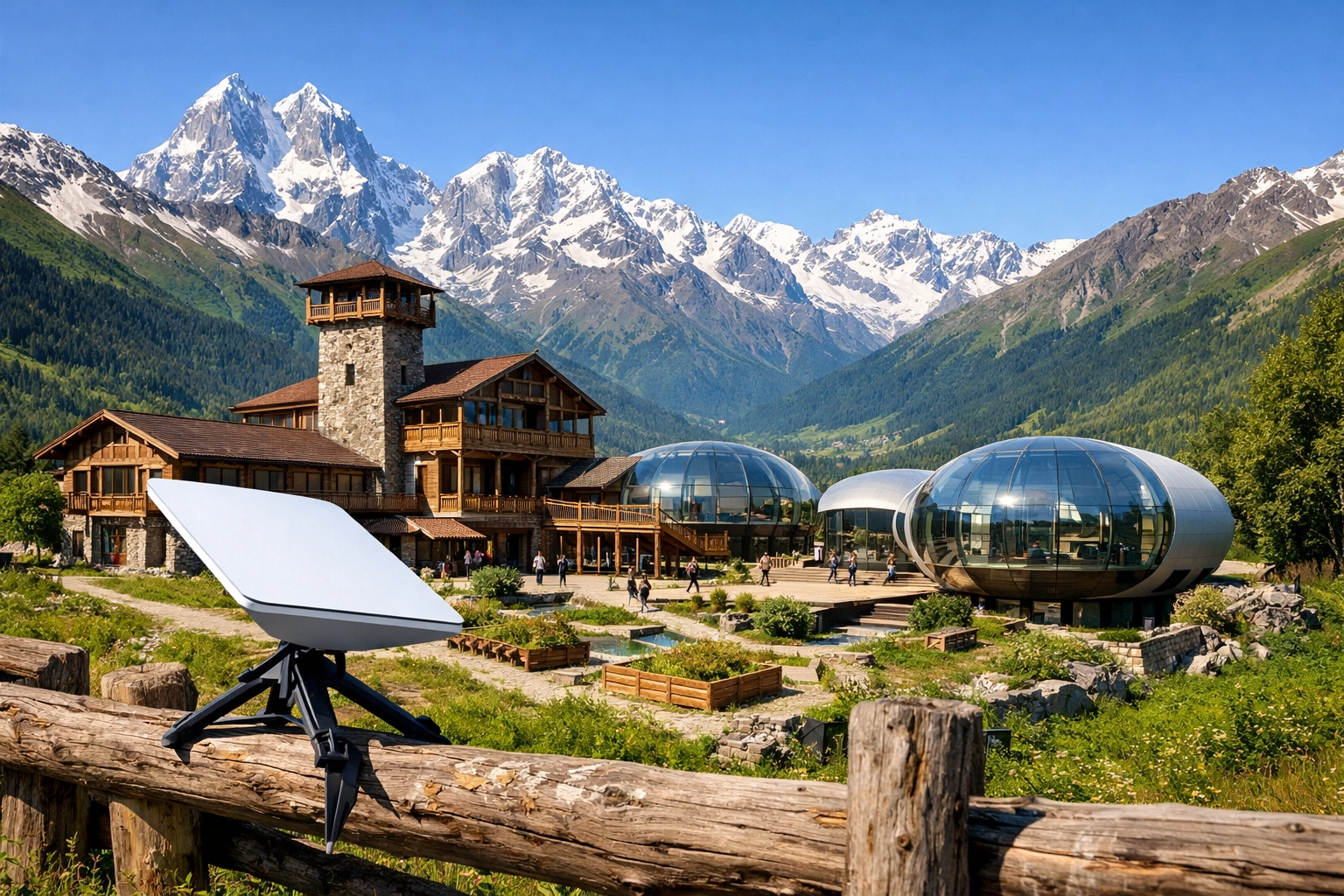
- Rural Innovation Hubs: We are seeing the rise of "Village Coliving." These are high-speed fiber-optic hubs located in the Italian Alps, the Japanese countryside, or the mountains of Georgia (the country).
These rural hubs are specifically designed for the "Deep Work" era. They offer Starlink V3 connectivity, ergonomic workstations, and community-driven social structures, allowing nomads to enjoy nature without sacrificing 10Gbps upload speeds.
The 2026 Tech Stack: Starlink, AI, and the Sovereignty Kit
Living anywhere requires a robust technical foundation. The "Sovereignty Kit" of a 2026 nomad includes:
1. Ubiquitous Connectivity
With the full deployment of satellite mega-constellations, "dead zones" are virtually non-existent. Most nomads now carry a portable satellite terminal no larger than a tablet, ensuring that even if local infrastructure fails, their connection to the global market remains uninterrupted.
2. The AI Force Multiplier
The most successful nomads in 2026 are "Solopreneurs" leveraging AI. We’ve seen a massive spike in roles like AI Content QA and Automation Scripting. By using AI to handle 80% of administrative and repetitive tasks, nomads are maintaining six-figure incomes while working 20-hour weeks, giving them the freedom to actually explore the locations they live in.
3. Global Financial Rails
Traditional banking is too slow for the nomad. The 2026 nomad uses decentralized financial (DeFi) protocols and multi-currency neo-banks that allow for instant settlement of invoices across borders. Rental arbitrage: renting out a "home base" property via AI-managed platforms while traveling: has become a primary passive income stream for many.
Community as Infrastructure
The greatest challenge of 2026 isn't internet speed; it’s loneliness. As a result, Coliving 2.0 has emerged. These aren't just hostels for adults. They are curated professional environments where residents are vetted based on their skills and interests.
Professional colivings now offer:
- Skill-Sharing Circles: Weekly masterminds where a developer might teach a marketer Python, and the marketer helps the developer with a product launch.
- Local Immersion Coordinators: Dedicated staff whose job is to connect nomads with local NGOs, businesses, and cultural events to prevent the "expat bubble" effect.
- Mental Health Support: Access to remote-first therapy and wellness programs tailored to the unique stresses of a rootless lifestyle.

Sustainability and Ethical Nomadism
The "extractive" model of nomadism: where workers go to a cheap country, spend as little as possible, and leave: is being replaced by "Regenerative Nomadism."
In 2026, the community places a high social value on:
- Overland Travel: Frequent short-haul flights are being replaced by high-speed rail and "slow sea" travel. Transatlantic and transpacific "Nomad Cruises" have become annual networking events.
- Local Business Support: Nomads are increasingly shunning international chains in favor of local markets and family-owned businesses, often using local-currency apps to avoid high conversion fees that strip value from the host economy.
- Eco-Nomadism: A preference for accommodations that utilize solar power, gray-water recycling, and sustainable building materials.
Career Trends: Who is Nomading in 2026?
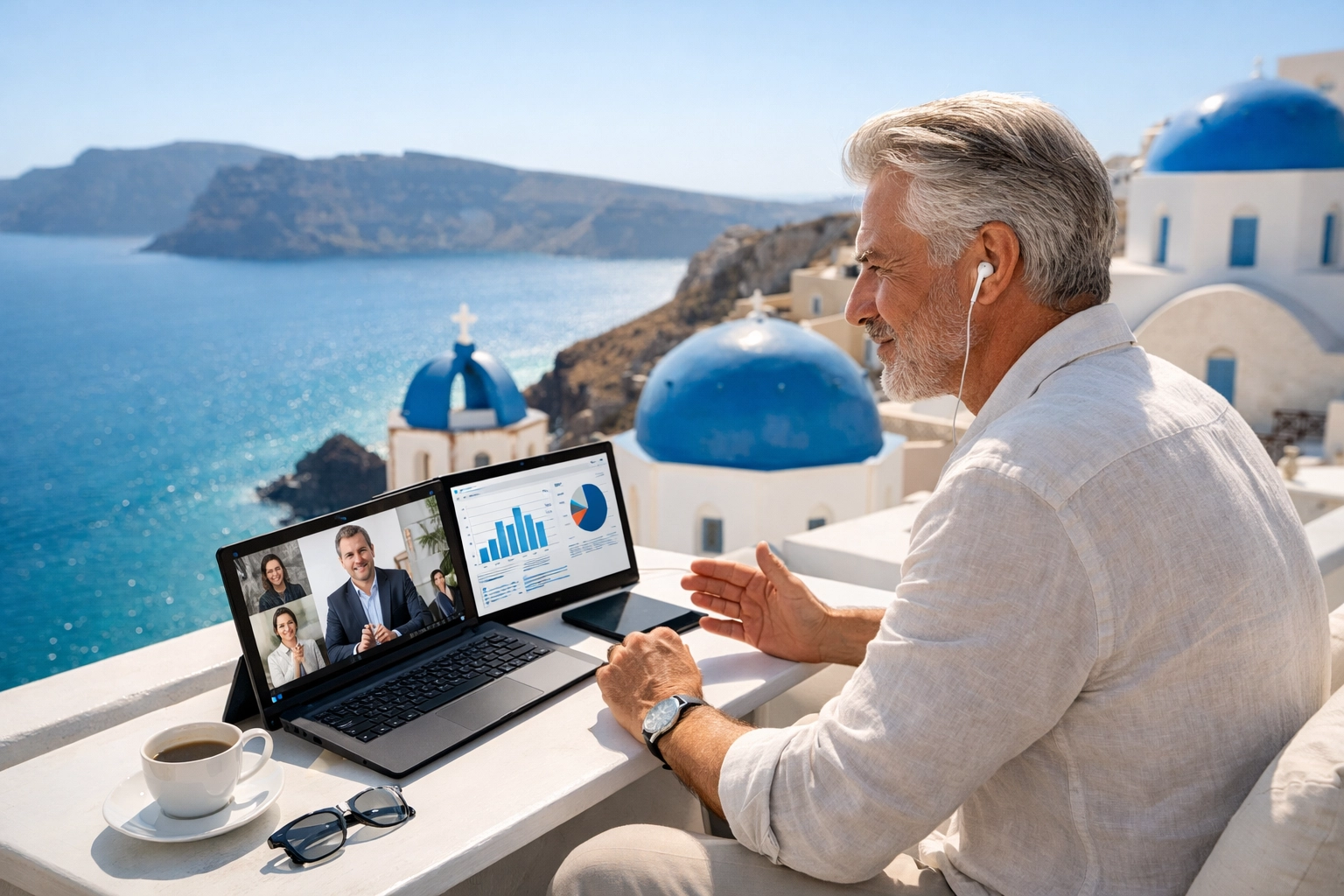
While Gen Z and Millennials still make up the bulk of the community, we are seeing a "Gray Nomad" explosion. High-level consultants and executives in their 50s and 60s are realizing they can manage global teams from a villa in Crete just as easily as from a high-rise in London.
Top AI-Driven Roles for 2026 Nomads:
- Prompt Engineer & Workflow Architect: Designing the "brains" of small businesses.
- Fractional CTO/CMO: Providing high-level strategy to startups across different time zones.
- Data Sovereignty Consultant: Helping companies navigate the messy world of global data privacy laws.
Conclusion: The Maturity of a Movement
Modern nomadism in 2026 is no longer a "gap year" for the wealthy or a desperate move for the underemployed. It is a deliberate, technically complex, and deeply rewarding way to structure a life.
By prioritizing "slow travel," leveraging the latest in AI and connectivity tech, and engaging ethically with host communities, the 2026 nomad is proving that you don't have to choose between a successful career and a life of adventure. The world has opened up, and for those with the right skills and the right mindset, the office is wherever they decide to plug in.
About the Author: Malibongwe Gcwabaza
CEO & Founder of blog and youtube
Malibongwe Gcwabaza is a visionary leader and a veteran of the remote work revolution. With over a decade of experience in digital media and global business strategy, Malibongwe has been at the forefront of the shift toward location-independent work. As the CEO of blog and youtube, he focuses on bridging the gap between high-level technology and accessible content, helping thousands of professionals navigate the complexities of the digital age. When he isn't steering the company toward new horizons, Malibongwe is an advocate for sustainable tech and global entrepreneurship, often sharing insights from his own journey as a hybrid nomad. Under his leadership, blog and youtube has become a premier destination for data-driven insights and professional growth in a rapidly changing world.
About the Author


