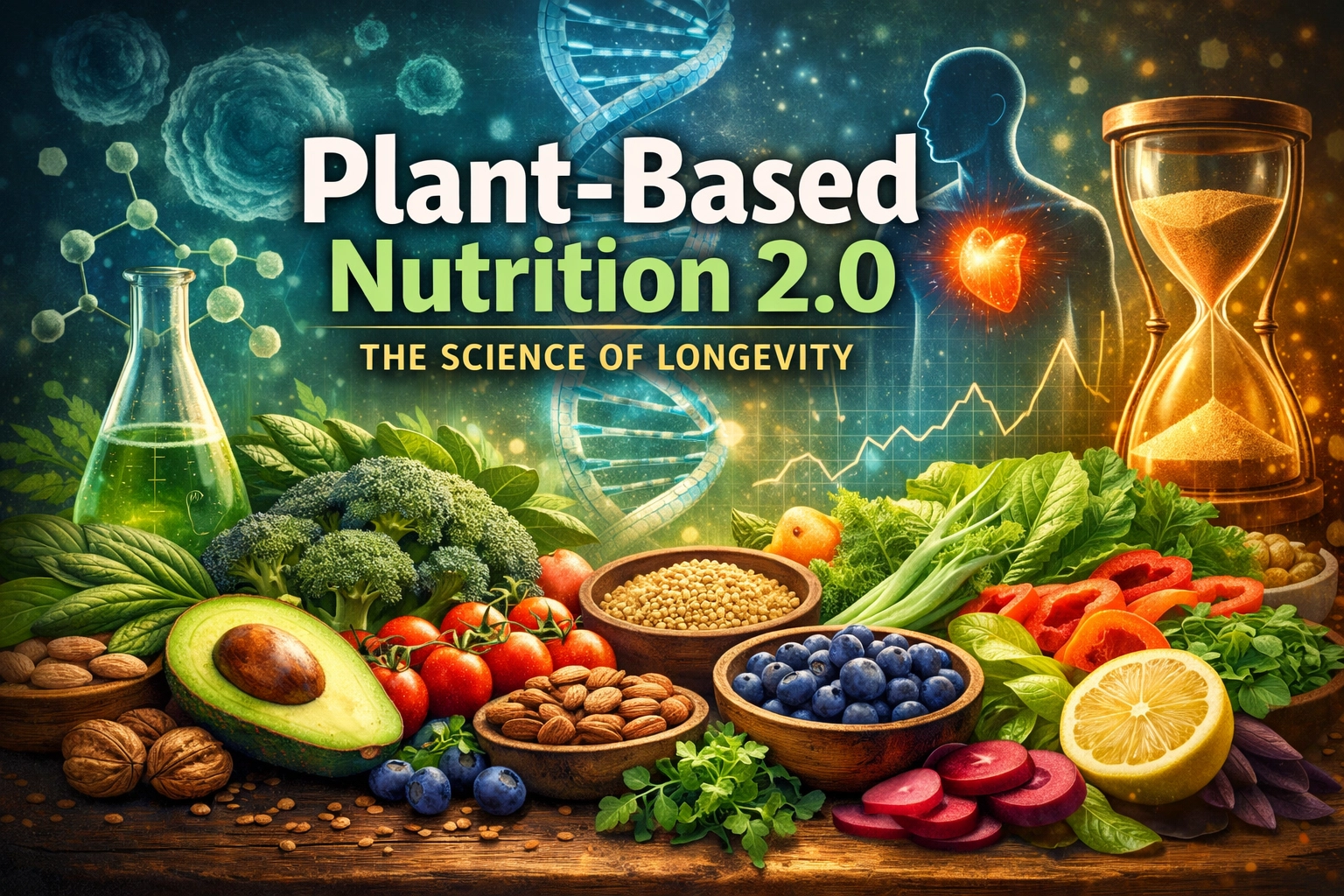
For decades, the conversation around plant-based eating was dominated by ethics, environmentalism, and basic weight management. We called it "Plant-Based 1.0." But as we move into 2026, the narrative has shifted into something far more sophisticated. We are now in the era of Plant-Based 2.0, where the focus has moved from "what we aren't eating" to the specific molecular mechanisms that allow plant-derived compounds to extend human healthspan and longevity.
The goal is no longer just to avoid chronic disease; it is to optimize biological function at a cellular level. Recent data, including a massive 60-year analysis of global food supplies, suggests that the difference between a high-animal protein diet and a high-plant protein diet isn't just a matter of cholesterol: it’s a matter of how our genes are expressed and how our cells age.
The Protein Paradox: Growth vs. Longevity
One of the most significant breakthroughs in longevity science involves the nutrient-sensing pathway known as mTOR (mammalian target of rapamycin). Think of mTOR as a biological "master switch." When it’s flipped on, the body is in growth mode: building muscle, replicating cells, and storing energy. When it’s dialed down, the body enters a "maintenance and repair" mode called autophagy.
Animal proteins, specifically those high in branched-chain amino acids like leucine, are incredibly potent activators of mTOR. While this is great for an infant needing to grow or a bodybuilder looking to put on mass, chronic over-activation of mTOR in adulthood is linked to accelerated aging and the proliferation of damaged cells.
Plant proteins naturally contain lower levels of leucine and methionine. By shifting the ratio toward plant sources: legumes, seeds, and ancient grains: we effectively signal the body to prioritize cellular cleanup over rapid growth. This isn't just theory; research published in Nature Communications involving data from 101 countries shows a direct correlation between higher plant protein availability and increased adult life expectancy.
The 60-Year Global Study: A Deep Dive into the Data
The University of Sydney recently conducted one of the most comprehensive dietary analyses in history, looking at 60 years of food supply data. The findings provided a nuanced view of the "protein paradox."
In regions where animal protein was the primary source, infant mortality rates were lower, suggesting that the calorie density and amino acid profile of meat are beneficial during the highest growth phases of human life. However, as populations aged, the script flipped. In countries like India, where plant-based proteins are a dietary staple, adult longevity significantly outperformed wealthier nations that relied heavily on processed meats and dairy.
The takeaway for 2026 is clear: Nutrition needs to be life-stage specific. While a child might benefit from the high-density nutrients in animal products, the "Longevity 2.0" strategy for adults involves a systematic shift toward plant-derived nitrogen sources to reduce the metabolic "wear and tear" associated with animal protein metabolism.
Beyond Fiber: The Role of Secondary Metabolites
We’ve known about fiber for a long time, but Plant-Based 2.0 looks at phytonutrients: the secondary metabolites that plants produce to protect themselves from UV radiation and pests. When we consume these, they act as "xenohormetic" stressors in our bodies.
1. Polyphenols and Sirtuin Activation
Polyphenols found in dark berries, green tea, and cocoa do more than just "neutralize free radicals." They are now understood to be modulators of sirtuins: a family of signaling proteins involved in metabolic regulation and DNA repair. By mimicking the effects of caloric restriction, these plant compounds help keep our DNA "tightly packed" and protected from the epigenetic drift that characterizes aging.
2. The Microbiome-Longevity Axis
We aren't just eating for ourselves; we are feeding a 3-pound "organ" of bacteria in our gut. Plant-Based 2.0 emphasizes the production of Short-Chain Fatty Acids (SCFAs), specifically butyrate. When we consume diverse plant fibers, our gut microbes ferment them into butyrate, which enters the bloodstream and acts as a powerful anti-inflammatory agent. This process has been shown to improve endothelial function and vascular elasticity: essentially keeping your "pipes" young.
Combatting "Inflammaging"
The term "inflammaging" describes the chronic, low-grade inflammation that develops as we age, leading to tissue damage and the onset of age-related diseases like Alzheimer’s and Type 2 Diabetes.
The Plant-Based 2.0 framework uses food as a pharmacological tool to combat this. High intake of legumes, nuts, and seeds is associated with significantly lower levels of C-reactive protein (CRP), a key marker of systemic inflammation.
Consider this: replacing just one serving of red meat per day with a handful of walnuts or a serving of lentils can reduce coronary heart disease risk by up to 30%. This isn't just due to the absence of saturated fat; it's due to the presence of plant sterols and antioxidants that actively stabilize the lining of our blood vessels.
The Blue Zone Blueprint: Modernized
The "Blue Zones": regions where people consistently live to 100: have always been majority plant-based. In Okinawa, Ikaria, and Loma Linda, the diet is roughly 90-95% plant-derived. However, in 2026, we are refining these traditional diets with modern technology.
Biohacking the Plate:
- Precision Fermentation: We are now seeing "plant-based" foods that are nutritionally identical to animal counterparts but produced without the inflammatory markers.
- Sprouting and Fermenting: To maximize nutrient bio-availability and reduce anti-nutrients like phytates, the 2.0 approach emphasizes traditional preparation methods backed by modern science.
- Algae-Sourced Omegas: Skipping the fish and going straight to the source (algae) to get high-potency EPA and DHA without the risk of heavy metal bioaccumulation.

Strategic Implementation: How to Build a Longevity Plate
If you want to move from general healthy eating to a scientifically optimized longevity diet, your daily intake should prioritize the following categories based on current 2026 clinical guidelines:
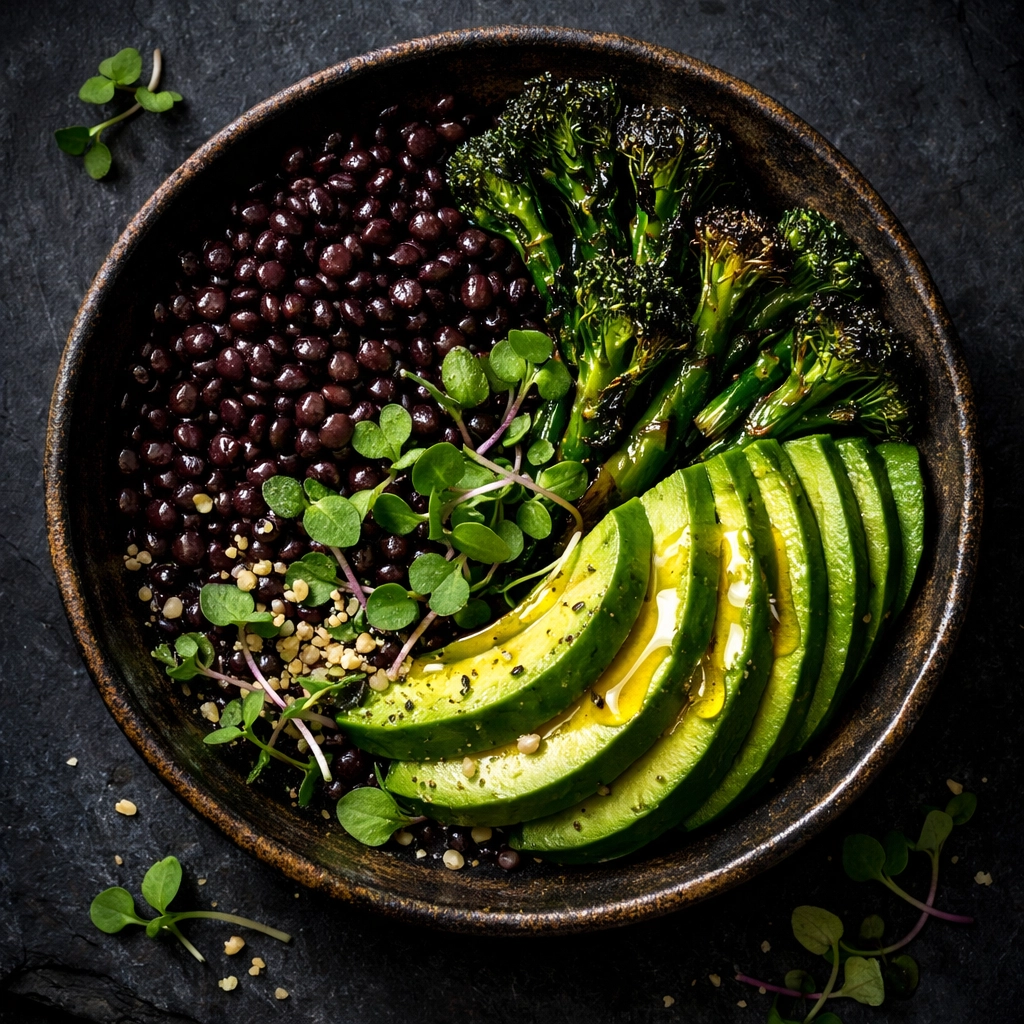
- The Legume Foundation: Aim for at least 1.5 cups of beans, lentils, or chickpeas daily. These are the single best predictor of longevity in elderly populations worldwide.
- Cruciferous Density: Broccoli, kale, and cauliflower contain sulforaphane, a compound that triggers the Nrf2 pathway: the body’s strongest internal antioxidant defense system.
- High-Polyphenol Fats: Shift from butter and lard to extra virgin olive oil and avocado. The oleocanthal in high-quality olive oil mimics the anti-inflammatory effects of ibuprofen.
- Resistant Starch: Cold potatoes, green bananas, and cooked-then-cooled grains feed the specific bacteria that produce the longevity-linked butyrate mentioned earlier.
The Verdict on 2026 Nutrition
The science of longevity is no longer about a "magic pill" or a single superfood. It is about the cumulative effect of signaling molecules found in a diverse, plant-forward diet. By understanding how these nutrients interact with our nutrient-sensing pathways like mTOR and our gut microbiome, we can move beyond the "dieting" mindset and into a lifestyle of biological optimization.
Plant-Based 2.0 isn't about being "perfect." It's about being strategic. By prioritizing plant proteins, maximizing phytonutrient diversity, and feeding our microbiome, we aren't just adding years to our lives: we are adding life to our years.
About the Author
Malibongwe Gcwabaza
CEO of blog and youtube
Malibongwe Gcwabaza is a visionary leader and tech enthusiast dedicated to bridging the gap between complex scientific research and everyday lifestyle optimization. As the CEO of "blog and youtube," he oversees a multi-channel platform that reaches millions of readers and viewers worldwide, providing data-driven insights into technology, health, and the future of human performance.
With a background in strategic management and a passion for longevity science, Malibongwe focuses on how emerging biotechnologies and nutritional breakthroughs can be integrated into high-performance lifestyles. He is a frequent speaker at digital media conferences and is committed to fostering a community where transparency, scientific rigor, and accessibility are at the forefront of content creation. Under his leadership, "blog and youtube" has become a trusted authority in the 2026 digital landscape, helping people navigate the complexities of modern living with clarity and confidence.
About the Author


