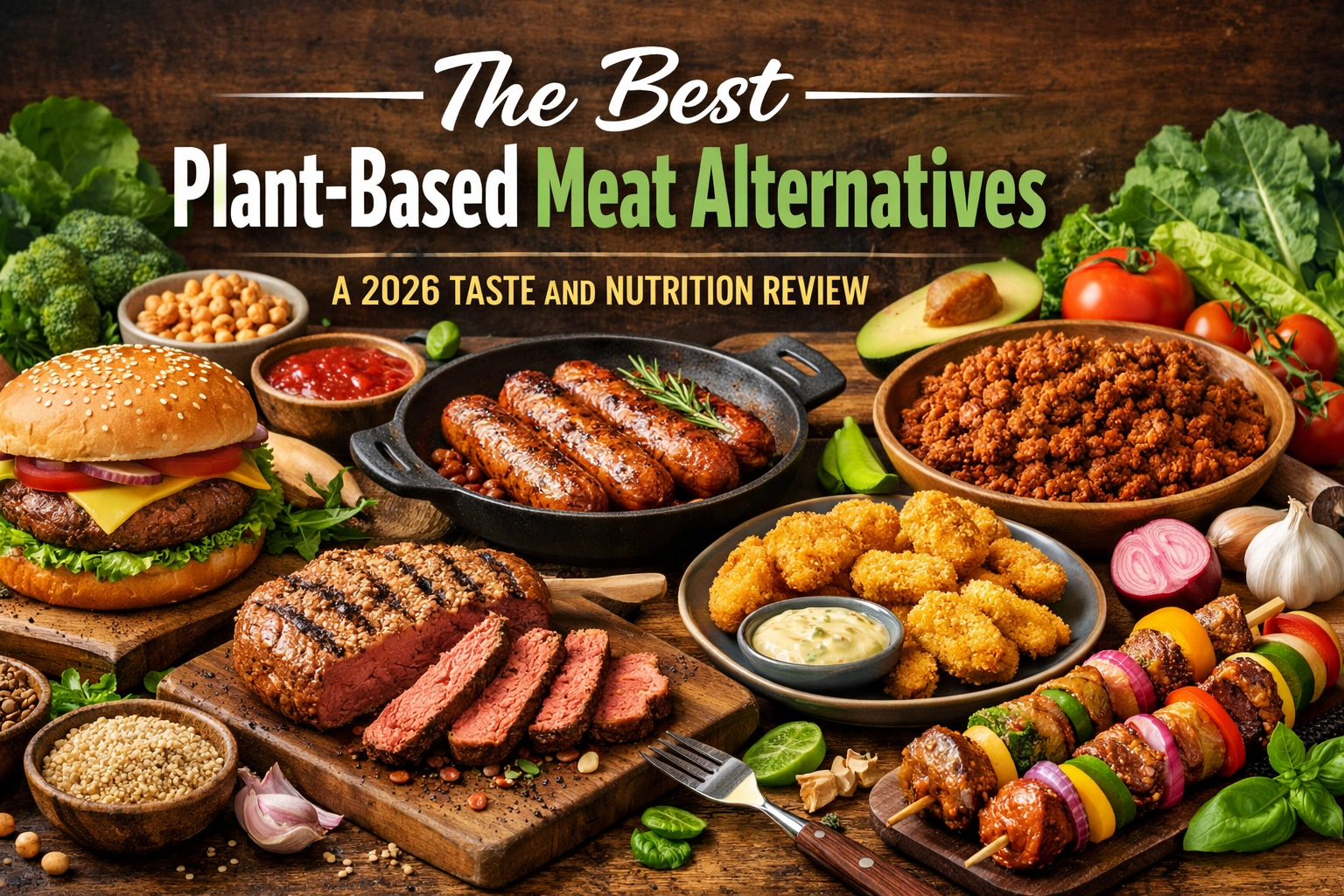
By 2026, the "uncanny valley" of plant-based meat has largely been bridged. We are no longer in the era of dry, bean-based pucks that crumble under the slightest pressure. Today, the landscape is defined by molecular mimicry, precision fermentation, and high-moisture extrusion (HME) technology. For the modern consumer, the choice is no longer just "beef or not beef," but a complex decision involving protein bioavailability, sodium-to-protein ratios, and the carbon footprint of the specific isolate used.
In this review, we dive deep into the current market leaders, the emerging "Generation 3" products, and the nutritional reality of replacing animal protein with plant-derived alternatives.
The State of Plant-Based Meat in 2026
The industry has shifted its focus from mere imitation to optimization. While the early 2020s were characterized by the "Burger Wars," 2026 is the year of whole-muscle cuts. We are seeing a surge in "mycelium-based" steaks and "precision-fermented" fats that provide the sizzle and mouthfeel previously exclusive to animal adipose tissue.
From a technical standpoint, the manufacturing processes have matured. High-Moisture Extrusion (HME) now allows for longer protein fibers, mimicking the longitudinal muscle fibers of chicken and beef with startling accuracy. Furthermore, the inclusion of leghemoglobin (heme) and cultured plant-fats has addressed the historic "iron-deficiency" in the flavor profile of meat alternatives.
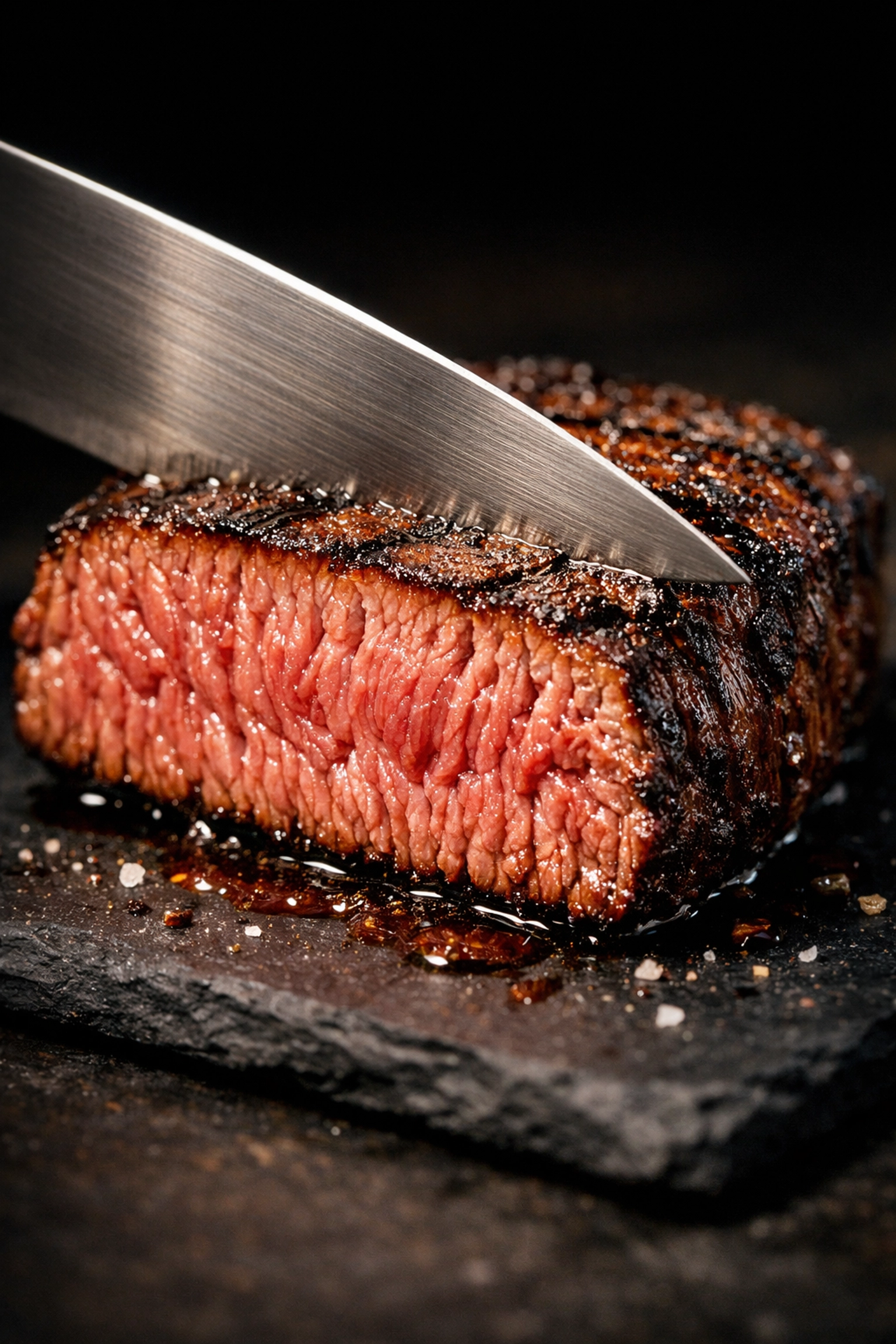
1. The Heavy Hitters: Beef Alternatives
Beyond Meat (Beyond IV & V Series)
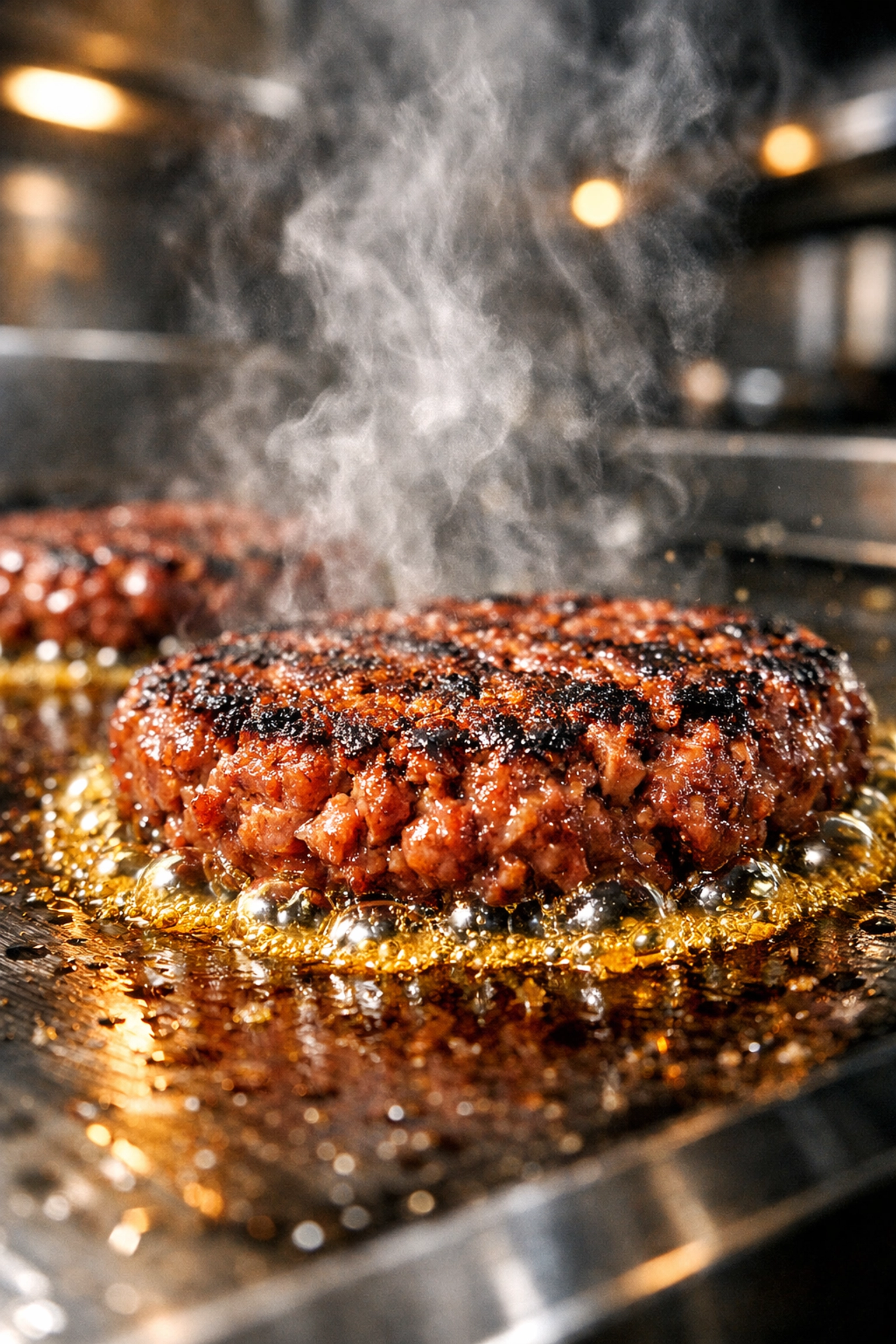
The Beyond IV formulation, released a couple of years ago, set a new standard by swapping coconut oil for avocado oil, significantly reducing saturated fat. In 2026, the Beyond V series continues this trend.
- Taste Profile: It remains the gold standard for that "charbroiled" flavor. The use of pomegranate concentrate and beet juice provides a realistic color transition during cooking.
- Nutrition: 20g of protein per 4oz patty. The sodium content has been reduced by 15% compared to the 2023 version, now sitting at approximately 330mg per serving.
- Technical Edge: Beyond uses a blend of pea, mung bean, and brown rice protein. This ensures a complete amino acid profile, achieving a PDCAAS (Protein Digestibility-Corrected Amino Acid Score) close to 1.0.
Impossible Foods (The Heme Leader)
Impossible continues to leverage its proprietary soy leghemoglobin. In 2026, their "Indulgent Burger" remains a favorite for flexitarians.
- Taste Profile: Because of the heme, it possesses a metallic, "bloody" quality that no other brand has perfectly replicated. The texture is softer than Beyond, mimicking high-fat wagyu beef.
- Nutrition: Higher in iron (due to the heme) but traditionally higher in saturated fat due to the coconut oil base. However, their 2026 "Lite" version uses a sunflower oil emulsion to cut calories by 30%.
2. The Mycelium Revolution: Whole-Muscle Cuts
The biggest breakthrough in 2026 is the mainstream availability of mycelium-based proteins. Unlike extruded pea protein, mycelium (the root structure of fungi) grows in a naturally fibrous state.
Meati Foods & The Mushroom Meat Era
Meati has scaled significantly, offering "Classic Cutlets" and "Steaks" that are not processed in the traditional sense.
- The Process: Submerged fermentation. They grow the protein in giant stainless steel tanks, then harvest and lightly season it.
- Texture: This is the closest the industry has come to a ribeye or a chicken breast. It has a natural "shred" that extrusion cannot always match.
- Nutrition: Mycelium is a "super-protein." It is naturally high in fiber (about 8g per serving) and contains Vitamin B12 and Zinc, which are often lacking in other plant meats. It is a "whole food" alternative that avoids the "ultra-processed" label.

3. Poultry Alternatives: Texture is King
Chicken is the most consumed meat globally, and the 2026 plant-based versions are finally winning on price parity.
THIS™ Isn't Chicken (The High-Moisture Leader)
The UK-based brand THIS™ has dominated the European and now the North American markets with its "Isn't Chicken" pieces.
- Technical Insight: They use a patented extrusion process that aligns soy and pea protein fibers under high pressure and temperature.
- Taste: It is virtually indistinguishable from boiled or pan-fried chicken breast in a curry or stir-fry.
- Nutrition: Extremely high protein-to-calorie ratio. 25g of protein per 100g, with less than 2g of fat.
Gardein Ultimate Plant-Based Chick'n
Gardein has updated its "Ultimate" line for 2026. While it relies more on breading for the experience, the internal texture has been upgraded to include wheat gluten and pea protein blends.
- Data Point: A single filet provides 23g of protein but comes with 810mg of sodium. This is a "sometimes food" rather than a daily staple, illustrating the nutritional trade-offs in processed alternatives.
4. The "New Gold": Precision Fermented Fats
The biggest complaint about plant meat has always been the "aftertaste" of the fats: usually the waxy coating of coconut oil or the heavy scent of canola. In 2026, companies like Melt&Marble and Nourish Ingredients are providing "designer fats" to the big brands.
By using yeast or fungi to "brew" fats that are molecularly identical to beef tallow or pork lard, these alternatives now have the same melting point and flavor release as animal fats. This has revolutionized the "Taste Review" scores across the board, moving them from a 7/10 to a 9/10 in blind taste tests.
Comprehensive Nutrition Comparison (Per 100g)
| Product Type | Protein (g) | Sat. Fat (g) | Sodium (mg) | Fiber (g) | Primary Source |
|---|---|---|---|---|---|
| Traditional Beef (80/20) | 17g | 8g | 70mg | 0g | Animal |
| Beyond Burger (2026) | 18g | 2g | 290mg | 2g | Pea/Rice |
| Impossible Burger | 19g | 6g | 370mg | 3g | Soy/Heme |
| Meati Steak (Mycelium) | 15g | 0g | 180mg | 8g | Fungi |
| Tofu (Extra Firm) | 10g | 1g | 5mg | 1g | Soy |
| Seitan (Wheat Meat) | 25g | 0.5g | 30mg* | 0g | Wheat Gluten |
*Note: Seitan sodium varies wildly based on store-bought vs. homemade broth.
5. Technical Deep Dive: Bioavailability and PDCAAS
A common critique from the nutritional science community is that "20g of plant protein is not the same as 20g of animal protein." This refers to the amino acid profile and digestibility.
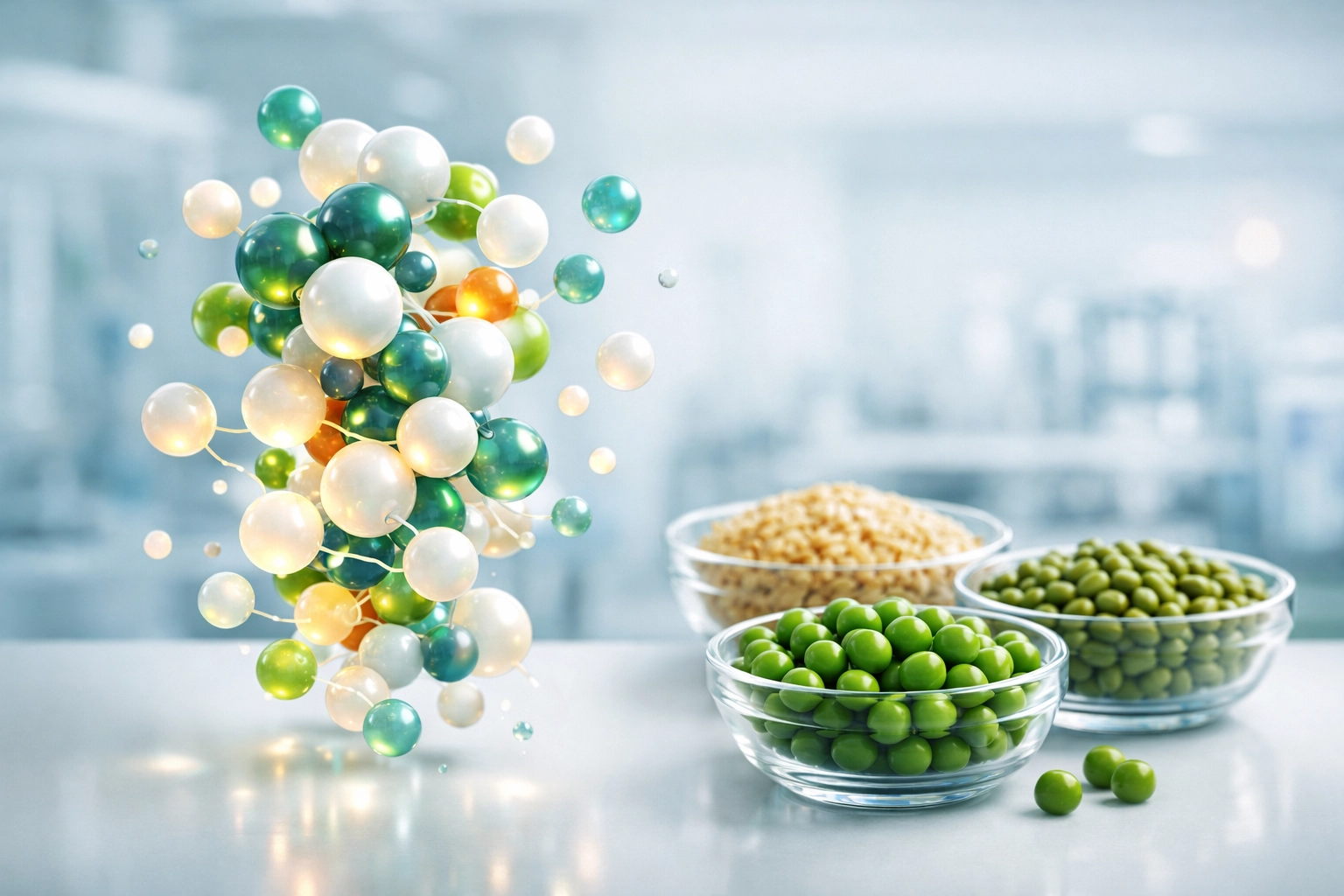
In 2026, manufacturers have solved this through protein blending. By combining pea protein (low in methionine) with rice or wheat protein (high in methionine), they create a "complete" protein.
Moreover, the "anti-nutrients" found in raw plants (like phytates and lectins) which can inhibit mineral absorption are largely neutralized during the high-heat extrusion process. Data from 2025 clinical trials suggests that the iron in heme-based plant meat (Impossible) is absorbed at rates nearly identical to bovine iron, whereas non-heme iron (Beyond) requires Vitamin C co-ingestion for optimal uptake.
6. The Verdict: What Should You Buy?
For the Health-Conscious: Mycelium & Whole Foods
If you are looking to avoid "industrial" processing, Meati or Tempeh are the winners. Tempeh, a fermented soy product, remains the nutritional heavyweight in 2026 due to its probiotic content and high fiber. It hasn't changed much in 500 years, because it doesn't need to.
For the BBQ Hero: Beyond & Impossible
If you are hosting a cookout and want to fool your "meat and potatoes" uncle, the 2026 Beyond V or the Impossible Indulgent patty are the choices. The addition of precision-fermented fats has removed the "chemical" aftertaste that plagued earlier versions.
For the Budget-Minded: Private Label Soy/Pea Blends
Supermarket house brands (like Kroger's Simple Truth or Tesco's Plant Chef) have caught up. By 2026, these "generic" versions use the same base HME technology as the big names but at a 40% lower price point.
Ethical and Environmental Impact: The 2026 Data
The "why" behind plant-based meat remains environmental. As of March 2026, the life cycle assessments (LCA) for these products have improved:
- Water Usage: Plant-based meats use 75% to 95% less water than traditional beef.
- Land Use: 90% less land is required.
- Carbon Footprint: Mycelium-based meats are now reaching "carbon neutral" status in facilities powered by renewable energy, whereas conventional beef still averages 25-30kg of CO2 per kg of meat.
Final Thoughts
The plant-based meat market in 2026 is no longer a niche for activists; it is a sophisticated culinary category. The "best" alternative depends on your goals: if you want pure protein efficiency, go with Seitan. If you want a sensory experience that rivals a steakhouse, look for mycelium-based whole cuts.
Nutrition has finally caught up with taste. With sodium levels dropping and bioavailability rising, the 2026 generation of plant-based meats offers a legitimate, sustainable, and healthful alternative to the traditional meat counter.
About the Author: Malibongwe Gcwabaza
Malibongwe Gcwabaza is the CEO of blog and youtube, a leading digital media company specializing in the intersection of food technology, sustainability, and consumer trends. With over a decade of experience in the tech and media landscape, Malibongwe focuses on how emerging technologies: from AI-driven nutrition to precision fermentation: are reshaping our daily lives. Under his leadership, blog and youtube has become a trusted source for data-driven insights and simple, accessible guides for the modern, conscious consumer. When he’s not analyzing market trends, Malibongwe is an avid advocate for remote-work innovation and ethical AI governance.
About the Author


