
For a long time, B2B e-commerce was the clunky, neglected sibling of B2C. While consumer sites were getting one-click checkouts and hyper-personalized AI recommendations, B2B buyers were still faxing purchase orders or navigating portals that looked like they were built in 2004.
That era is officially dead. As we move through 2026, the gap between B2C convenience and B2B complexity has closed, but the technical requirements for B2B have skyrocketed. It’s no longer enough to just have a "buy now" button. You’re now building for a world where AI agents negotiate prices, ERP systems talk to each other in real-time, and "net-30" terms are automated by smart contracts.
If your B2B strategy is still just a digital catalog, you’re losing ground to competitors who treat their e-commerce platform as a high-performance financial and logistical engine. Here is the technical blueprint for B2B e-commerce in 2026.
The Rise of Agentic Commerce: Selling to Bots
The biggest shift in 2026 isn't how humans use your site: it’s how AI agents use it. We are seeing the rise of "Agentic Commerce," where a procurement officer’s AI assistant scans the web, evaluates technical specs, compares volume discounts, and even initiates the quote process without a human ever clicking a link.
Recent data suggests that nearly 90% of B2B buying journeys will be intermediated by AI agents by 2028. This means your site architecture needs to be as readable for a Large Language Model (LLM) as it is for a human.
Optimizing for Machine Readability
To win in this environment, your product data must be structured perfectly. This involves:
- High-Density Schema Markup: Going beyond basic "Product" schema to include specific B2B attributes like wholesale price tiers, minimum order quantities (MOQ), and lead times.
- Semantic API Documentation: If an AI agent can’t query your inventory via an API, it will move to a competitor who allows it.
- Technical Spec Sheets: LLMs crave raw data. Clean, crawlable PDF or JSON-based technical specifications are now a core SEO (and AEO) requirement.

High-Performance Portal Experiences
The "portal" is the heart of the 2026 B2B relationship. Modern buyers don't want to talk to a sales rep for routine tasks; they want a self-service dashboard that handles everything from order tracking to tax documentation.
The "Consumerized" B2B Dashboard
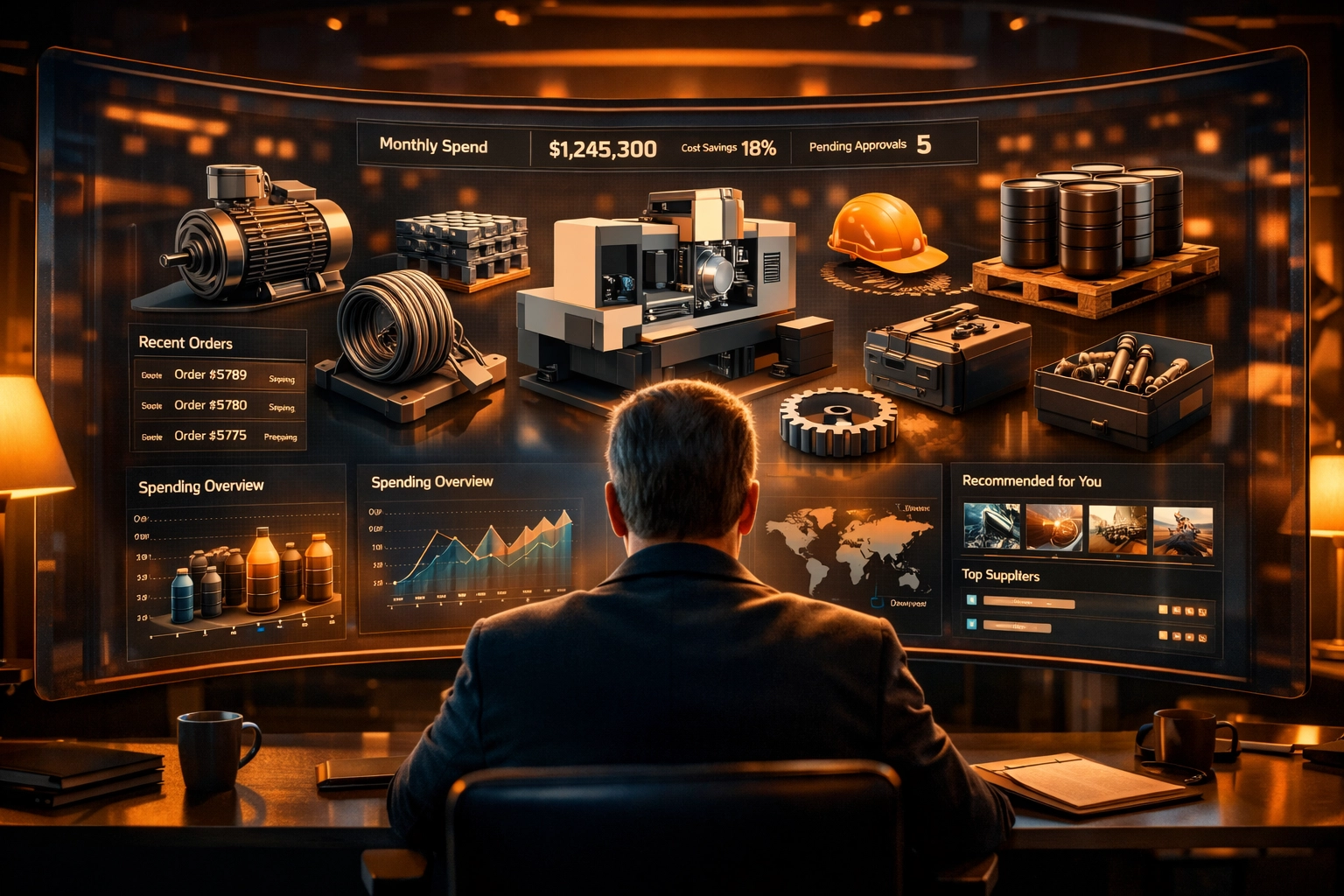
The standard for a B2B portal in 2026 is a "cockpit" view. When a buyer logs in, they shouldn't just see products. They should see:
- Custom Pricing: Real-time reflection of their specific contract terms.
- Inventory Predications: AI-driven alerts telling them, "Based on your previous burn rate, you’ll run out of SKU-405 in 12 days."
- One-Click Reordering: A streamlined interface for repetitive bulk buys.
If your portal requires more than three clicks to repeat a past order, your UX is failing. The goal is to reduce "friction-to-replenishment."
Automating Net-Terms and Trade Credit
One of the biggest friction points in B2B has always been the financial "back-and-forth." In the past, applying for net-30 or net-60 terms involved credit applications, manual approvals, and several days of waiting.
In 2026, this is being replaced by Automated Trade Credit. By integrating with Fintech APIs (like Stripe, Mondu, or specialized B2B lenders), platforms can now offer instant credit decisions at the checkout.
Best Practices for Financial Automation:
- Instant KYC/KYB: Automate the "Know Your Business" checks during the account creation phase.
- Dynamic Credit Limits: Use the buyer’s purchase history and real-time financial data to adjust credit limits automatically.
- Smart Invoicing: Automated reconciliation where the e-commerce platform talks directly to the buyer's accounting software (QuickBooks, Xero, or SAP).
This isn't just a "nice to have." Offering net-terms at checkout has been shown to increase average order value (AOV) by over 40% because it removes the immediate cash-flow burden from the buyer.

Headless Architecture and ERP Integration
The "monolithic" e-commerce platform is too slow for 2026. If your web front-end is tied directly to your backend database, every update becomes a risk. This is why Headless Commerce has become the industry standard.
By decoupling the front-end (what the user sees) from the backend (the logic and data), you can push updates to your mobile app, your web portal, and your IoT ordering buttons simultaneously.
The ERP "Single Source of Truth"
In B2B, the e-commerce site is just a window into your ERP (Enterprise Resource Planning) system. In 2026, bidirectional, real-time sync is non-negotiable.
- Inventory Accuracy: If a pallet is sold in the warehouse, it must disappear from the web store within milliseconds.
- Customer-Specific Logic: Your ERP holds the complex logic of which customer gets which discount. Your e-commerce front-end should simply query that logic via API.
Failure to sync leads to the cardinal sin of B2B: allowing a customer to buy 500 units of a product that is actually out of stock.
Bulk Ordering and Complex Cart Logic
B2C carts are simple. You buy a shirt; you choose a size. B2B carts are nightmares of logic. A single order might contain 200 different SKUs, each with different tax implications, shipping speeds, and discount triggers.
Technical Requirements for 2026 Bulk Buying:
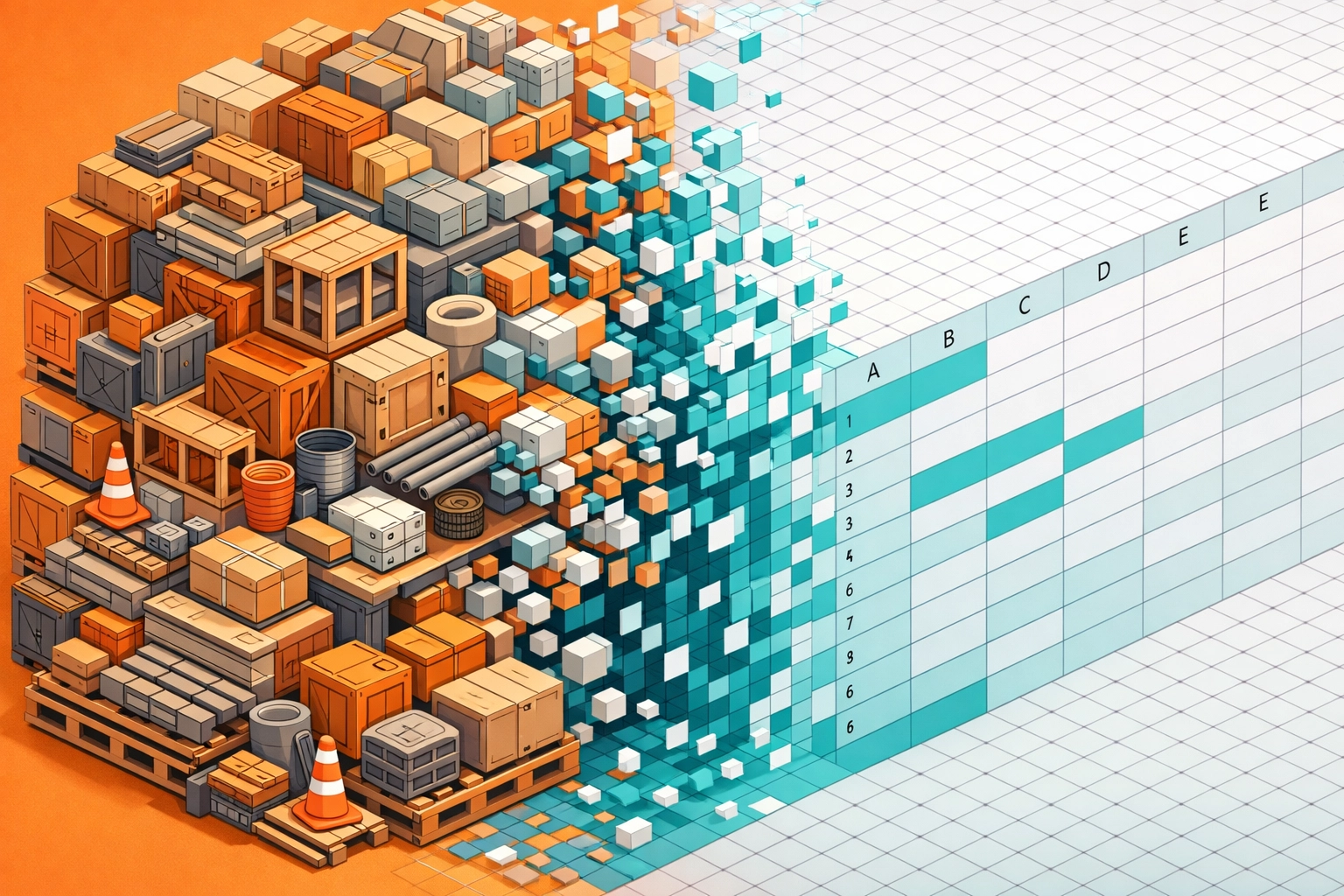
- CSV/XLSX Upload: Allow buyers to upload a spreadsheet directly into the cart. This remains the fastest way for procurement officers to work.
- Matrix Ordering: For products with multiple variables (e.g., industrial bolts in 20 different lengths and 5 different materials), use a grid-based entry system rather than 100 individual dropdowns.
- Multi-Address Shipping: A single order often needs to be split across five different job sites. Your checkout flow must support "Line-Item Shipping Destination" logic.
The Shift to Mobile and "On-Site" Procurement
We’ve moved past the idea that B2B buyers only sit at desks. In 2026, the buyer is often a site foreman with a tablet or a technician in a mechanical room using a smartphone.
Mobile-First is a Productivity Tool
In B2B, mobile isn't for "browsing": it's for scanning.
- Native Barcode Scanning: Your mobile app or PWA (Progressive Web App) should allow users to scan a barcode on an empty bin to instantly add that SKU to their cart.
- Offline Functionality: Buyers in warehouses or remote sites often have terrible connectivity. Your platform needs to allow them to build a cart offline and sync it once they hit Wi-Fi.
- Push Notifications for Approvals: If a junior buyer hits "order," the manager should get a push notification to approve the spend instantly from their phone.
Hyper-Personalization Through Data
In 2026, "personalization" doesn't mean putting the customer's name in an email. It means showing them a completely unique version of your store.
If I am a construction company, I shouldn't see medical supplies on the homepage, even if you sell them. Your AI layer should analyze past purchase behavior, search intent, and even industry trends to reorganize the catalog dynamically for every user.
Predictive Personalization
The most advanced B2B players are using Propensity Modeling. This identifies when a customer is "due" for a reorder or likely to need a complementary product based on the lifecycle of the items they’ve already bought. If they bought an industrial printer six months ago, 2026 e-commerce logic knows to start highlighting maintenance kits and ink cartridges in their feed today.
Security and Permission-Based Access
As B2B e-commerce becomes more integrated with corporate finances, security is the top priority. You aren't just protecting a credit card number; you’re protecting a corporate line of credit.
Advanced Security Features:
- Role-Based Access Control (RBAC): Not every user from a client company should have the same permissions. "Purchasers" can build carts; "Approvers" can click buy; "Auditors" can only see invoices.
- Punchout Integration: For large enterprise clients, your store needs to "punch out" to their internal procurement system (like SAP Ariba or Coupa). This allows them to shop on your site while staying within their own corporate compliance framework.
- Multi-Factor Authentication (MFA): Mandatory for any account with a credit line.

Conclusion: The 2026 Benchmark
The future of B2B e-commerce is defined by autonomy and integration. The winners are those who make the buying process so invisible and efficient that it becomes a competitive advantage. If your customer can find, finance, and fulfill a complex bulk order in under sixty seconds, you don't just have a customer: you have a partner for life.
Focus on your data structure, automate your financial terms, and build for the AI agents that are already starting to crawl your site. The "B" in B2B stands for Business, but in 2026, it might as well stand for Build-for-Bots.
About the Author: Malibongwe Gcwabaza
Malibongwe Gcwabaza is the CEO of blog and youtube, a forward-thinking digital agency specializing in high-performance e-commerce strategies and technical SEO. With over a decade of experience in digital transformation, Malibongwe focuses on helping B2B enterprises bridge the gap between legacy systems and future-ready technology. When he’s not deep-diving into ERP integrations, he’s exploring the intersection of AI and human creativity.
About the Author


