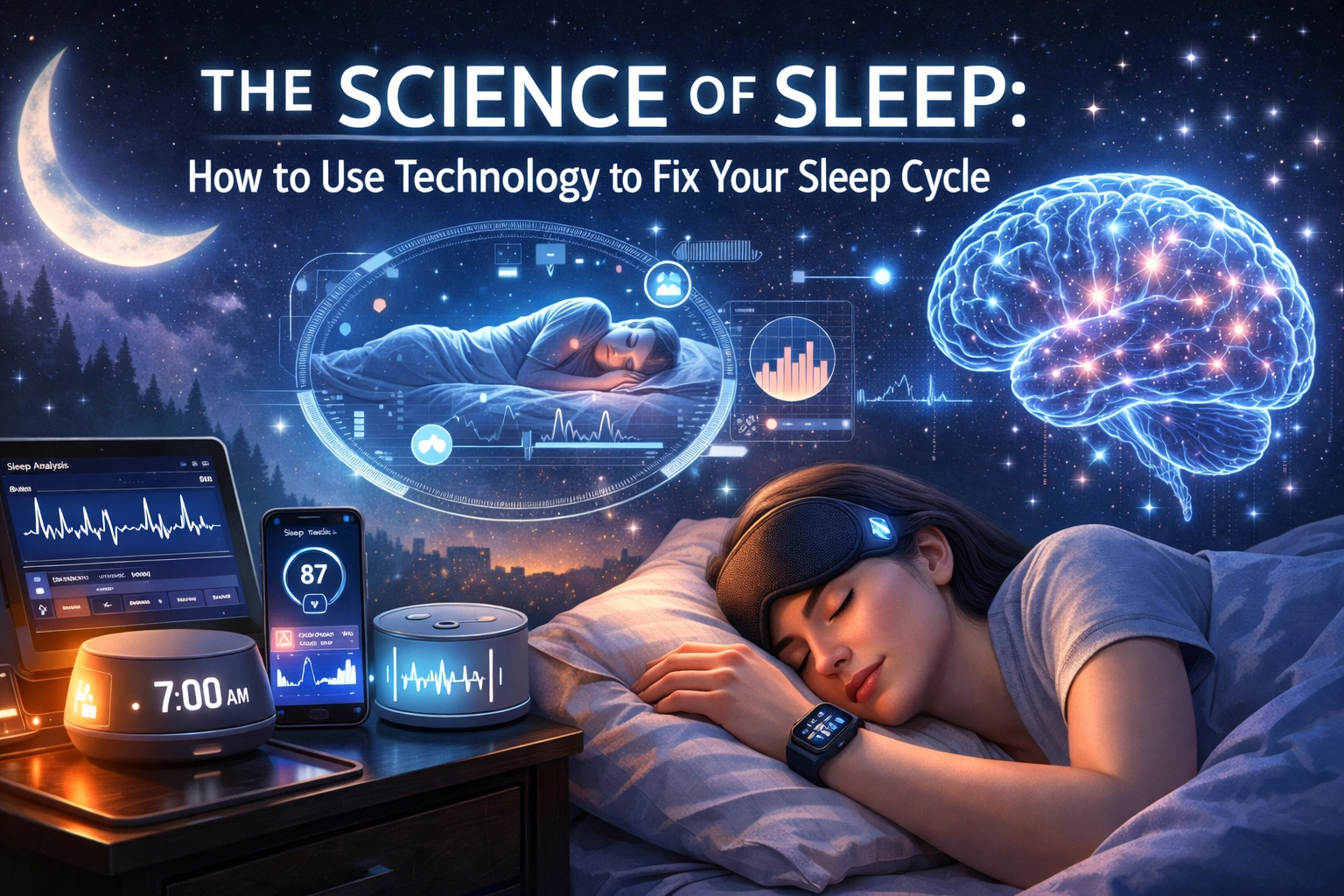
Sleep is no longer a passive state of rest; it is an active, highly orchestrated neurological process essential for glymphatic clearance: the brain's waste-removal system: and memory consolidation. In 2026, the intersection of neurobiology and consumer technology has reached a point where we can do more than just "track" sleep; we can actively engineer it.
To fix a broken sleep cycle, one must move beyond the basic metrics of "hours slept" and dive into sleep architecture: the delicate balance between Light, Deep (Slow-Wave), and REM sleep. By leveraging high-fidelity data from wearables, nearables, and environmental automation, we can realign our internal biological clocks with the external environment.
The Neurobiology of the Circadian Rhythm
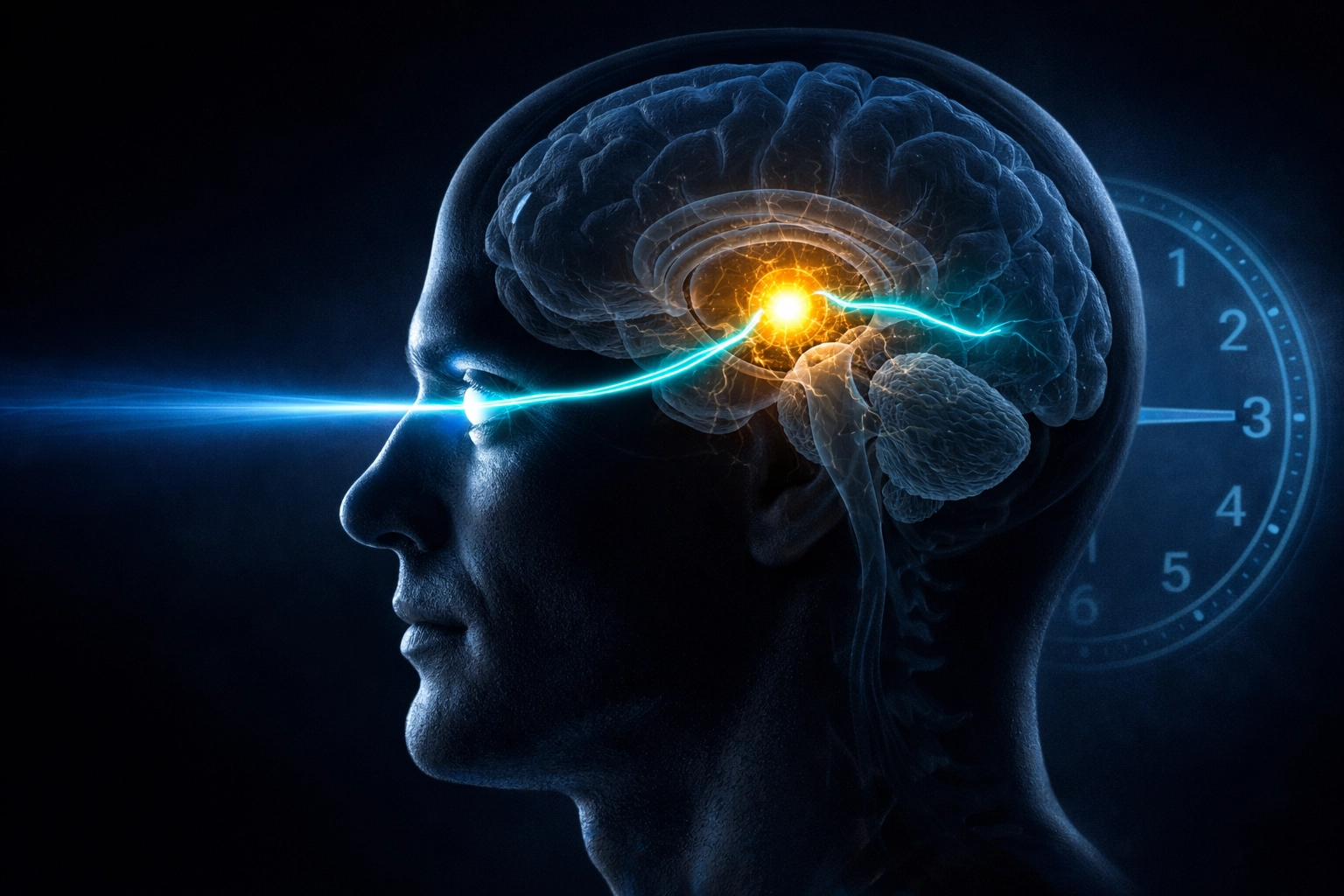
The foundation of a healthy sleep cycle is the circadian rhythm, a 24-hour internal clock governed by the Suprachiasmatic Nucleus (SCN) in the hypothalamus. This master clock responds primarily to light. When blue light: specifically in the 480nm wavelength: hits the melanopsin-containing ganglion cells in the retina, it signals the SCN to suppress melatonin production and increase cortisol, promoting wakefulness.
The "broken" sleep cycles common in the modern era are often the result of Circadian Misalignment. This occurs when artificial light exposure at night and a lack of sunlight during the day confuse the SCN. Technology, which was once the primary disruptor of sleep (via smartphone blue light), has now evolved to become the primary solution for entrainment.
How Sleep Technology Quantifies Your Biology
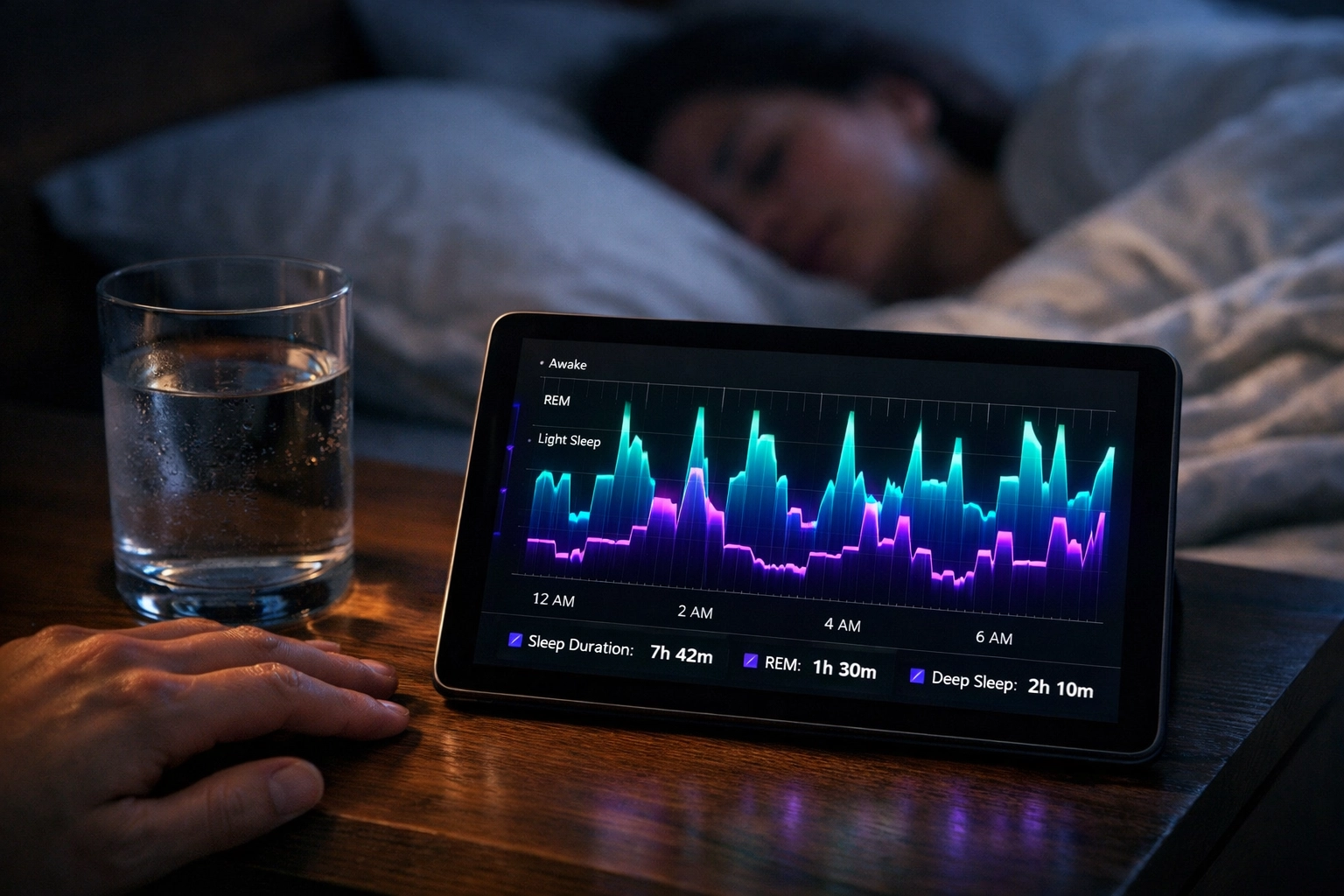
To fix a sleep cycle, you must first measure it with precision. Modern sleep technology utilizes several key sensors to reconstruct a "hypnogram": a graph representing the stages of sleep throughout the night.
1. PPG and Heart Rate Variability (HRV)
Wearables like the Oura Ring Gen 4 or the latest Apple Watch utilize Photoplethysmography (PPG) sensors. These sensors emit light into the skin to measure changes in blood volume. By analyzing the intervals between heartbeats, these devices calculate Heart Rate Variability (HRV). High HRV during sleep indicates a dominant parasympathetic nervous system (recovery mode), while low HRV suggests the body is under stress, often due to late-night meals, alcohol, or overtraining.
2. Actigraphy and Accelerometry
Most wrist-based trackers use 3-axis accelerometers to detect movement. While useful for distinguishing between wakefulness and sleep, motion alone is a poor proxy for sleep staging. Advanced algorithms now combine motion data with heart rate and respiratory rate to differentiate between REM sleep (characterized by muscle atonia or paralysis) and Deep sleep (characterized by minimal movement and a steady heart rate).
3. Sound Analysis and Respiration
Apps like Sleep Cycle have pioneered the use of "Sound-based monitoring." By using the smartphone’s microphone and machine learning algorithms, these tools detect breathing patterns, snoring, and coughing. This is particularly useful for identifying undiagnosed Sleep Apnea: a condition where the airway becomes obstructed, causing micro-awakenings that destroy sleep quality even if the total sleep duration seems adequate.
Environmental Engineering: The Smart Bedroom
The most effective way to fix a sleep cycle is to automate the environment so that it forces the body into the correct biological state. This is known as Environmental Entrainment.
Thermal Regulation: The Role of Distal Vasodilation
For the brain to initiate sleep, the core body temperature must drop by approximately 2 to 3 degrees Fahrenheit. Technology like the Eight Sleep Pod 4 Pro uses "Thermal Automation" to facilitate this. By circulating water through a mattress cover, these systems can cool the bed dynamically throughout the night.
In the early stages of sleep (N1 and N2), the system cools the body to trigger the sleep onset. During Deep Sleep, the temperature stays low to prevent mid-night wakeups. Towards the morning, the system gently increases the temperature, signaling to the body that it is time to stop producing melatonin and start producing cortisol for wakefulness.
Smart Lighting and Melatonin Management
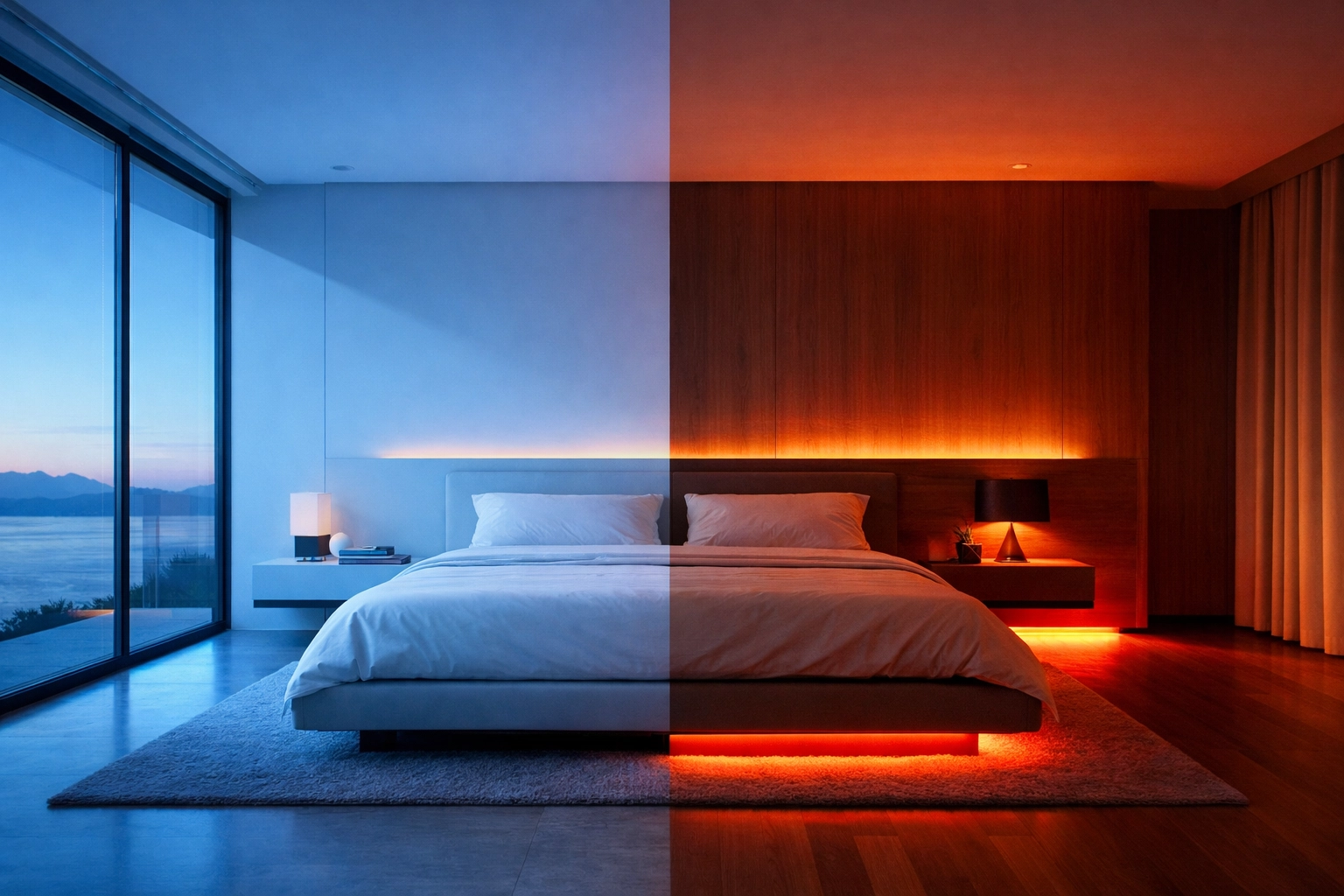
To fix a delayed sleep phase (being a "night owl" who can't wake up), you must control light exposure. Smart bulbs (such as Philips Hue or LIFX) can be programmed to follow a "Circadian Script":
- 07:00 AM: High-intensity 5000K-6500K blue-enriched white light to suppress melatonin immediately.
- 08:00 PM: Transition to 2700K warm amber tones, removing the blue spectrum to allow natural melatonin synthesis.
- 10:00 PM: Total blackout or low-intensity red light (which does not suppress melatonin).
Advanced Interventions: Smart Alarms and Brain-Wave Entrainment
One of the most detrimental parts of a modern sleep cycle is the "Jolt Awake." Waking up during a Deep Sleep (Slow-Wave) phase causes Sleep Inertia: that heavy, groggy feeling that can last for hours.
Smart Alarms
Smart Alarms use your sleep tracking data to find a "Wake Window." If you set your alarm for 7:30 AM, a smart alarm will monitor your movement and heart rate starting at 7:00 AM. If it detects you have moved into a "Light Sleep" phase at 7:12 AM, it will wake you then. Waking during light sleep feels significantly more natural and energetic than waking 18 minutes later in the middle of a deep sleep cycle.
Brain-Wave Entrainment
Newer technologies, such as the Bía Smart Sleep Mask or the Muse S headband, use EEG (Electroencephalography) or functional near-infrared spectroscopy to monitor brain waves in real-time. They can then play "Binaural Beats" or "Isochronic Tones" that mimic the frequency of Delta waves (0.5 to 4 Hz) associated with deep sleep. By "entraining" the brain to these frequencies, these devices can theoretically shorten the time it takes to reach deep sleep (Sleep Onset Latency).
Data-Driven Insights: Identifying the "Sleep Killers"
The true power of technology lies in its ability to correlate behavior with outcomes. To fix your cycle, you should use "Sleep Notes" or tagging features in your apps to track variables.
| Variable | Impact on Deep Sleep | Impact on REM | Recommendation |
|---|---|---|---|
| Alcohol | -30% (Delayed onset) | -50% (Fragmentation) | Avoid 4 hours before bed. |
| Late Caffeine | -20% (Lowers pressure) | Minimal | Stop intake by 12:00 PM. |
| Blue Light | -15% (Melatonin suppression) | Minimal | Use orange-tinted glasses after sunset. |
| Magnesium | +10% (Muscle relaxation) | No change | 200-400mg of Glycinate. |
By reviewing your weekly sleep data, you might find that a 6:00 PM workout increases your deep sleep, whereas an 8:00 PM workout decreases it. This level of hyper-personalization is impossible without tracking technology.
The 2026 Protocol for Fixing Your Sleep Cycle
If your sleep cycle is currently erratic, follow this 14-day data-driven protocol to reset your biological clock:
- Days 1-3 (The Baseline): Wear a tracker and change nothing. Use a smart alarm to wake up. Identify your natural "mid-sleep" point.
- Days 4-7 (Light Entrainment): Use a 10,000 lux light therapy lamp for 20 minutes immediately upon waking. Program your phone to enter "Grayscale Mode" and "Night Shift" at 8:00 PM.
- Days 8-11 (Thermal Calibration): Keep your bedroom at exactly 65°F (18°C). If using a smart mattress, set the cooling to "Level 2" during the first 4 hours of sleep.
- Days 12-14 (The Optimization): Review your HRV data. If HRV is low, move your last meal 1 hour earlier. Use a smart alarm with a 30-minute window.
Ethical and Privacy Considerations in Sleep Tech
As we integrate more technology into our bedrooms, we must address the privacy of "Bio-Data." Sleep recordings, heart rate patterns, and even room temperature data are highly personal. When choosing a device, prioritize those with on-device processing (Edge AI) rather than cloud-based analysis. Ensure the company adheres to strict data encryption standards, as your sleep architecture can actually reveal early signs of neurodegenerative diseases like Parkinson's or Alzheimer's years before clinical symptoms appear.
Moving Toward "Invisible" Sleep Tech
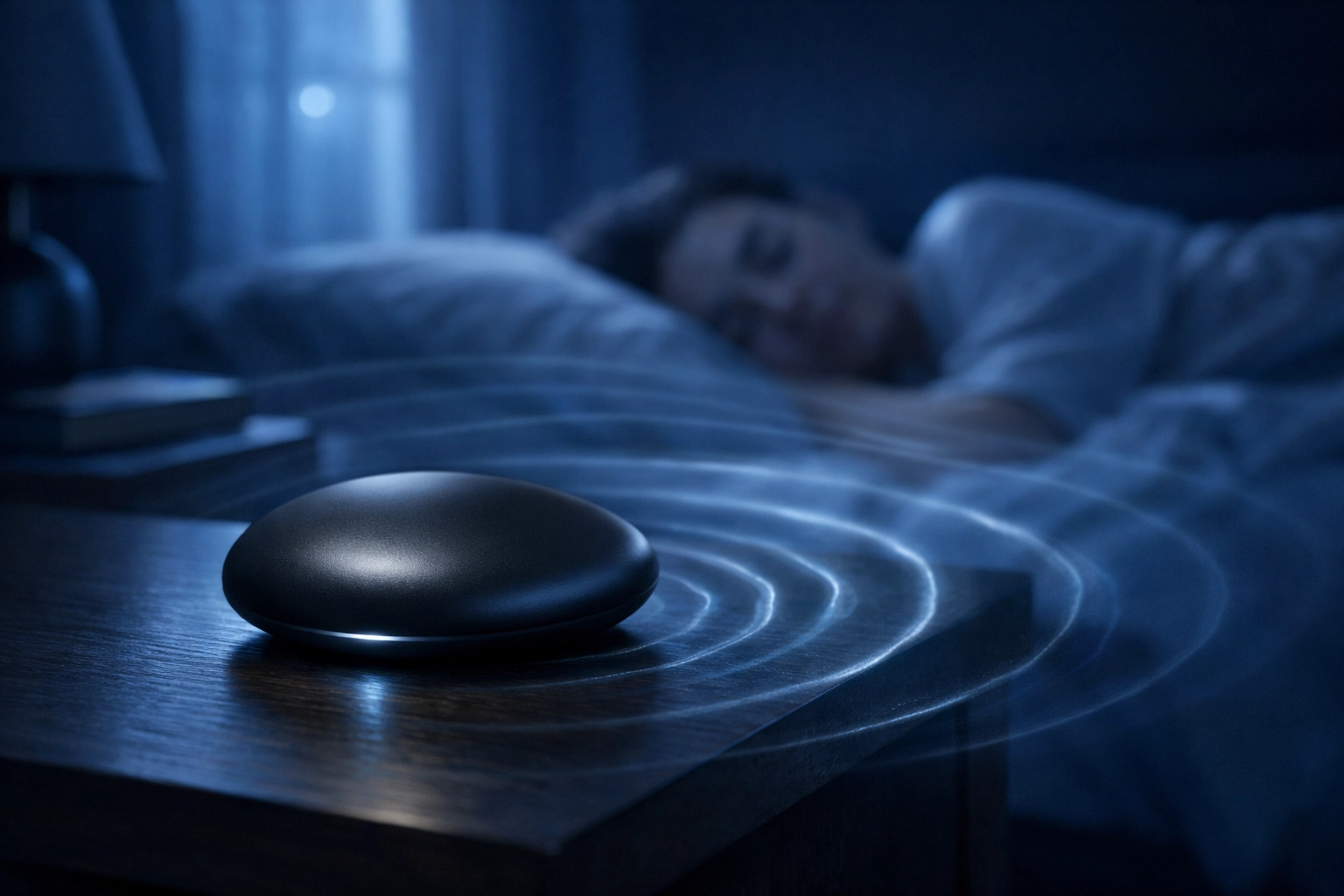
The future of sleep technology is shifting away from bulky wearables toward "Nearables." Systems like Google’s Soli radar or the Amazon Halo Rise use low-energy radar to detect the rise and fall of your chest and the micro-movements of your limbs without needing a camera or a wristband. This "frictionless" data collection ensures higher compliance; the best sleep tracker is the one you never have to remember to charge or wear.
By shifting our perspective from "sleeping more" to "sleeping smarter," we can use these tools to unlock higher cognitive performance, better emotional regulation, and a longer healthspan. Technology created the problem of the broken sleep cycle, but through the science of circadian entrainment and data-driven feedback, it is also providing the cure.
About the Author: Malibongwe Gcwabaza
Malibongwe Gcwabaza is the CEO of blog and youtube, a forward-thinking digital media house specializing in the intersection of emerging technology and human performance. With a background in systems optimization and a passion for data-driven wellness, Malibongwe has spent the last decade exploring how AI and IoT can be leveraged to solve modern health challenges. Under his leadership, blog and youtube has become a leading voice for simple, actionable tech insights that empower users to reclaim their time and health in an increasingly digital world. When he isn't analyzing sleep hypnograms, he is likely experimenting with the latest in smart-home automation.
About the Author


