![[HERO] The Ultimate Zero-Waste Home Guide: 50 Easy Swaps for 2026](https://cdn.mar4lism.com/NG-0xh9NOeG.webp)
As of early 2026, global municipal solid waste (MSW) generation has surpassed 2.4 billion tonnes annually. Despite advancements in chemical recycling and municipal composting, the primary burden of waste reduction remains at the point of consumption. Transitioning to a zero-waste household is no longer a niche lifestyle choice but a necessary response to the increasing "plastic tax" and the logistical limits of landfill capacity.
In 2026, the concept of "Zero-Waste" has evolved from the 2010s "mason jar" aesthetic into a high-tech, data-driven approach to Life Cycle Assessment (LCA). This guide moves beyond basic recycling, focusing on the circularity of materials and the reduction of Scope 3 emissions at the household level.
The Science of the "Swap": Life Cycle Assessment (LCA)
Before listing swaps, it is critical to understand the technical metric of environmental impact: the Life Cycle Assessment. A common mistake in the zero-waste movement is the "Rebound Effect." For example, a conventional organic cotton tote bag must be used approximately 7,100 times to offset the environmental impact of its production compared to a single-use plastic bag that is reused just once as a bin liner.
The goal for 2026 is to choose swaps based on durability, material circularity, and low-energy maintenance.
Part 1: The High-Performance Kitchen (Swaps 1-15)
The kitchen remains the highest waste-generating zone in the average home, primarily through organic waste and food packaging.
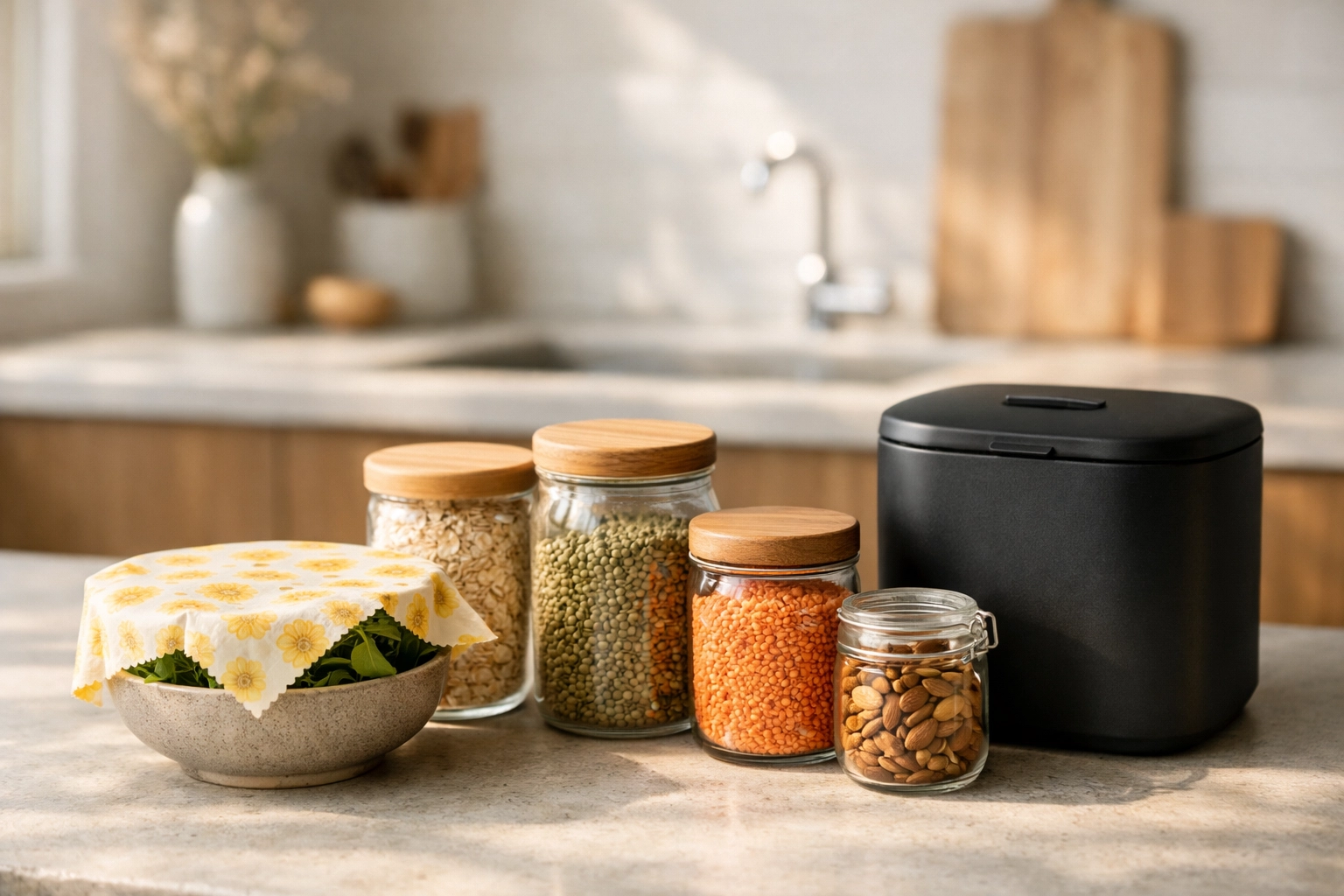
- From Cling Wrap to Platinum Silicone Lids: Unlike LDPE (low-density polyethylene) cling wrap, platinum-grade silicone is inert, heat-stable, and lasts for decades.
- From Paper Towels to Swedish Dishcloths: One Swedish dishcloth (made of cellulose and cotton) replaces 17 rolls of paper towels.
- From Liquid Dish Soap to Concentrated Bars: Eliminates the transportation of water (which makes up 80% of liquid soap weight) and plastic bottle waste.
- From Plastic Sponges to Walnut Shell Scrubbers: Conventional sponges shed microplastics into the gray water system. Walnut or coconut husk alternatives are fully biodegradable.
- From Tea Bags to Loose Leaf + Stainless Steel Infusers: 2026 data confirms many "silk" tea bags are actually PET or nylon, releasing billions of microplastics per cup.
- From Single-Use Coffee Pods to Stainless Steel Refillables: Reduces aluminum and plastic waste by 100% per brew.
- From Parchment Paper to Silicone Baking Mats: Eliminates the treated-paper waste associated with high-heat baking.
- From Plastic Trash Bags to Certified Compostable Liners (EN 13432): Ensure they meet industrial composting standards to break down within 180 days.
- From Conventional Dishwasher Tablets to Powder Refills: Avoids the PVA (Polyvinyl Alcohol) film used in pods, which research now suggests may persist in aquatic environments.
- From Plastic Produce Bags to Mesh RPET Bags: Recycled PET bags are lightweight and prevent the "sweating" that causes produce to rot faster in plastic.
- From Bottled Water to Multi-Stage Under-Sink Filtration: Moving from carbon carafes to 0.01-micron ultra-filtration systems eliminates the need for any bottled water.
- From Aluminum Foil to Beeswax (or Vegan Candelilla) Wraps: Ideal for cheese and bread, using the natural antibacterial properties of wax.
- From Plastic Milk Jugs to Glass Returnables or Nut Milk Bags: Many local dairies in 2026 have returned to the "milkman" model of glass bottle swaps.
- From Non-Stick (Teflon) to Carbon Steel or Cast Iron: PFAS-free cooking is essential for health and prevents the waste of "peeling" pans that end up in landfills.
- From Countertop Waste to Smart Electric Composters: High-tech units like the 2026 Mill or Lomi models dehydrate food waste into "pre-compost" in 4 hours, reducing volume by 90%.
Part 2: The Regenerative Bathroom (Swaps 16-25)
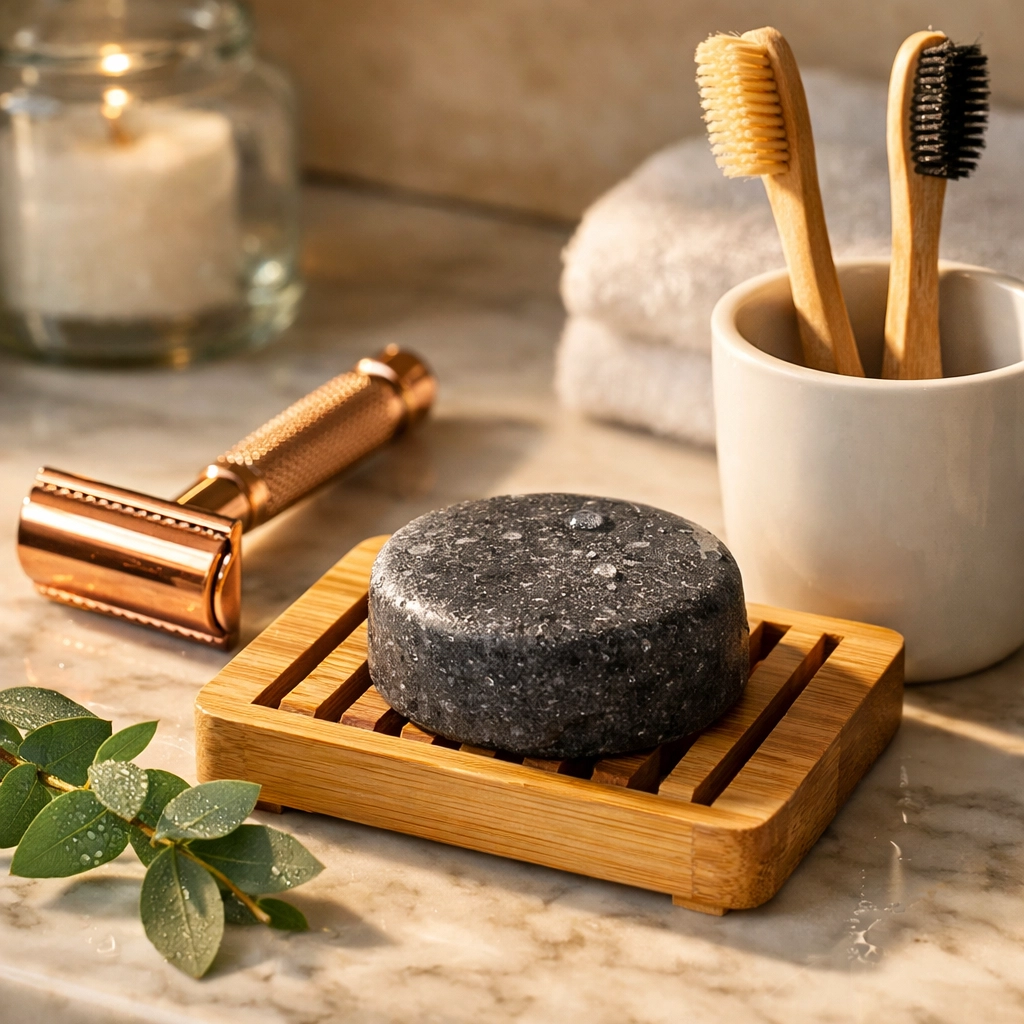
- From Disposable Razors to Safety Razors: A single safety razor handle lasts a lifetime; only the stainless steel blades are replaced and can be collected for scrap metal recycling.
- From Bottled Shampoo to pH-Balanced Bars: Modern 2026 formulations have moved beyond the "waxy" feel of early bars, using sodium cocoyl isethionate (SCI) for a salon-grade finish without the plastic.
- From Plastic Toothbrushes to Bamboo (with Compostable Bristles): Most bamboo brushes still use nylon bristles; in 2026, look for castor oil-based bristles that are bio-based.
- From Toothpaste Tubes to Tablets: Toothpaste tubes are a mix of plastic and aluminum, making them nearly impossible to recycle. Tablets eliminate this multi-layer packaging.
- From Plastic Loofahs to Konjac Sponges: Konjac is a root vegetable; the sponge is 100% compostable in a backyard bin.
- From Disposable Menstrual Products to Menstrual Cups or Discs: A single medical-grade silicone cup replaces roughly 2,400 tampons over its 10-year lifespan.
- From Toilet Paper to Bidet Attachments: Reduces paper consumption by 80%, significantly lowering the water footprint (it takes 37 gallons of water to make one roll of TP).
- From Standard TP to Bamboo or Recycled TP: If you must use paper, bamboo grows 30x faster than trees and requires fewer pesticides.
- From Synthetic Make-up Remover Wipes to Microfiber Rounds: Microfiber (or bamboo cotton) rounds used with plain water or oil can be washed hundreds of times.
- From Plastic Cotton Swabs to Paper or Bamboo Stems: Simple, biodegradable, and prevents plastic stems from entering the ocean via sewage systems.
Part 3: Cleaning and Maintenance (Swaps 26-35)
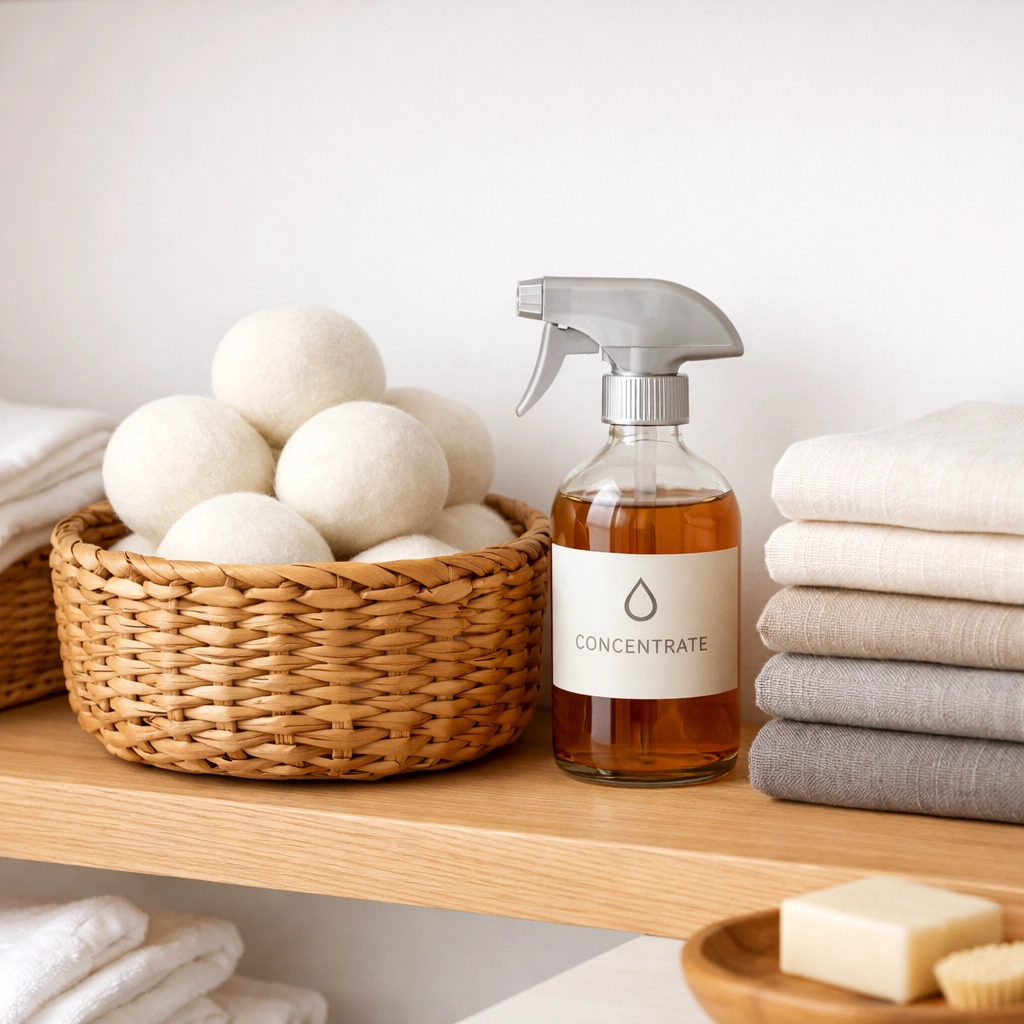
- From Multi-Surface Sprays to Glass Bottle Concentrates: Purchase the active ingredient in a small glass vial and add your own tap water.
- From Synthetic Microfiber Cloths to 100% Cotton or Hemp: Prevents the shedding of synthetic fibers during the cleaning process.
- From Liquid Laundry Detergent to Laundry Strips: Concentrated, lightweight strips eliminate the bulky plastic "jug" and reduce shipping-related carbon emissions.
- From Fabric Softener to Wool Dryer Balls: Wool balls reduce drying time by 25% and naturally soften clothes without the use of tallow-based chemicals.
- From Plastic Laundry Baskets to Wicker or Canvas: Natural materials are more durable and don't crack under UV light or heavy loads.
- From Chemical Drain Cleaners to Enzyme Cleaners: Biological enzymes break down organic matter without corroding pipes or poisoning groundwater.
- From Conventional Air Fresheners to Essential Oil Diffusers: Eliminates aerosol cans and phthalates found in synthetic fragrances.
- From Plastic Toilet Brushes to Wood and Castor Fiber Brushes: Fully biodegradable handles and bristles that can be composted at end-of-life.
- From New Rags to "Upcycled" Textiles: Old T-shirts and towels are more absorbent and free than store-bought "cleaning rags."
- From Microplastic Shedding to Guppyfriend Bags: When washing synthetic clothes (polyester/nylon), these bags catch microfibers before they exit the machine.
Part 4: The Tech-Forward Office & Living Room (Swaps 36-45)
- From Alkaline Batteries to Rechargeable Lithium-Ion: A single rechargeable battery can replace 1,000 disposables.
- From Physical Notebooks to E-Ink Tablets: For heavy note-takers, E-Ink (like the Remarkable 3) offers a paper-like experience while saving thousands of sheets.
- From Plastic Pens to Refillable Fountain or Metal Pens: High-quality metal pens with ink refills prevent the 1.6 billion pens thrown away annually.
- From New Electronics to Certified Refurbished: Purchasing tech that has already been manufactured reduces the demand for rare earth mineral mining.
- From Standard Power Strips to Smart Strips: These automatically cut "vampire" power to peripherals when the main device (like a PC) is off.
- From Tape (Plastic) to Paper Gummed Tape: Paper tape uses a starch-based adhesive and can be recycled along with the cardboard box.
- From Padded Plastic Mailers to Corrugated Cardboard Envelopes: 100% recyclable and offers similar protection for non-fragile items.
- From Physical Subscriptions to Digital: Magazine and newspaper waste is easily mitigated by switching to digital-only formats.
- From Fast Furniture to Modular/Second-hand Pieces: Look for furniture with "Right to Repair" certification or modular components that can be replaced individually.
- From Incandescent/CFL to LED (2026 High-Efficiency): Modern LEDs now last 50,000+ hours, drastically reducing bulb waste and energy load.
Part 5: Lifestyle, Apparel, and Beyond (Swaps 46-50)
- From Fast Fashion to the "5-Year Rule": Only purchase clothing you commit to wearing for at least five years. Focus on mono-materials (100% cotton, 100% wool) for easier recycling.
- From Plastic Phone Cases to Compostable Flax-based Cases: Brands like Pela use flax shive and biopolymers that break down in a home compost bin.
- From Disposable To-Go Containers to "Bring Your Own" (BYO): In 2026, many cities have "Right to Refill" laws allowing customers to use their own clean containers at delis.
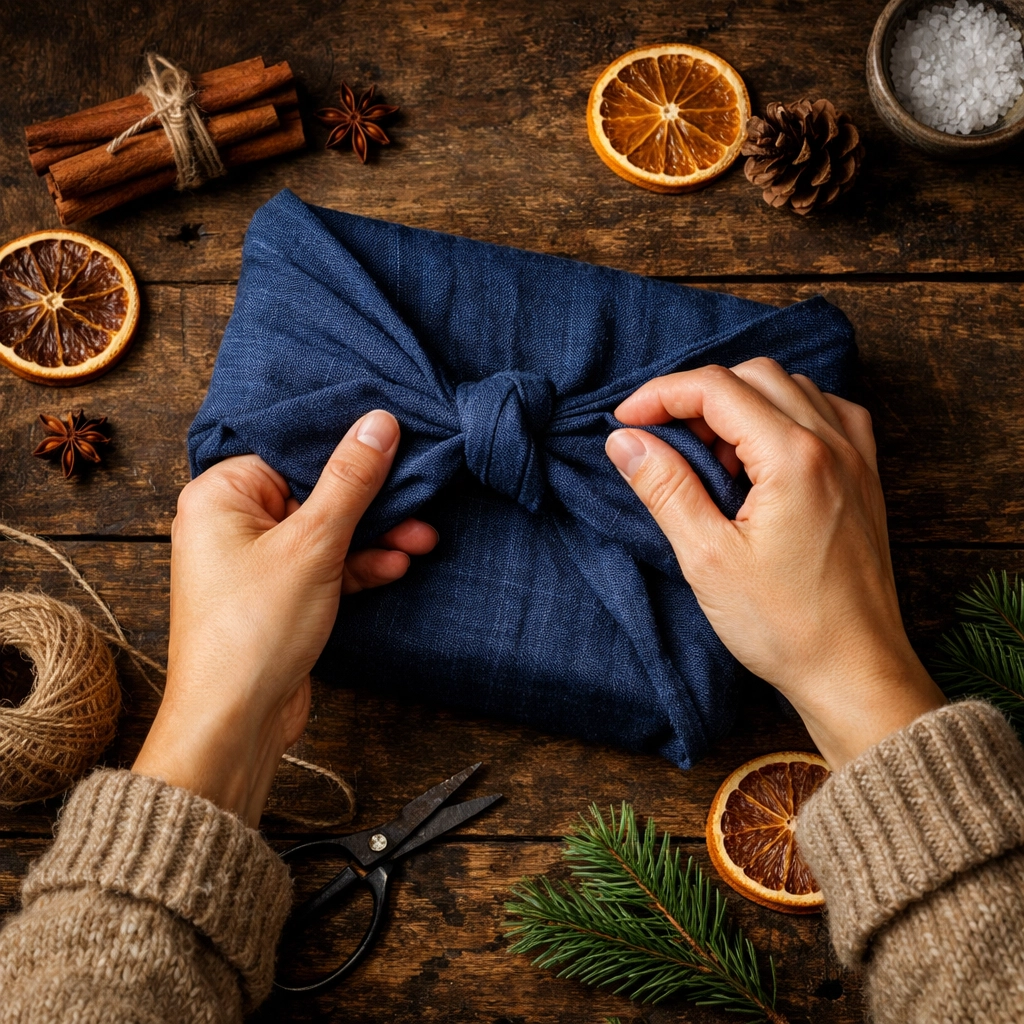
- From Plastic Gift Wrap to Furoshiki (Fabric Wrapping): Japanese fabric wrapping is beautiful, reusable, and eliminates the tons of non-recyclable metallic wrapping paper used during holidays.
- From New Books to the Public Library or "Little Free Libraries": The ultimate circular economy for knowledge.
The Economics of Zero-Waste: Financial ROI
Transitioning to zero-waste is often perceived as expensive due to the higher upfront cost of durable goods. However, a 2026 financial analysis of a 4-person household shows significant savings over a 24-month period:
| Category | Annual Savings (Avg) | ROI Period |
|---|---|---|
| Kitchen Swaps (Paper towels, wraps, pods) | $340 | 6 Months |
| Cleaning (Concentrates vs. Bottles) | $210 | 4 Months |
| Personal Care (Razors, Cups, Bars) | $450 | 12 Months |
| Total Estimated Annual Savings | $1,000+ | N/A |
Implementation: The "One-In, One-Out" Protocol
The most technical and sustainable way to implement these 50 swaps is the Depletion Method. Do not throw away a functional plastic item to replace it with a "green" alternative. This creates immediate waste. Instead, wait until the current item is exhausted (e.g., your last roll of paper towels or last bottle of shampoo) and then make the swap to the zero-waste alternative.
By 2030, the goal of "Zero-Waste" will likely be integrated into the building codes of our homes through greywater recycling and built-in composting units. Until then, these 50 swaps represent the most effective individual leverage points for reducing your environmental footprint.
About the Author: Malibongwe Gcwabaza
Malibongwe Gcwabaza is the CEO of blog and youtube, a digital media firm dedicated to simplifying complex sustainability and technology trends. With a background in organizational leadership and a passion for circular economy logistics, Malibongwe focuses on making high-level environmental data accessible to the everyday consumer. Under his leadership, the company has helped over 1 million readers reduce their carbon footprint through actionable, data-driven guides. When not overseeing operations, he is an advocate for regenerative agriculture and sustainable urban development in Johannesburg.
About the Author


